
(中文翻译在英文正文之后)
September 2025
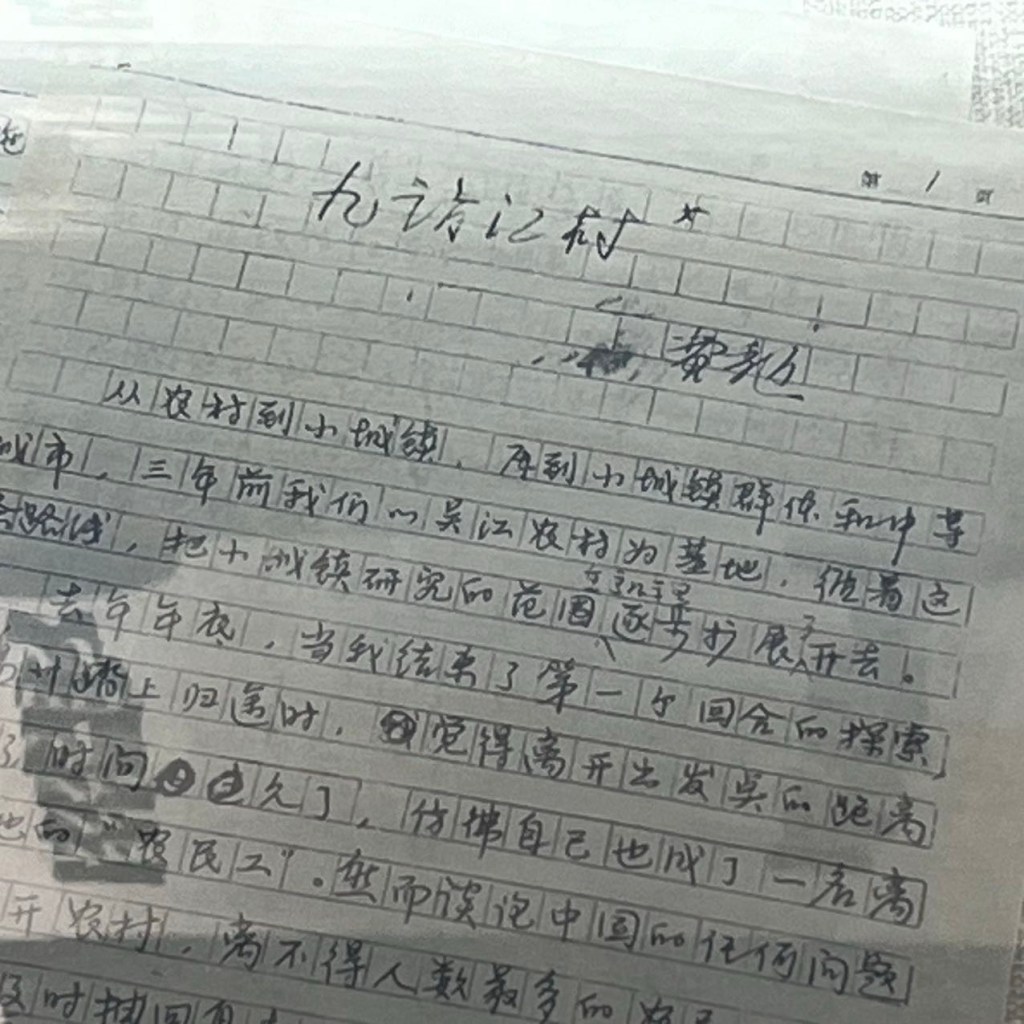
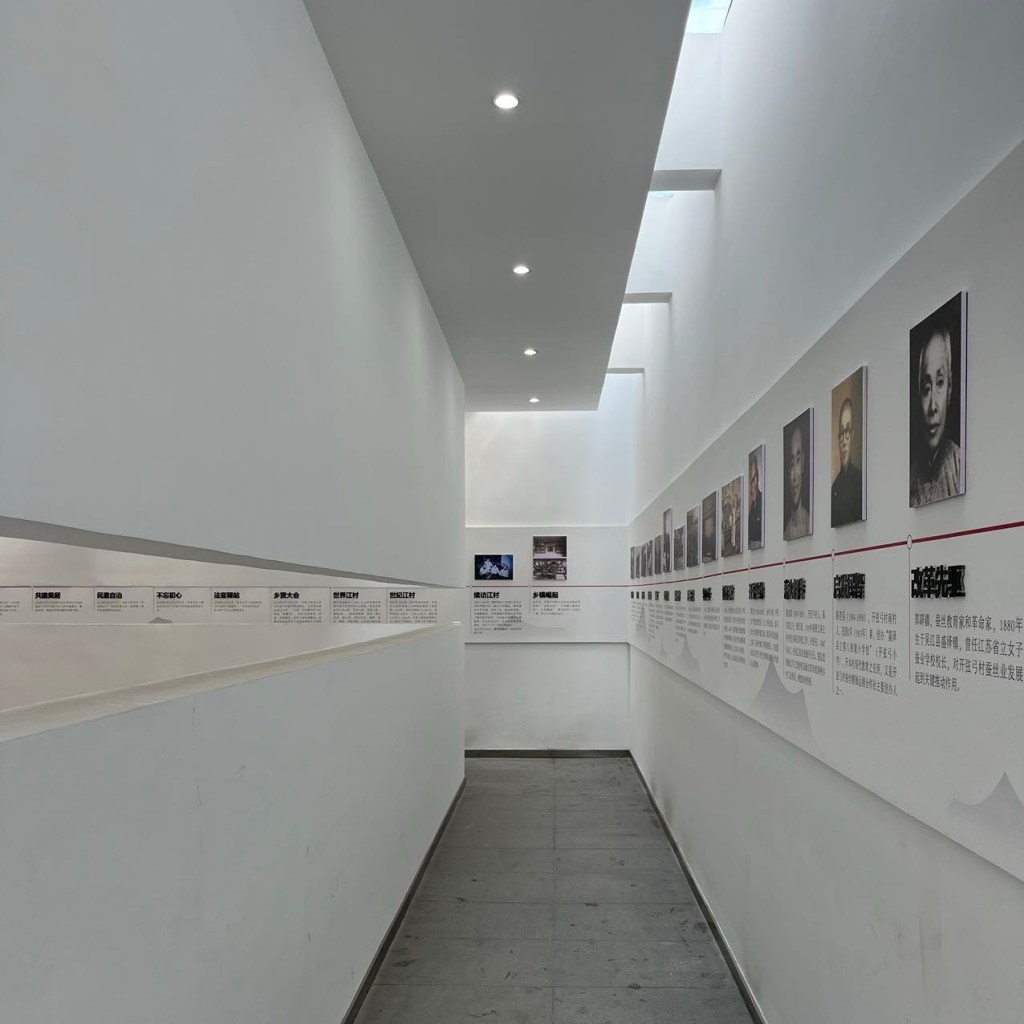
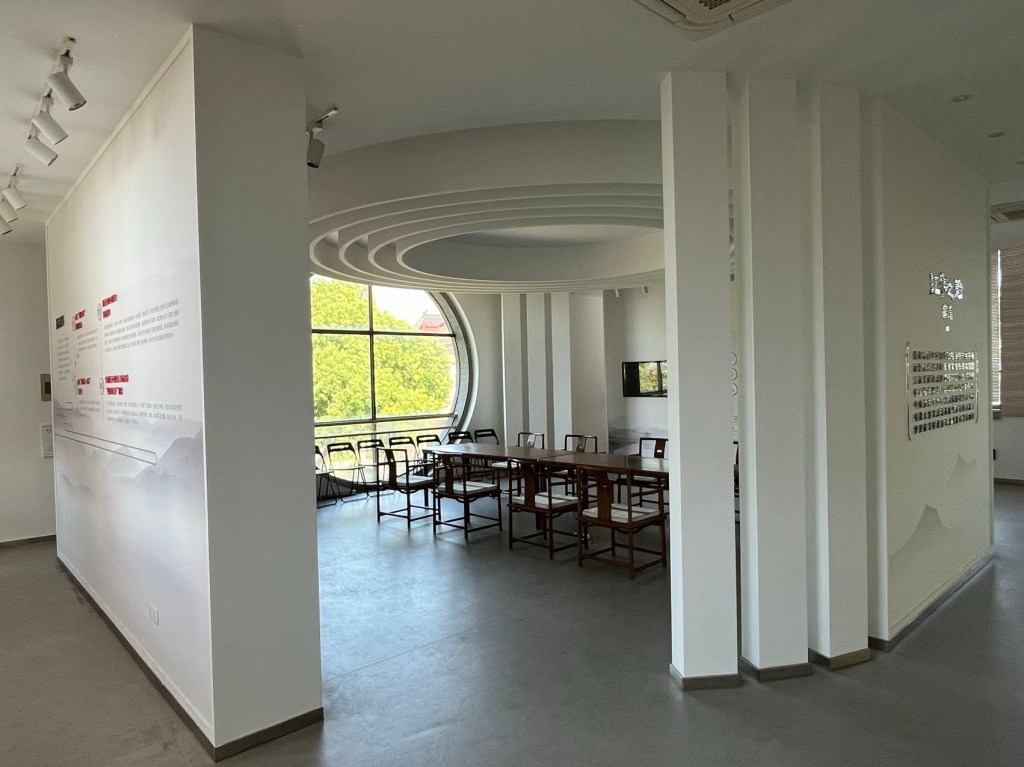
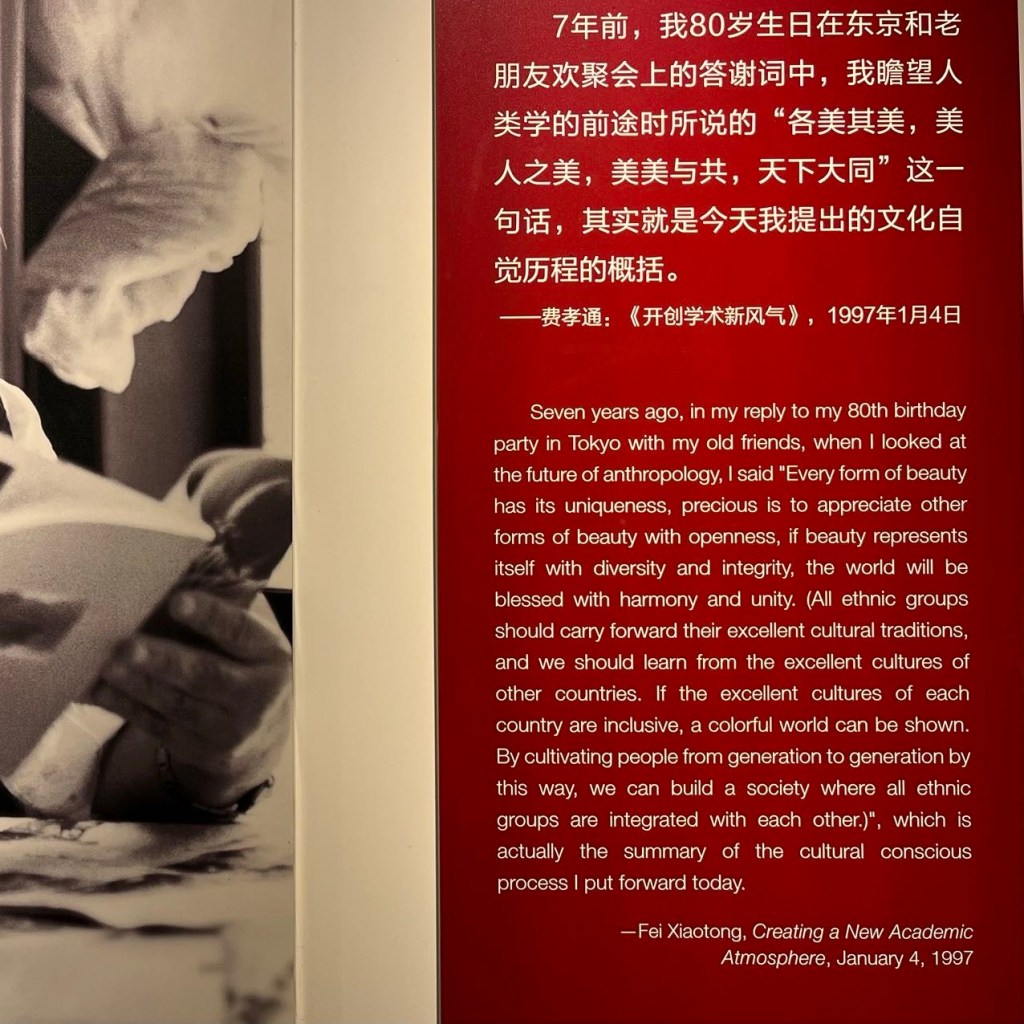
Sociologist, ethnographer, and anthropologist Fei Xiaotong (1910-2005) is regarded in China as one of the founders of his field, especially when it comes to rural studies. Last week, after eight years, I revisited the museum about his life and work, in his native village. I had visited the museum before, in 2016. At that time, I was there with my students and colleagues during a Summer School that took place in a nearby village, where we brainstormed with local people about the future of the countryside.
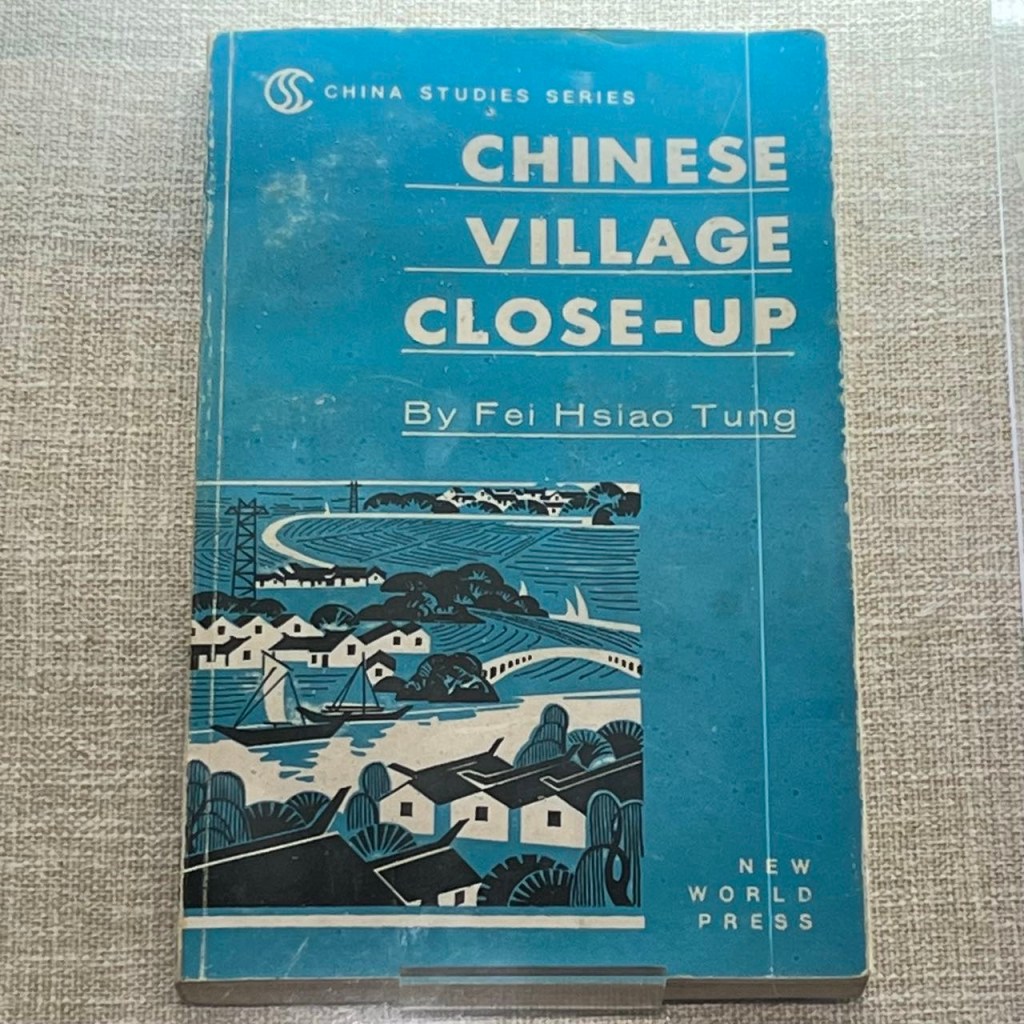
Central to Fei’s work is his believe that immersing oneself in the environment and engaging with local communities provides deeper insights. Of course, walking together is ideally suited for this. This allows the researcher to gather authentic stories and understand complexity. It bridges the gap between theory and reality. Fei’s studies focus on the dynamics of rural society, on tradition versus modernization. In his book From the Soil (1948), he emphasized the importance of understanding local cultures and social structures, especially for policy making.
Accordingly, not only researchers but also planners and policy makers should go walking with residents of rural areas. At the same time, this will promote the involvement of local communities in revitalization processes. Only then these projects can be more effectively tailored to local needs. This will contribute to successful results. As Fei argues, the unique characteristics of rural communities and their environment need to be respected. Fei underlines that access to education is crucial in this respect. This equips individuals with new skills and economic independence.
Fei Xiaotong’s legacy is omnipresent in the discourse of rural revitalization in China. In contrast to earlier urban new town practices, which often neglected existing qualities, and were enormous in scale and speed of implementation, recent rural renewal practices are almost the opposite: slow, small-scale and – with exemptions – tailor-made. Above all, cultural sensitivity and community involvement appear to be crucial for truly sustainable development, in a context of increasing complexity. Lessons from this are important far beyond China and deserve worldwide research and emulation. Therefore, in the coming period I will continue to do research by walking, partly in the footsteps of Fei Xiaotong.
2025年9月
社会学家、人类学家和人种学家费孝通(1910-2005 年)是中国在其领域最杰出的创始人之一,尤其在乡村研究。上周我再次参观了有关他的生活和工作的博物馆。我之前在2016年去拜访过,那已经是8年前的事。那时我和我的学生及同事在那里开展暑期夏令营活动,并与当地人就乡村的未来进行了头脑风暴。
费先生的思想中心是他深信让自己深入环境中并与当地社区互动可以提供更深入的见解。当然徒步研究最合适。这种体验式方法使研究人员能够收集真实的故事并理解复杂性。它弥合了理论与现实之间的鸿沟。他的开创性研究侧重于农村社会的动态,传统与现代化。在他的著作《乡土中国》(1948年)中,他强调了了解当地文化和社会结构的重要性,尤其是对于政策制定的重要性。
因此,不仅研究人员而且规划者和政策制定者都应该与农村地区的居民互动。同时,这将促进当地社区参与振兴进程。只有这样,项目才能更有效地根据当地需求进行定制。这将有助于获取结果的成功。正如费先生所说,农村社区及其环境的独特特征需要得到尊重。他还强调,获得尊重的关键是接受教育。教育使个人具备新技能和经济独立。
费孝通的遗产在当前中国的乡村复兴浪潮中无处不在。与早期的城市新城实践相比 ——忽视了现有品质,并实施大规模和快速度;当前的农村更新实践往往相反——缓慢、小规模,而且,在我访问的大多数情况下,是量身定制的。最重要的是,在日益复杂的背景下,文化敏感性和社区参与似乎对于真正的可持续发展至关重要。从中得到的教训不仅在中国,值得全世界研究和效仿。所以,在接下来的一段时间里,我将继续边走边做研究,也会追随费孝通先生的脚步。
 乡村足迹 Rural Footprints