(中文翻译在英文正文之后)
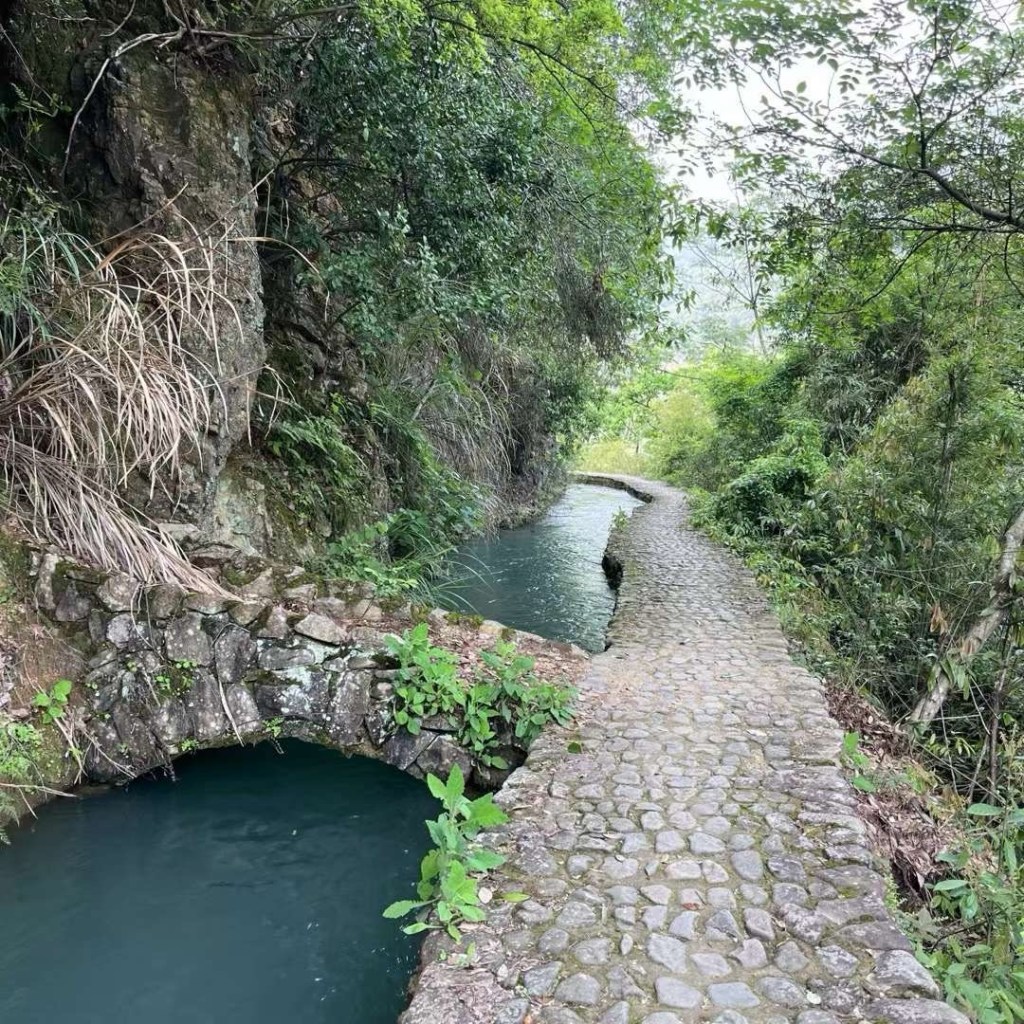
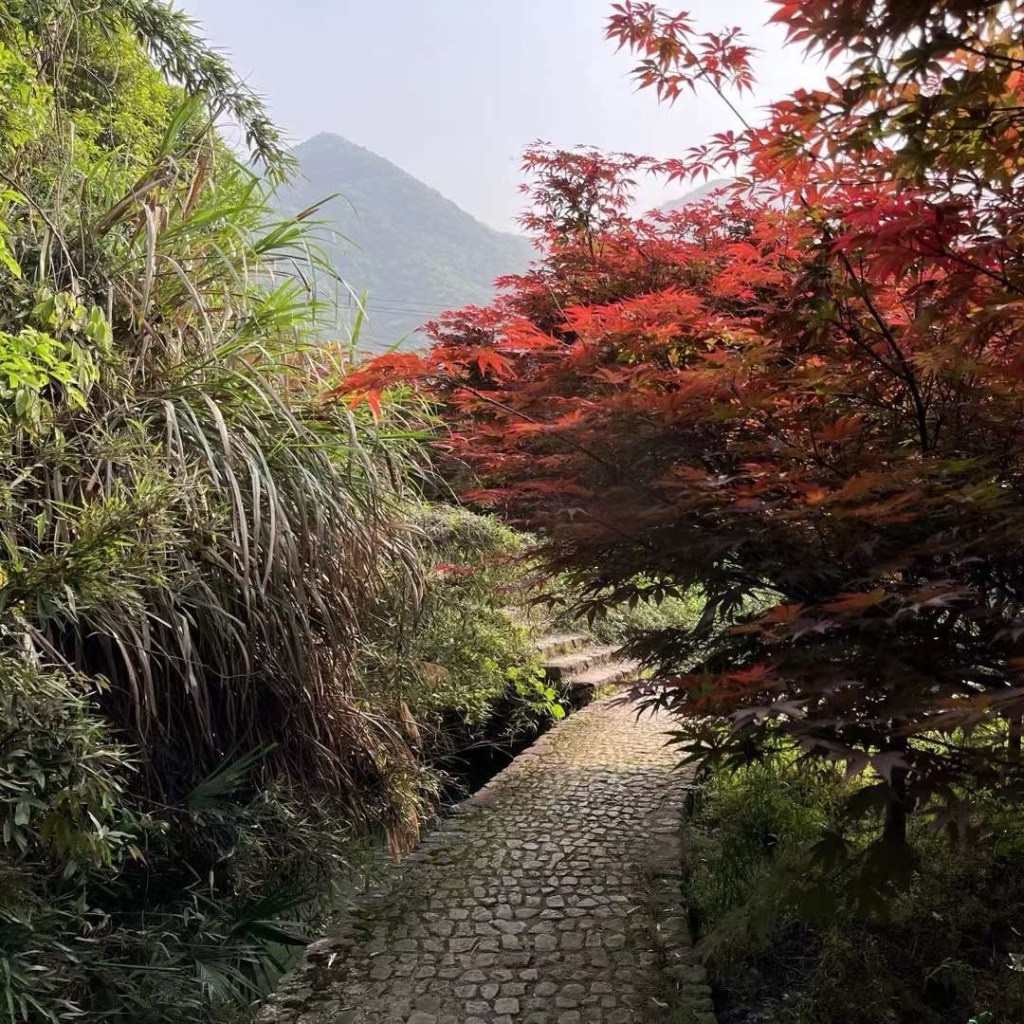
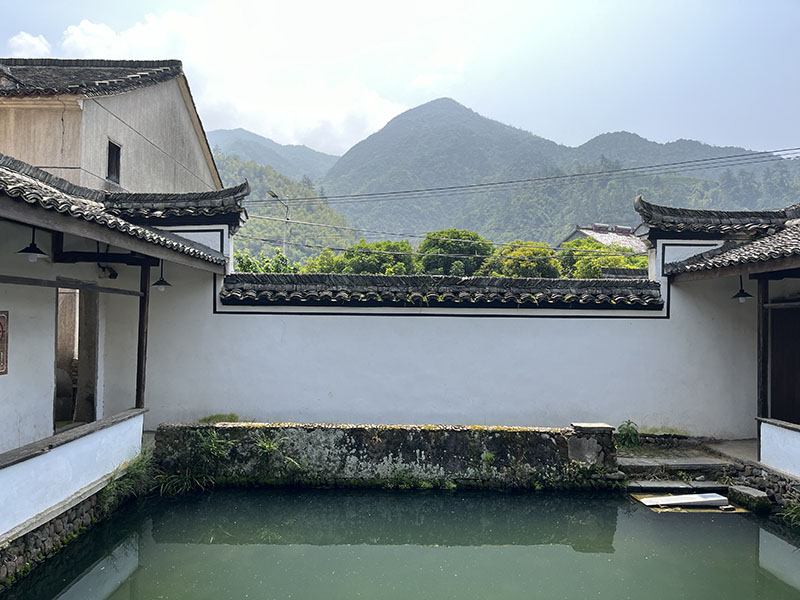
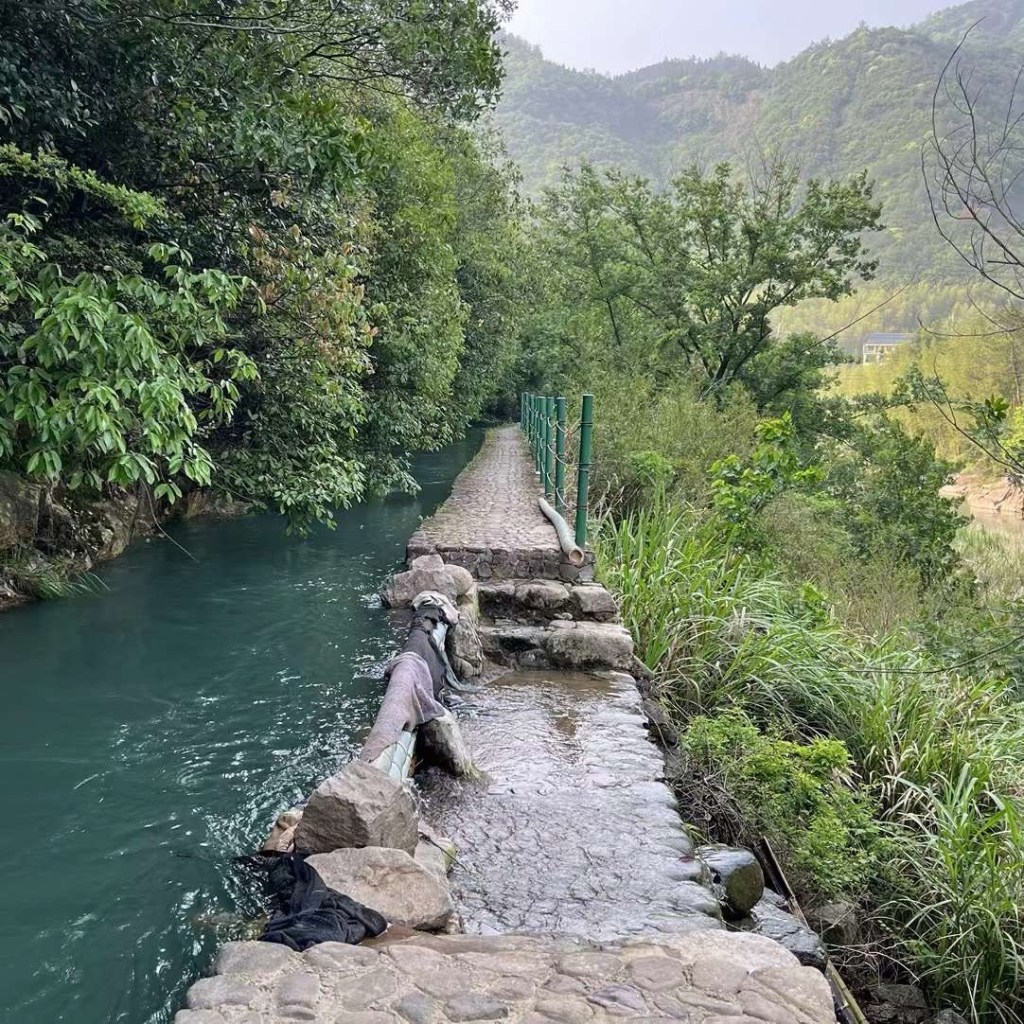
We are walking in a paradise-like environment in the border area with Pujiang County, two hours’ travel past the southern edge of the metropolis of Hangzhou. It is very hot, but in the shade of the bamboo-covered slopes it is bearable. Our walking route dates from the Tang dynasty and follows a cooling stream. It has its source on a nearby mountain top of over seven hundred meters high. Our path connects to routes that I have walked before. Today follows the last part, still about 25 kilometers to the mouth into the Qiantang River.
A sign along the path tells us that in this “slow-paced dreamland” we can forget the city and refresh our minds with nature. That turns out to be true. The area brands itself as a “slow-paced rural live discovery area” and “a place of picturesque landscapes and fine arts”.
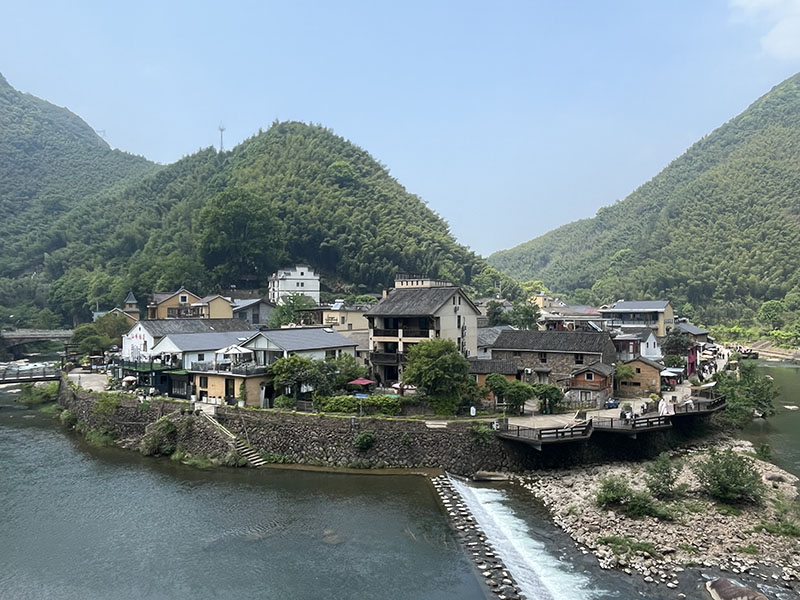
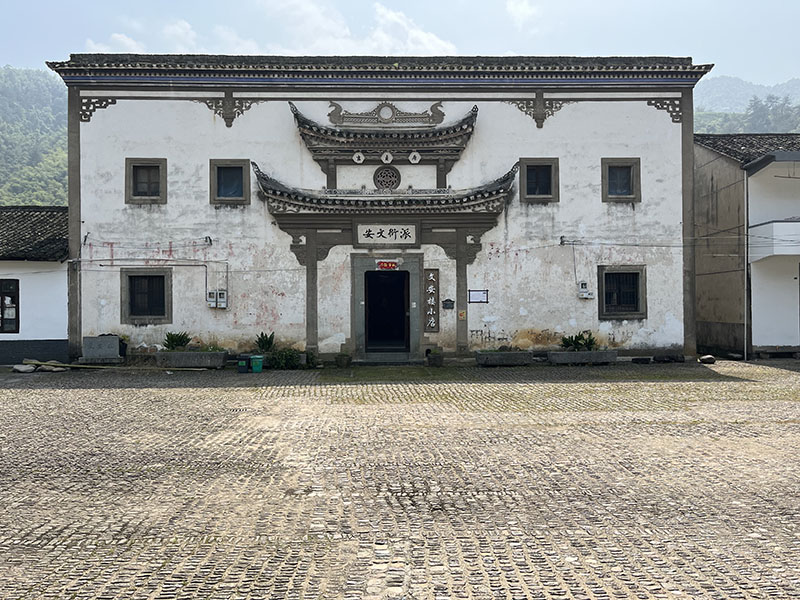
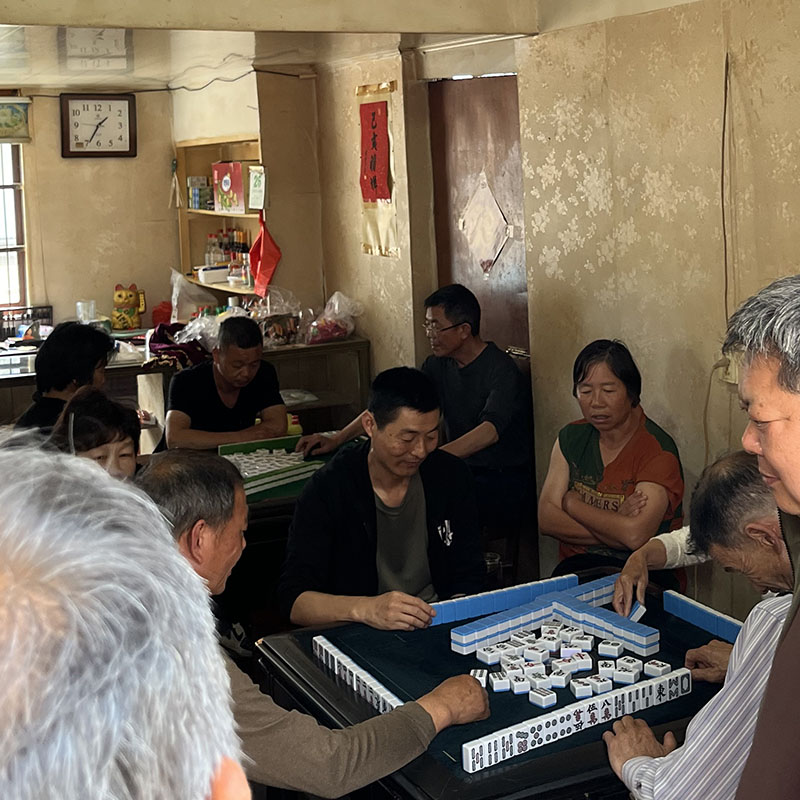
My walking companion was born and raised in a mountain village but has been working as a wine merchant in the center of Shanghai for a decade. From her childhood she remembers that much of what we encounter along the way on and under the trees is edible. We chew on pea pods and tea leaves. We buy mulberries and other fruits to snack on from a local farmer. In the hamlets and villages that we encounter along the way we see the effects of this recently rediscovered cultural route. The local government promotes this route with as aim to revitalize the area with low-impact measures. It helps small entrepreneurs and protects the vulnerable landscape. Apart from a dozen B&Bs we see multiple small-scale activities ranging from selling agricultural products to passers-by to workshops and yet another bookstore.
The path is part of a many hundreds of kilometers long network of ancient trade and postal routes. These were in the past also used for inspiration by poets, painters, sculptors and philosophers. The water in the stream next to our path looks clean and drinkable. We see farmers irrigating their fields. Villagers use the water in their kitchens and to wash themselves. Waste flows are (as far as visible) well separated so that the water does not become polluted.
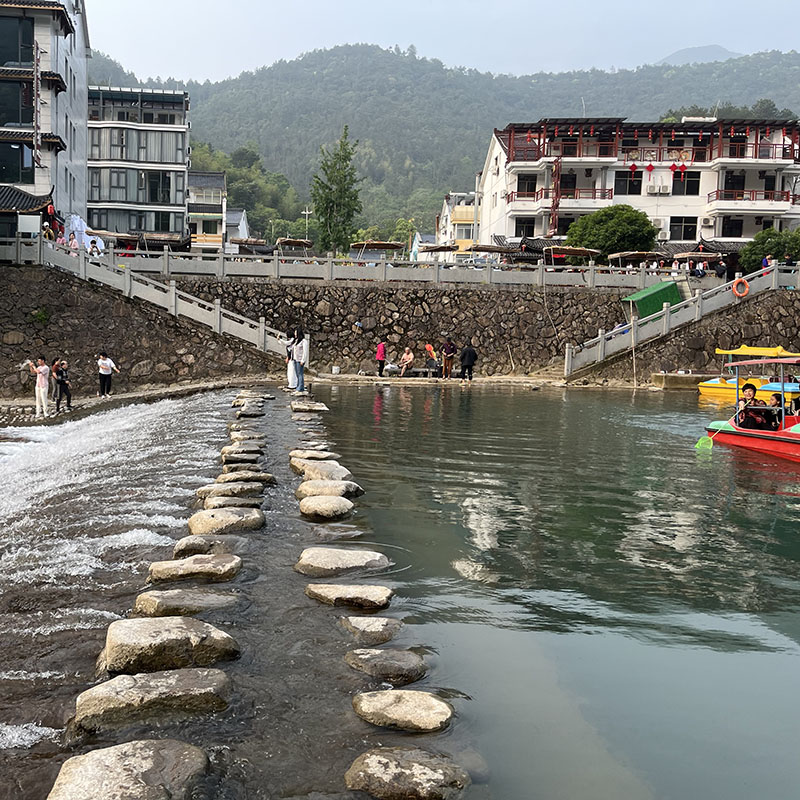
The water stream takes on different forms, widens and flows faster as we walk further. The wider the water becomes, the more other walkers we encounter. Near the mouth there even appears to be a cluster of new restaurants where you can eat river fish. Here the fast-paced life gradually presents itself again.
我们正在浦江县周边幻如天堂般的美景中徒步,从杭州市南边出发,需要两个小时的车程到达这里。天气异常炎热,但这里满山竹林覆盖的树荫下,感觉尚可。我们徒步的古道可以追溯到唐朝,沿着一条清凉的小溪而行。小溪的源头位于附近一座七百多米高的山顶。这次的路线与我以前走过的路线相连。今天走这一段的最后部分,大约25 公里。
一个路标提示我们进入了一个“慢节奏的梦幻之地”,我们在此可以忘记城市,用大自然来放松我们的心灵。事实证明的确如此。该地区自称是一个“慢节奏的乡村生活探索区,一个风景如画、艺术气息浓厚的地方”。
我的徒步同伴出生并成长于山村,但在上海从事葡萄酒销售工作已有十年。她从小就记得,哪些树上和树下的东西可以食用。我们嚼豌豆荚和茶叶,从当地农民那里买桑葚和其他水果作为零食。在沿途遇到的小农庄和村庄里,我们看到了这条新建文化路线的影响。当地政府推广这条路线的目的是通过微干预振兴该地区,例如在保护脆弱景观的同时帮助小企业家。除了十几家民宿外,我们还看到多个小型家庭作坊,从向路人出售农产品到工作坊和艺术工作室等。
这条小路是数百公里长的古代贸易和邮政路线网络的一部分。古代诗人、画家、雕塑家和哲学家也从这些路线中汲取灵感。路旁的溪水看起来很清澈,可以饮用。我们看到农民在灌溉田地。村民们用水做饭和洗澡。废水区(就可见范围而言)被很好地隔开,这样水就不会受到污染。
我们走得越远,溪流的形状就越不同,越宽,流速也越快。溪流越宽,我们遇到的行人就越多。在河口附近甚至出现了一群新餐馆,你可以吃到鲜鱼。在这里,快节奏的生活逐渐再次呈现。
 乡村足迹 Rural Footprints