(中文翻译在英文正文之后)
During China’s hot summer – it has been between 35 and 40 degrees Celsius for weeks – I walk alternative routes with colleagues in my home country.
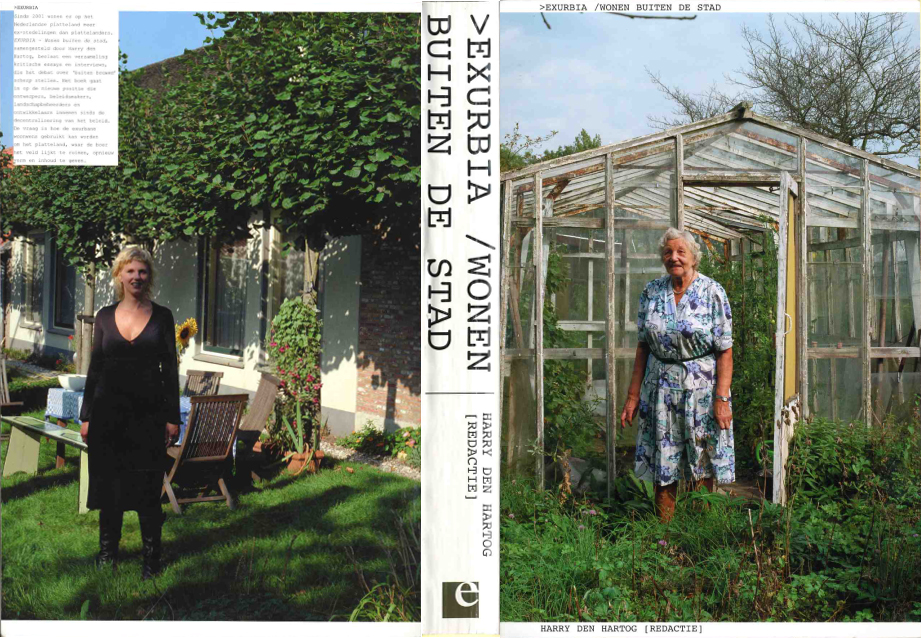
Twenty years ago, I explained in my book Exurbia – living outside the city how the fast-changing Dutch countryside is increasingly affected by urban influences. City dwellers who can afford it buy old farmhouses and convert them into luxury retreats. They even build new homes on rural estates through special policies. Since 2001 the number of former city dwellers on this Dutch countryside exceeds the number of original rural residents. In the book is described how (many of the) newcomers push through their (ex)urban lifestyle, and cause tensions. At the same time there are also opportunities.
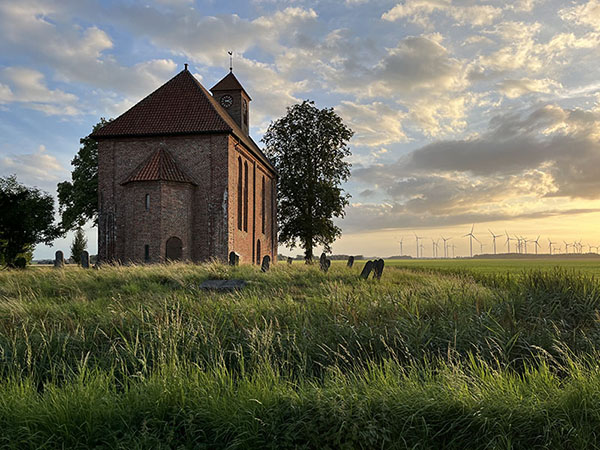
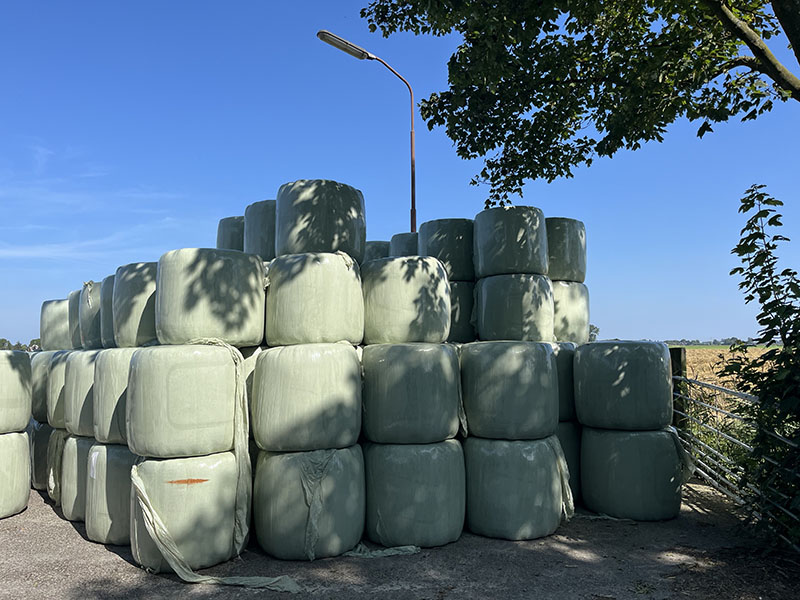
Today, while the renowned agricultural sector of the Netherlands is under threat from all sides, the political landscape is changing dramatically. Due to multiple complex problems, the countryside is continuously under fire, partly fed by socio-cultural and economic gaps between urban and rural. Currently huge data centers, distribution parks and wind farms are polluting the rural landscape, while bringing profits to surrounding cities instead of opportunities to villagers. The countryside increasingly resembles a dumping ground for elements that are not welcome in the city.
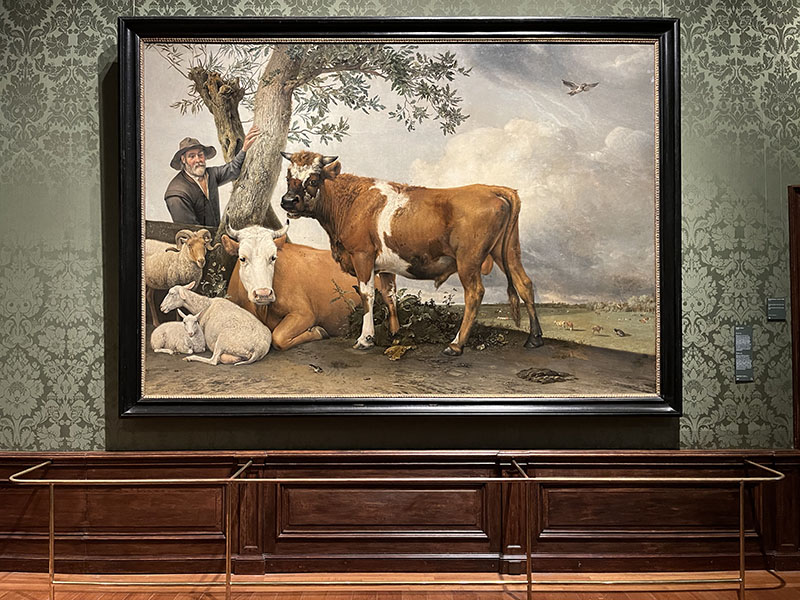
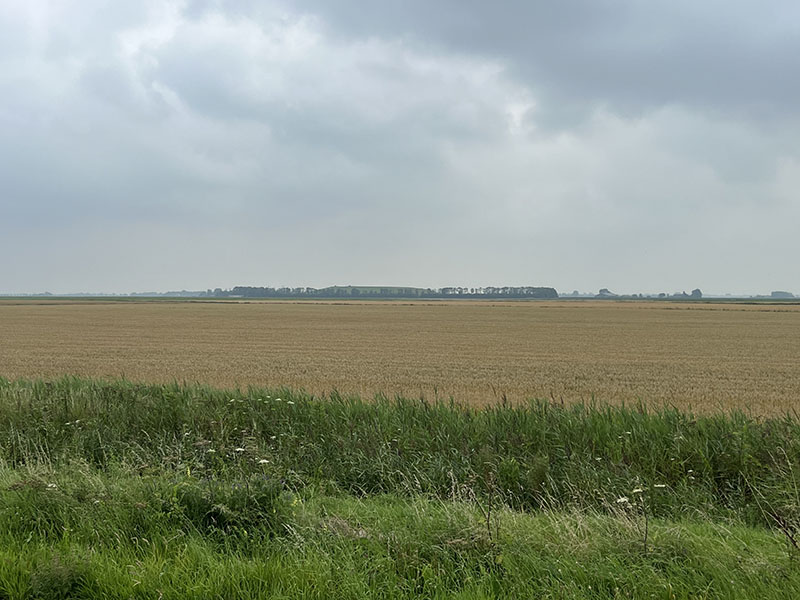
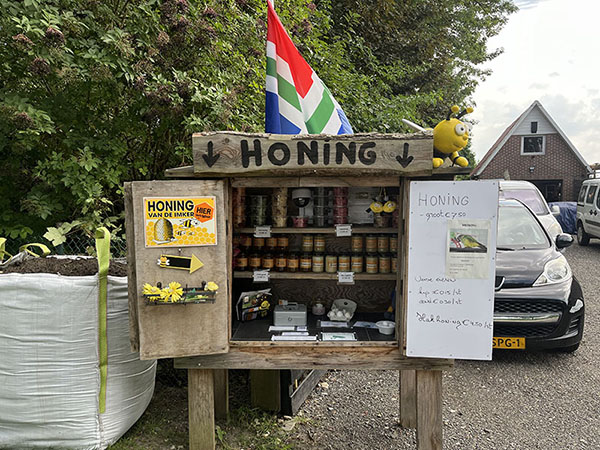
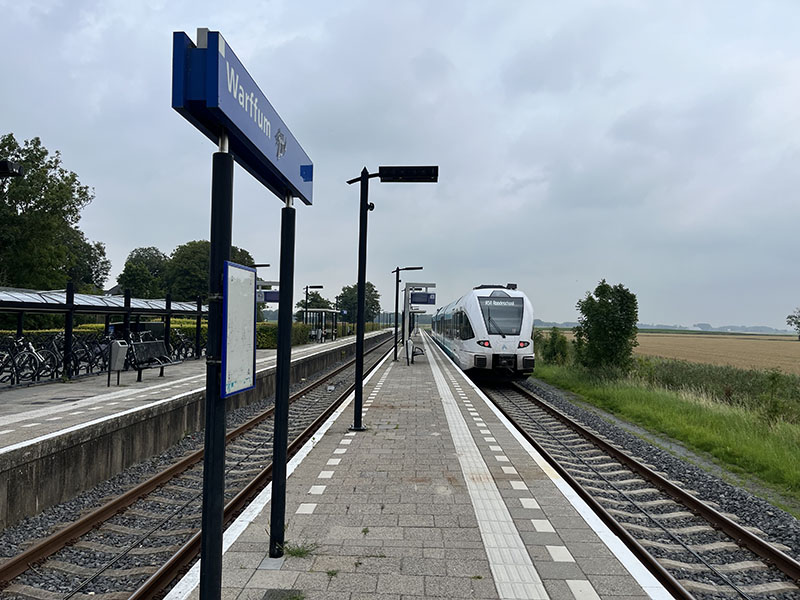
Although it seems that many in the countryside are dissatisfied, I feel the Dutch countryside is still exceptionally beautiful. The quality of life is good. Nevertheless, the changes are big compared to my youth here: I see more and more large-scale infrastructure, less and less shops and public facilities, and aging villagers. In contrast to my walking region in China, I hardly see any young people here, no bookstores and no coffee houses. Yet, I do see unique natural qualities, blue cloudy skies, and vast emptiness. World-famous painters and poets were inspired here. But the sets are changing. How to preserve these qualities of the open polder landscape?
在中国炎热的夏季——连续几周气温都在 35 到 40 摄氏度之间——作为代替我有幸和同事在荷兰徒步。
二十年前,我的著作《远郊——居住在城市之外》一书中解释了快速变化的荷兰乡村是如何越来越受到城市影响。城市富有居民购买旧牧场并将其改造成豪华度假胜地。他们甚至通过特殊政策建造了农村地产。自2001年以来,荷兰乡村的城市居民人数超过了农村原居民人数。书中描述了(许多)新居民如何在农村推动(前)城市生活方式,在创造机会的同时也导致紧张局势。
如今,荷兰享有盛誉的农业部门受到来自各方的威胁,政治格局正在发生巨大变化,城乡之间的社会文化和经济差距是其中部分原因。由于多重复杂问题,农村持续遭受冲击。目前,巨大的数据中心、配送园区、风电场正在污染农村,虽然周边城市多有获利,而当地农民却少有机遇。乡村越来越像城市堆积其废弃物的垃圾场。
与乡村里很多人抱怨有所不同,我觉得荷兰的乡村仍然格外美丽。生活质量仍然很高!虽然与我小时候相比,变化还是很大的:基础设施越来越大规模化,商店和公共设施却逐渐减少,并且老化。与我在中国途步的地区相比,这里几乎看不到年轻人,没有书店,也没有咖啡馆。但是我发现的是其独特的自然品质、蓝色清澈的天空和广阔的边界。世界著名的画家和诗人都在这里萌发创意。但是场景逐渐在发生变化。我在思考未来该如何保护开阔的圩田品质?
 乡村足迹 Rural Footprints