(中文翻译在英文正文之后)
February 2025
Due to unprecedented urbanization, the socio-economic difference between urban and rural areas has increased significantly in China in recent decades. But unlike cities in the Global North, Chinese cities still have a strong direct link between urban and surrounding rural areas and related lifestyles. Even though this is changing rapidly. Every day, large quantities of fresh agricultural products are brought from the countryside into the city via carts and wagons and traded at fresh markets or informally on street corners.
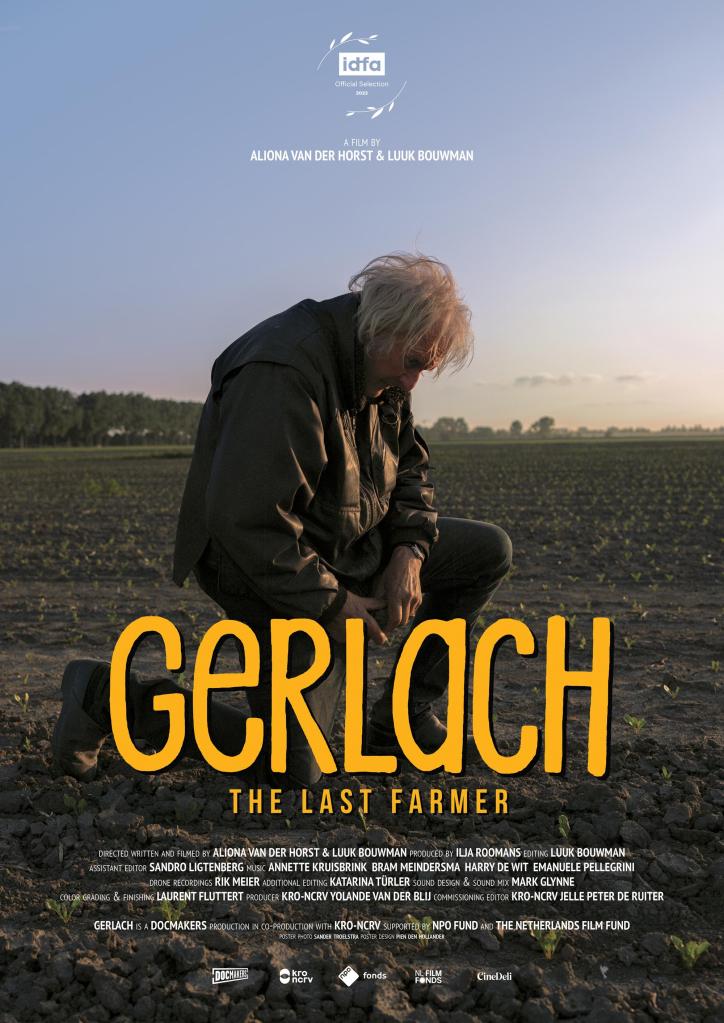
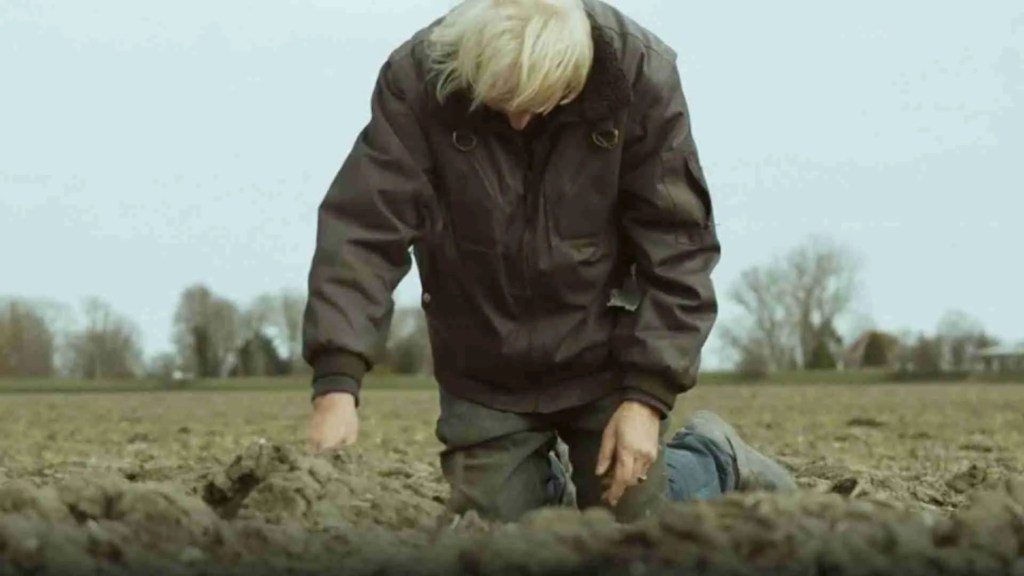
This is in great contrast to a city such as Amsterdam in the Netherlands. The moving documentary Gerlach – the last farmer illustrates this painfully. Gerlach can be seen this week during the Shanghai International Film Festival (SIFF). Last year, this Dutch documentary was awarded as Best Dutch Documentary at the leading IDFA in Amsterdam.
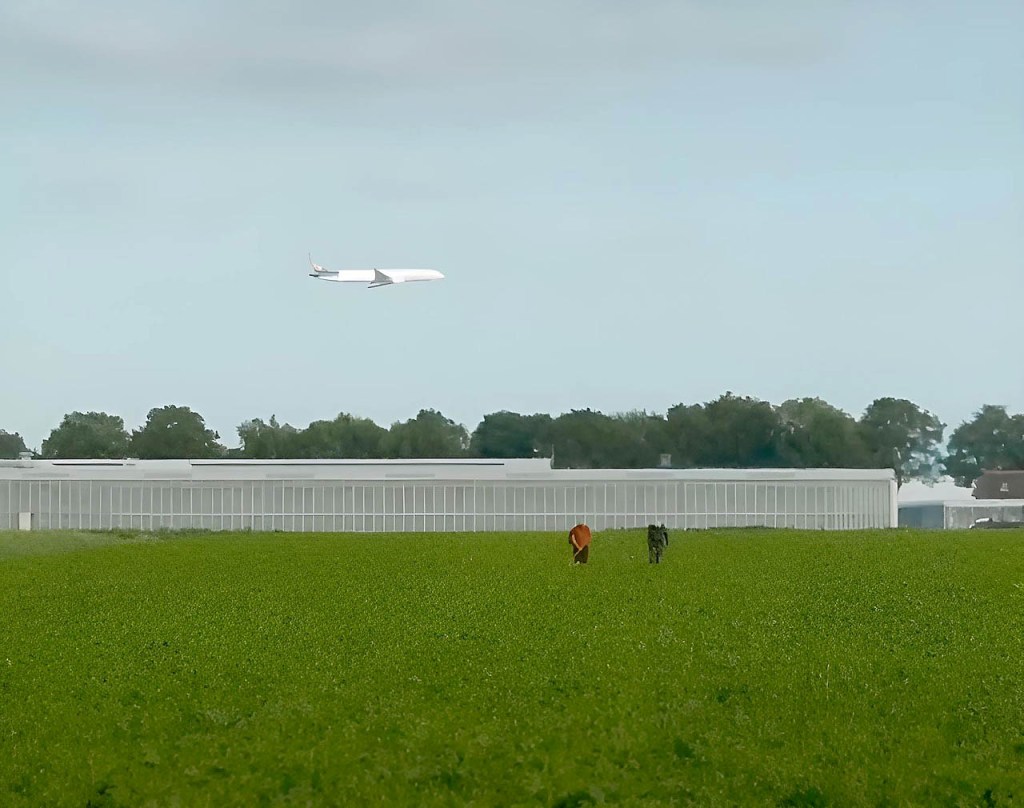
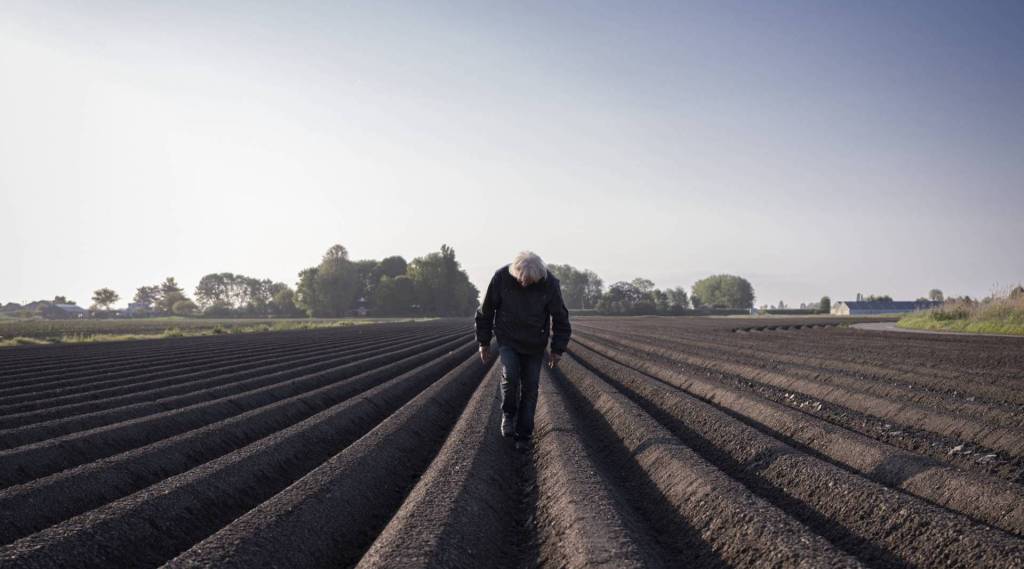
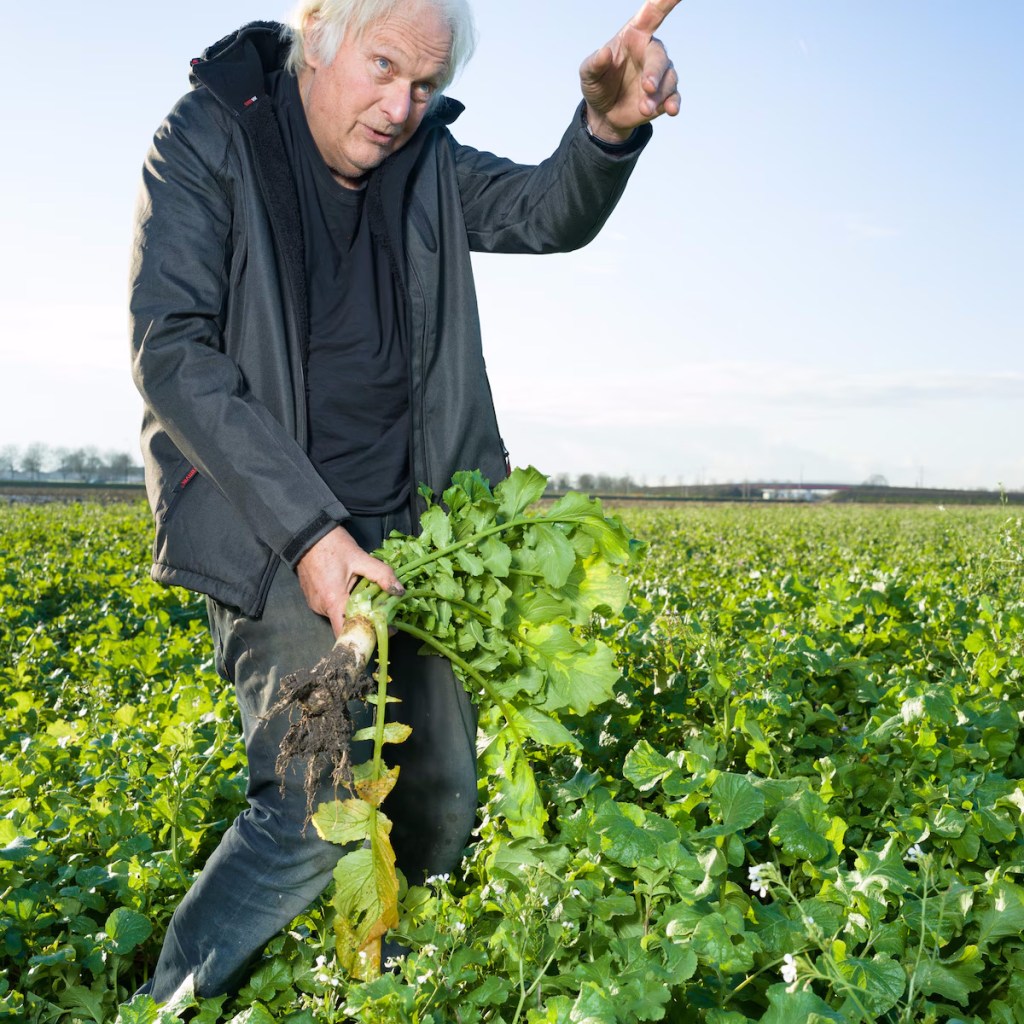
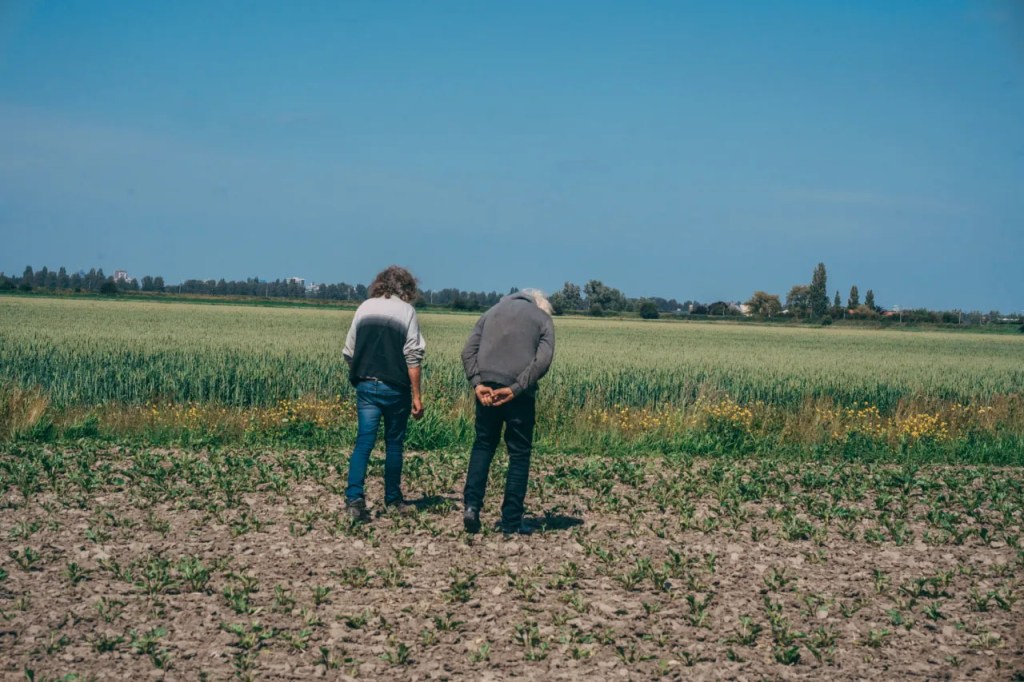
Gerlach is mainly about land hunger due to unlimited urbanization, the power of big money, the cluttering of the landscape, but also about the disappearance of traditional farming methods, environmental challenges and climate change. During the film, the main character is seduced or almost forced with money and procedures to give up his land for the construction of commercial buildings near the airport. But Gerlach resists all temptations and chooses to continue his traditional way of farming. He grows and sells potatoes, beets and strawberries on his potato paradise in the shadow of the expanding airport.
The documentary, which spans several years, shows how Gerlach’s farm is surrounded by highways, fast food chains and distribution centers. This pressure by forces of late capitalism is depicted in an unprecedented way by the documentary makers. For Gerlach, the rural outdoor space, where he literally stands with his feet in the clay, is his personal wealth and life. No one can take that away from him, it seems. But who will succeed him?
Despite progressive and successful rural revitalization policies, the above-mentioned problems are also clearly visible in the countryside of Zhejiang where I walk. In some places areas are protected as agricultural heritage. But large parts are also ruthlessly threatened by new highways, distribution parks and real estate. Someone should make a documentary about this while they still can.
2025年2月
近几十年来,由于前所未有的城市化,中国城乡之间的社会经济差异显著增加。但与北半球城市不同,中国城市在城市和周边农村地区及生活方式之间仍然有着强大的直接联系。尽管这种情况正在迅速变化。每天,大量新鲜农产品通过大小货车从农村运到城市,在集市或一些路口进行非正式交易。
这与荷兰阿姆斯特丹这样的城市形成了鲜明对比。感人的纪录片《最后的农民格拉赫》痛苦地呈现了这一切。格拉赫可以在本周的上海国际电影节观看。去年,这部荷兰纪录片在阿姆斯特丹的国际电影节上被评为最佳荷兰纪录片。
影片格拉赫主要讲述了无限城市化、大资金的力量、混乱景观而导致的土地稀缺,也讲述了传统耕作方法的消失、环境挑战和气候变化。在电影中,主人公被金钱引诱或几乎被强迫放弃土地用于机场的商业建筑建设。但是他最终抵制了所有的诱惑,选择继续他的传统农业耕种。他在不断扩建机场的阴影下种植和销售土豆、甜菜和草莓。
这部历时数年的纪录片展示了格拉赫的农场是如何被高速公路和配送中心包围的。这种来自晚期资本主义势力的压力被纪录片制作人以前所未有的方式描绘出来。对格拉赫来说,户外空间和土地是他的个人财富和生命。似乎没有人能从他身上夺走这一点。但是谁会接替他呢?
尽管中国农村振兴政策取得了进步和成功,但上述问题在我所徒步的农村也清晰可见。有些地区作为农业遗产受到保护。但大部分地区也同样受到新高速公路、配送园区和房地产的无情威胁。也许拍一部关于类似课题的纪录片,却是正当时。
 乡村足迹 Rural Footprints