(中文翻译在英文正文之后)
January 2025
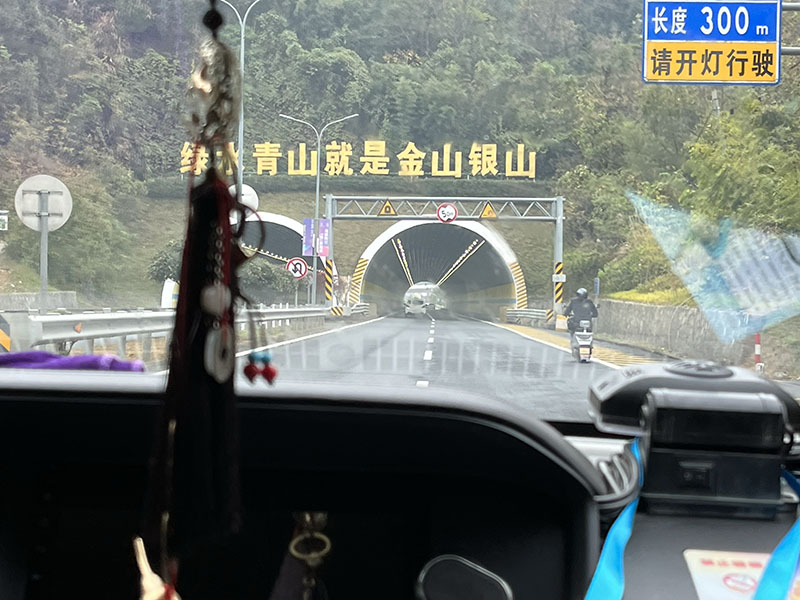
“Look, no stray dogs or cats, everything is neat!” The taxi driver beams proudly. “A railway station is being built, so you can travel to Hangzhou West in only 15 minutes.” Due to the lack of good public transport, I drive by taxi from the small town Anji in 45 minutes to Yucun, an iconic village in China’s rural revitalization policy. It is not on the main walking route that I had mapped out. Due to lack of time, we make this excursion partly on four wheels, largely through tunnels drilled into the mountains. Not so long ago, the village was virtually inaccessible. Mining was the main source of income and the cause of heavy pollution.
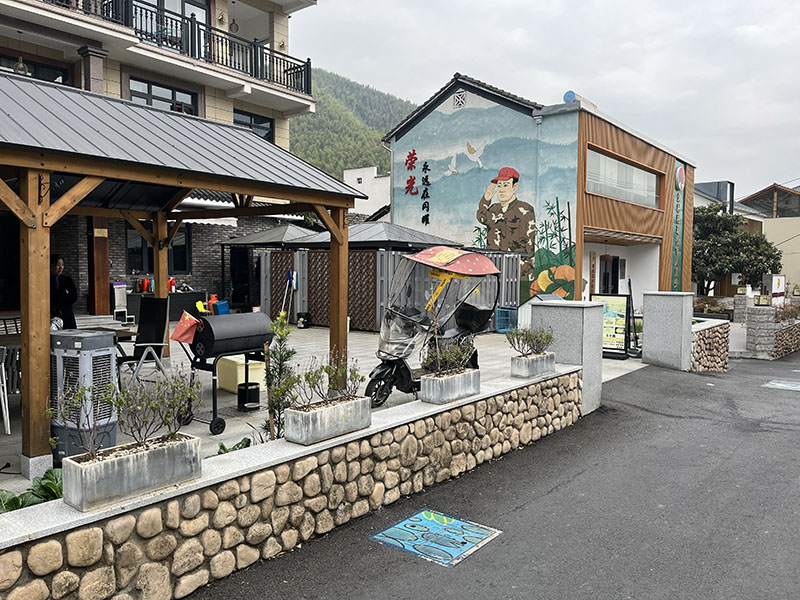
Village representatives from all over China come to meet here in a conference centre on the edge of the village now. “This generates a lot of income,” says a local entrepreneur during lunch. The village of less than 1,200 inhabitants has a dozen catering establishments, all brand new. We see a neat village street. As we walk on, we hear KTV-like singing in the distance.
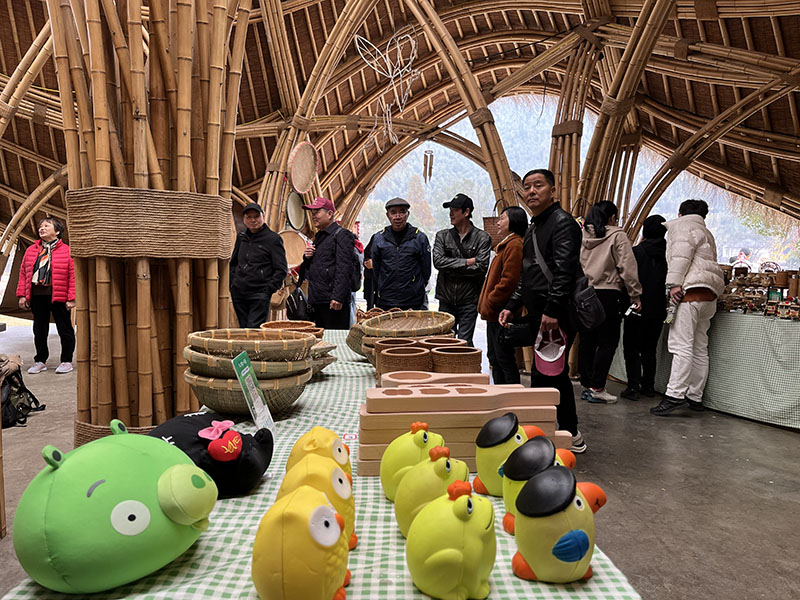
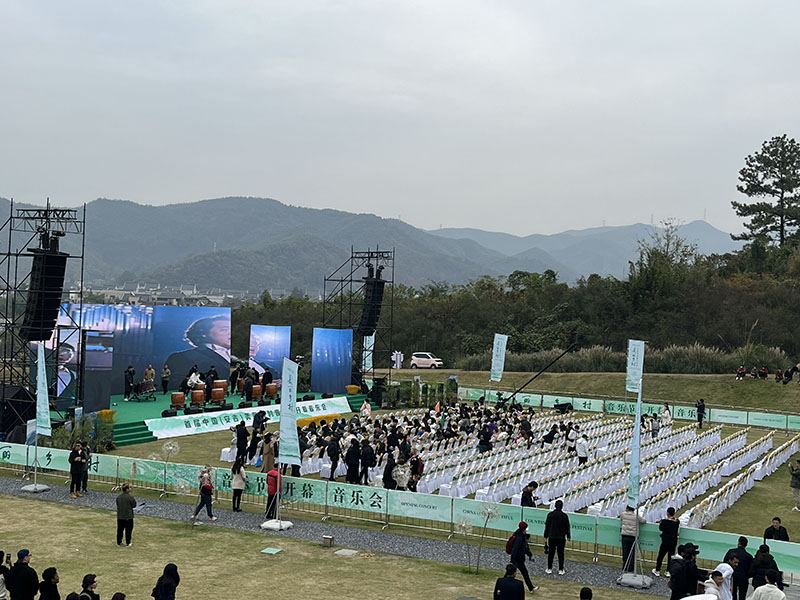
Suddenly we see a row of identical buses, at least twenty. A lot of photography is going on from behind the windows. The procession moves to a higher plateau. When walking in the same direction we recognize well-known traditional Chinese songs. Groups of young people are walking around; others are sitting on the roadside having a picnic or taking selfies. What’s going on, this is busier than Shanghai!
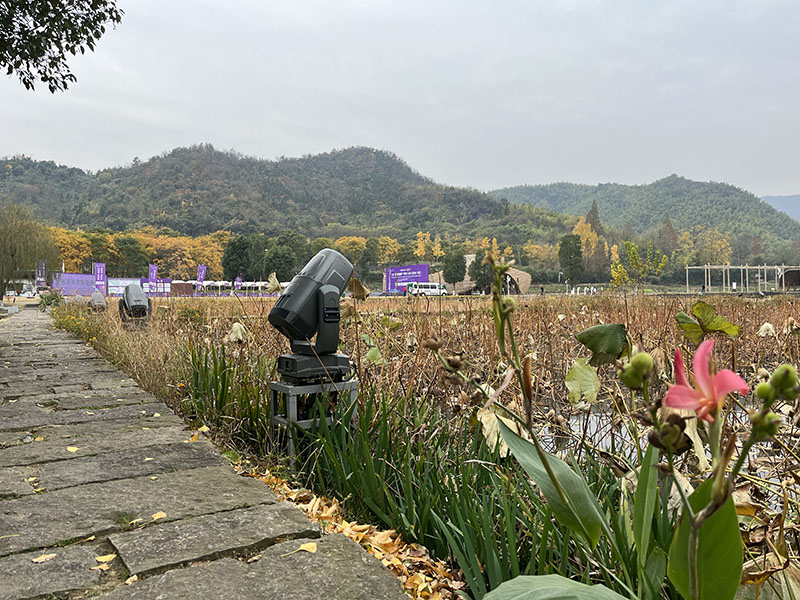
Yucun, located in a valley, is surrounded by bamboo forests and tea plantations. “Clear waters and green mountains are as valuable as gold and silver mountains,” said Xi in 2005 when he was still Party Committee Secretary in Zhejiang. At the spot where he spoke the now famous words, a huge stone has been placed with the text carved out. In the museum built besides it is a vending machine from which you can get gold and silver-coloured coins, with a green mountain and blue water stream painted on it. Yucun has become a place of pilgrimage where China’s ecological civilization policy is promoted, promising harmony between man and nature. Polluting industries are replaced by beautiful landscapes.
The village also promotes itself as a pilot project for democracy, with Chinese characteristics. The village functions as a collective, the profit generated by visitors is shared: “getting rich together”, or common prosperity. Blue sky, clear water and green mountains are the new profit generators.
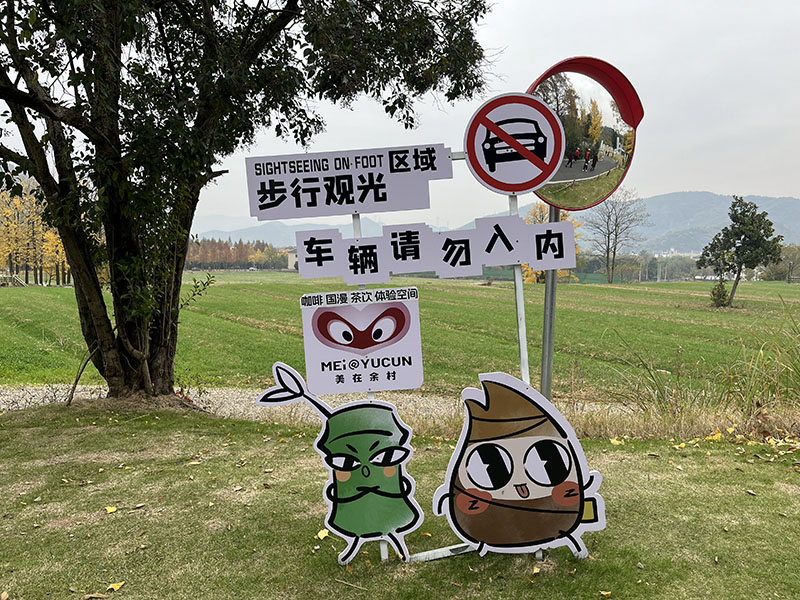
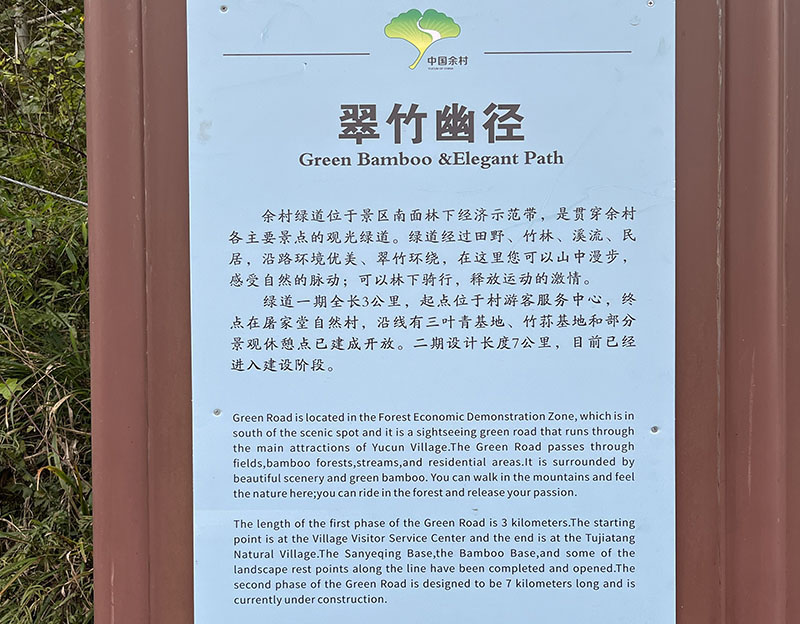
Meanwhile a hiking trail system is under construction to make connection with other villages, a first three kilometres has already been completed (at the moment of visiting).
2025年1月
“看,没有流浪狗和流浪猫,一切都很干净!”出租车司机骄傲地微笑着。“高铁站在造,15分钟内到杭州东站。”由于没有直达的公共交通,我从安吉镇开车45分钟才能到达余村,这是中国乡村振兴政策中的一个标志性村庄。它不在我规划的主要步行路线上。由于时间紧张,我们就开车通过山上隧道抄近路。不久前,这个村庄几乎是人迹罕至的。采矿是主要的收入来源,也是造成污染的原因。
全国各地的村庄代表来余村村边的会议中心开会取经。“这能带来很多收入。”一位当地企业家在午餐时说。这个居民不到1200人的村庄有十几家餐饮店,都是全新的。我们徒步一条倾斜的乡村街道。走着走着,听到远处KTV似的歌声。
突然,我们看到一排一模一样的大客车,至少有二十辆。车窗后面众多的拍摄。游行队伍向更高处的平地行进。如果我们好奇地走在它后面,我们会认出一些著名的中国传统歌曲。成群的年轻人四处走动;其他人则坐在路边野餐或自拍。这里发生什么事了,人比上海还多!
余村位于山谷中,竹林和茶园环绕。习主席在2005年担任浙江省委书记时说:“绿水青山就是金山银山”。他在当地所说的现在都是名言,并被刻在巨大的石头上立碑。在旁边建造的博物馆里,有一台自动售货机,你可以从中获得金色和银色的硬币,上面雕着免费的山和蓝色的小溪。余村已经成为一个朝圣之地,在这里,中国的生态文明政策得到了推广,人与自然的和谐是中心。
所有的村庄都把自己宣传为具有中国特色的民主试验项目。村庄作为一个集体,旅游业的收入是共享的:“共同致富”,或共同富裕。蓝天、绿水、青山是新的利润来源。
一个连接其他村庄的徒步旅行步道系统正在建设中,前三公里已经完成。
 乡村足迹 Rural Footprints