(中文翻译在英文正文之后)
December 2024
During walks with local experts, I notice that walking fellows always want to show something related to their past, in search for their roots after decades of unlimited economic progress. China’s work culture is more than ever characterised by long working weeks. The current cooling as a result of the pandemic and changing international relations mean that free time is even scarcer than it already was. Making time for a reflective walk is not always easy.
After lunch I waited for my walking fellow opposite the town hall on the edge of the provincial town of Lishui. Because my walking fellow’s work was not finished yet, I had to wait a while before we could leave. It was very hot, I bought a bubble tea. In the adjacent public library I saw the graduation work of local art academy students. The work expressed optimism, with here and there a critical undertone and historical references. I got to talking to some students who were installing their work. They told me about future plans, and about a labor market that seems to be difficult in the province just like in the big city.
My guest arrived. My Lishui-born walking fellow was trained in aviation in the metropolis of Hangzhou. Wanderlust! Due to health reasons, the dreamed job never became reality and it became an office job at the local railways. We were going to visit a remote mountain village where my walking fellow had last been with family thirty years ago. Judging from the map, the distance seemed easy to cover in an afternoon. But nothing is what it seems. We never reached the village.
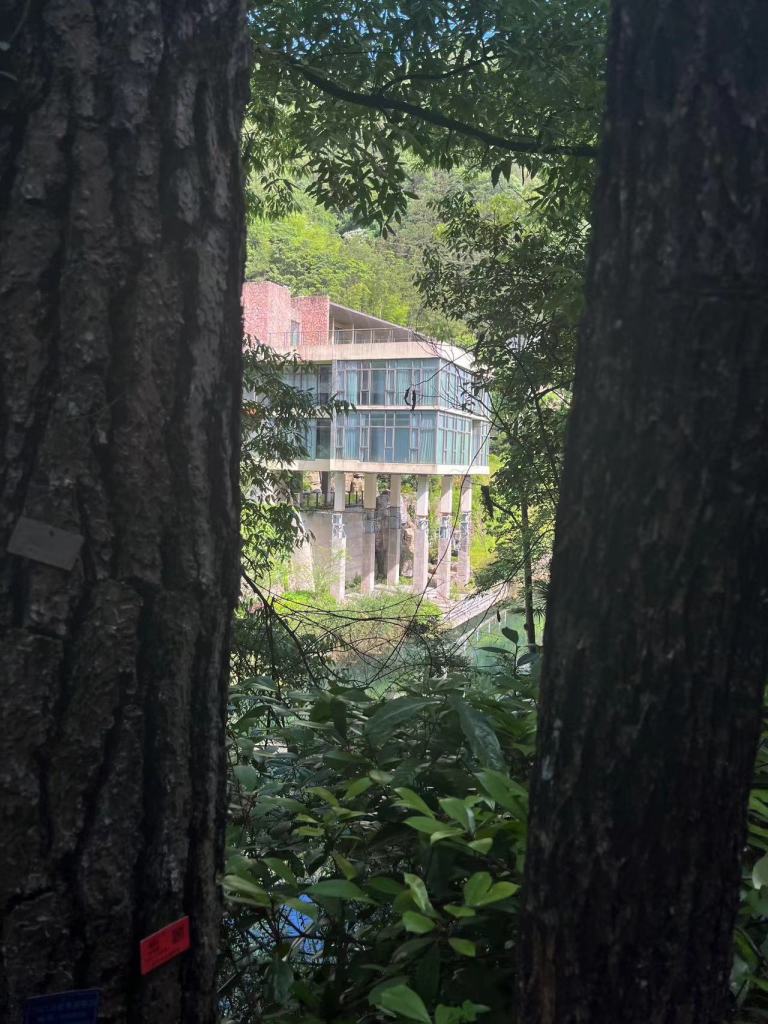
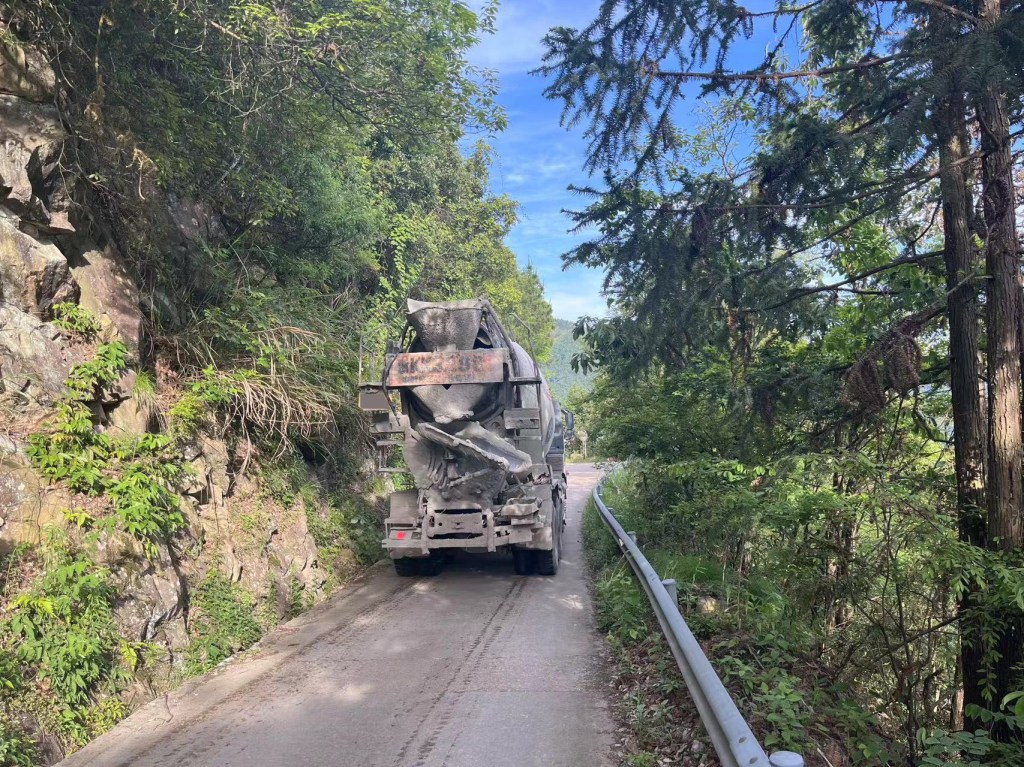
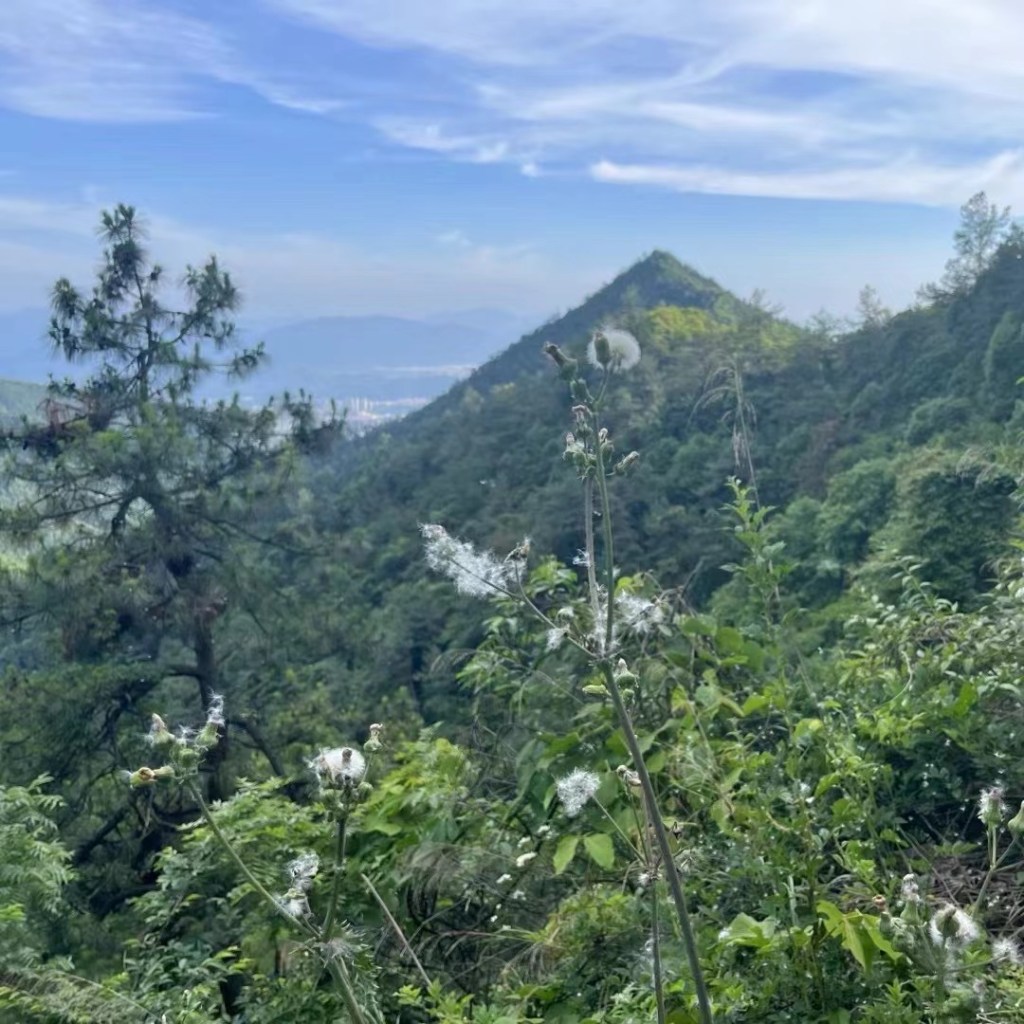
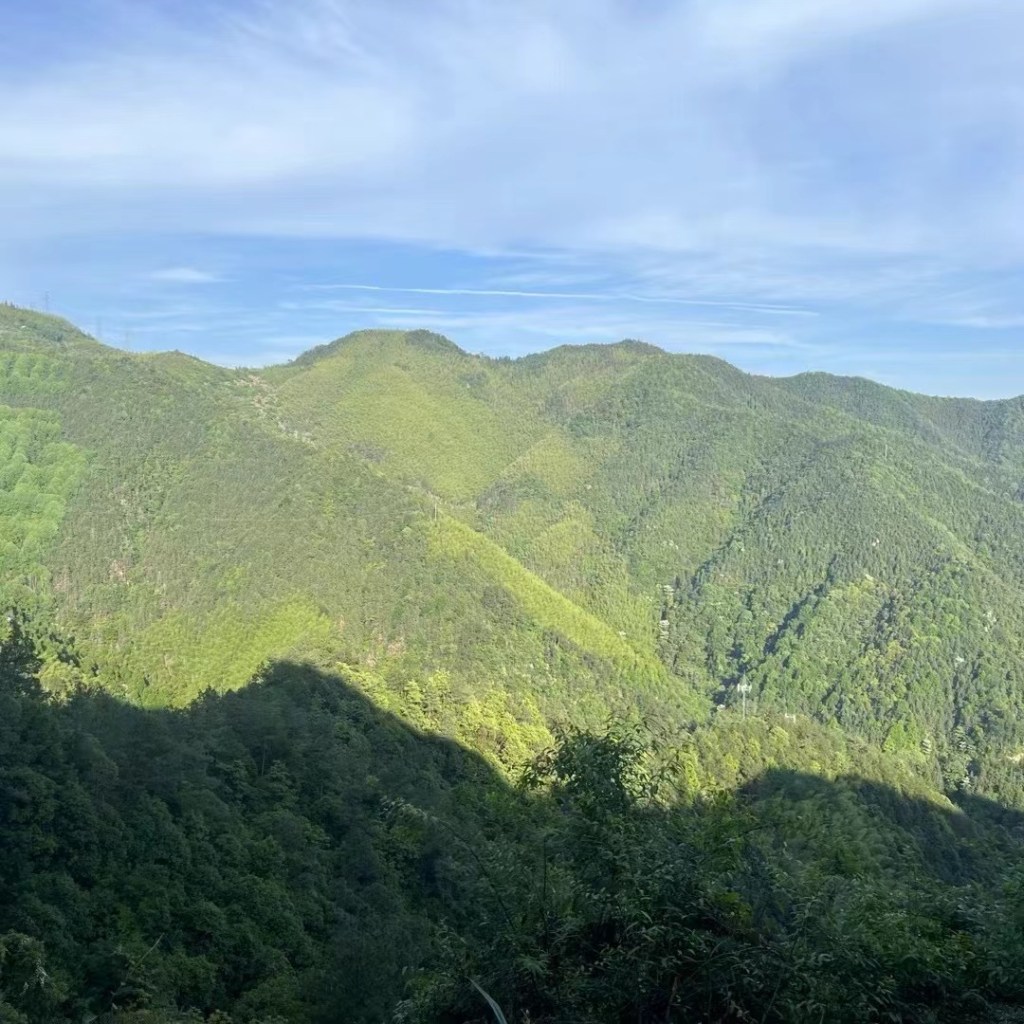
The mountain village was located high up, one kilometer above sea level. The route was a steep climb, with lots of natural beauty along the way, a temple, and some luxurious but vacant home-stays at the foot of the mountain. During the first part of the walk we encountered several people, motorcycles, cyclists, joggers, walkers. These gradually became fewer and at one point it was an hour and a half that we didn’t see anyone anymore, except for three concrete mixers halfway down the slope. We saw the third driver looking surprised. After that nothing came down the mountain and we saw the outline of the mountain peak. On the other side of the mountain there will be no forests but rice terraces, and a picturesque village, as I saw on satellite photos.
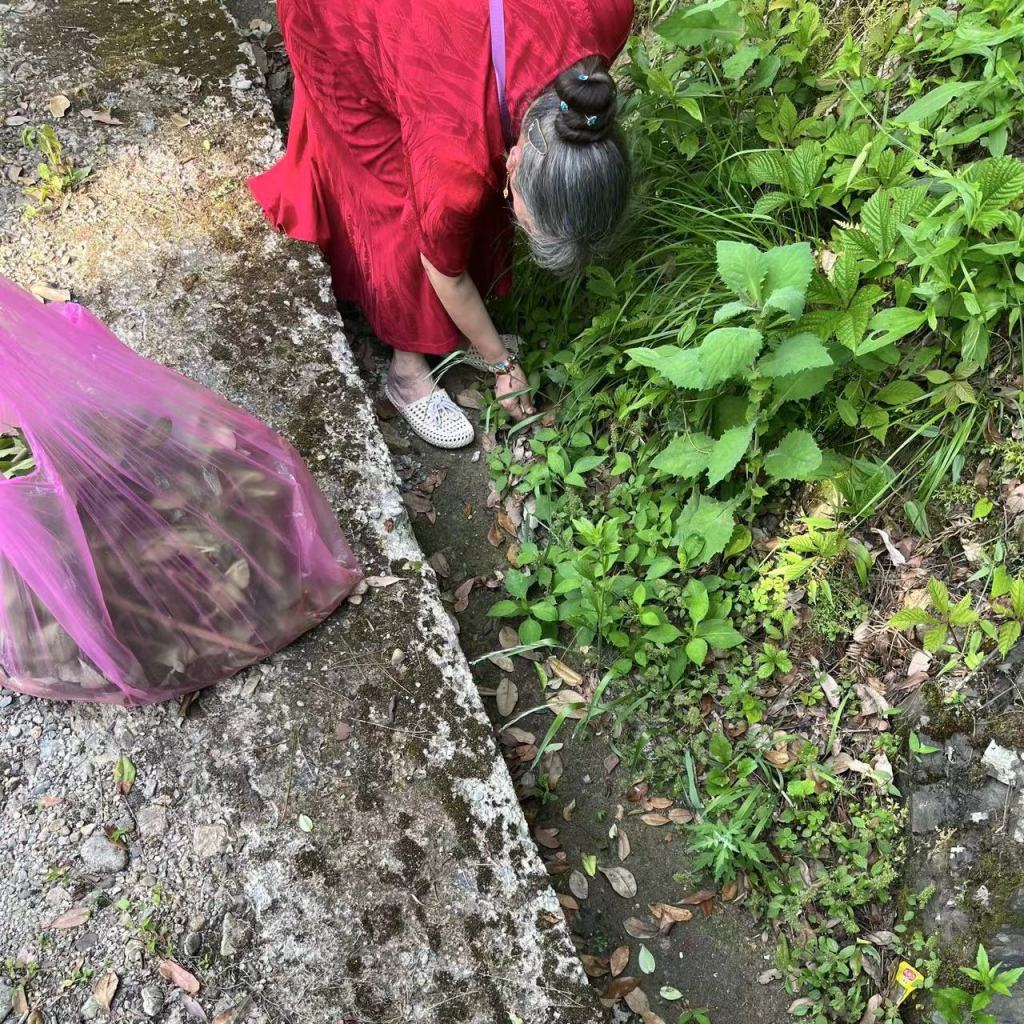
Suddenly, an ancient woman dressed in a red robe appeared. She was carrying a bale of herbs picked along the way. She warned “go back!” If we continued walking we would not make it back down the mountain before sunset. There are no overnight accommodation options in the village, virtually no one lives there and transport in the dark is impossible.
(to be continued)
2024年12月
在与当地专家一起途步时,我注意到他们总是想展示一些与他们的过去有关的东西,以追溯数十年无限经济发展后的根源。 中国的工作文化是以比任何时候都更长的工作时间为特征。 目前,由于大流行和国际关系的变化,经济降温意味着空闲时间比以前更加稀缺。 腾出时间进行反思性途步并不总是那么容易。
午饭后,我在丽水市政厅对面等待我的徒步同伴。 因为她的工作还没有结束,所以我不得不在此等待一会儿。 天气很热,我买了一杯珍珠奶茶。 在邻近的公共图书馆我看到了当地艺术学院学生的毕业作品。 这些作品表现乐观,有些带有些批判的基调和历史参考备注。 我与一些正在安装作品的学生交谈。 他们告诉我未来的计划,以及省内就业状况似乎和大城市一样困难。
我的徒步同伴到了。 出生于丽水的徒步同伴曾在杭州接受过航空培训。 旅行达人! 由于健康原因,梦想的工作从未成为现实,最后来到当地铁路办公室工作。 我们计划去一个偏远的山村,三十年前,她与家人一起去过。 从地图上看,这个距离似乎一个下午就能走完。 但一切都不是看上去的那样。 我们最终未到达村庄。
山村地处高处,海拔一公里。 这条路线很陡峭,沿途有很多自然美景,有一座寺庙,山脚下还有一些豪华但空置的民宿。 在步行的第一部分,我们遇到一些人,骑摩托车的、骑自行车的、慢跑者和步行者。 逐渐路上人越来越少,一个半小时后,我们再也没有看到任何人,除了山坡中间的三台混凝土搅拌机。 我们碰到第三位司机,他看起来很惊讶。 之后山上就什么也没有了,我们看到了山峰的轮廓。 山的另一边没有树林,只有梯田和风景如画的村庄,正如我在卫星照片上看到的那样。
忽然,一名身着古代红袍的老人出现在面前。 她提着一包沿途采摘的草药。 她警告说:“回去吧!” 如果我们继续走的话,我们就无法在日落之前下山了。 村里没有住宿,几乎没有人住在那里,夜里没有交通。
(待续)
 乡村足迹 Rural Footprints