
(中文翻译在英文正文之后)
November 2024
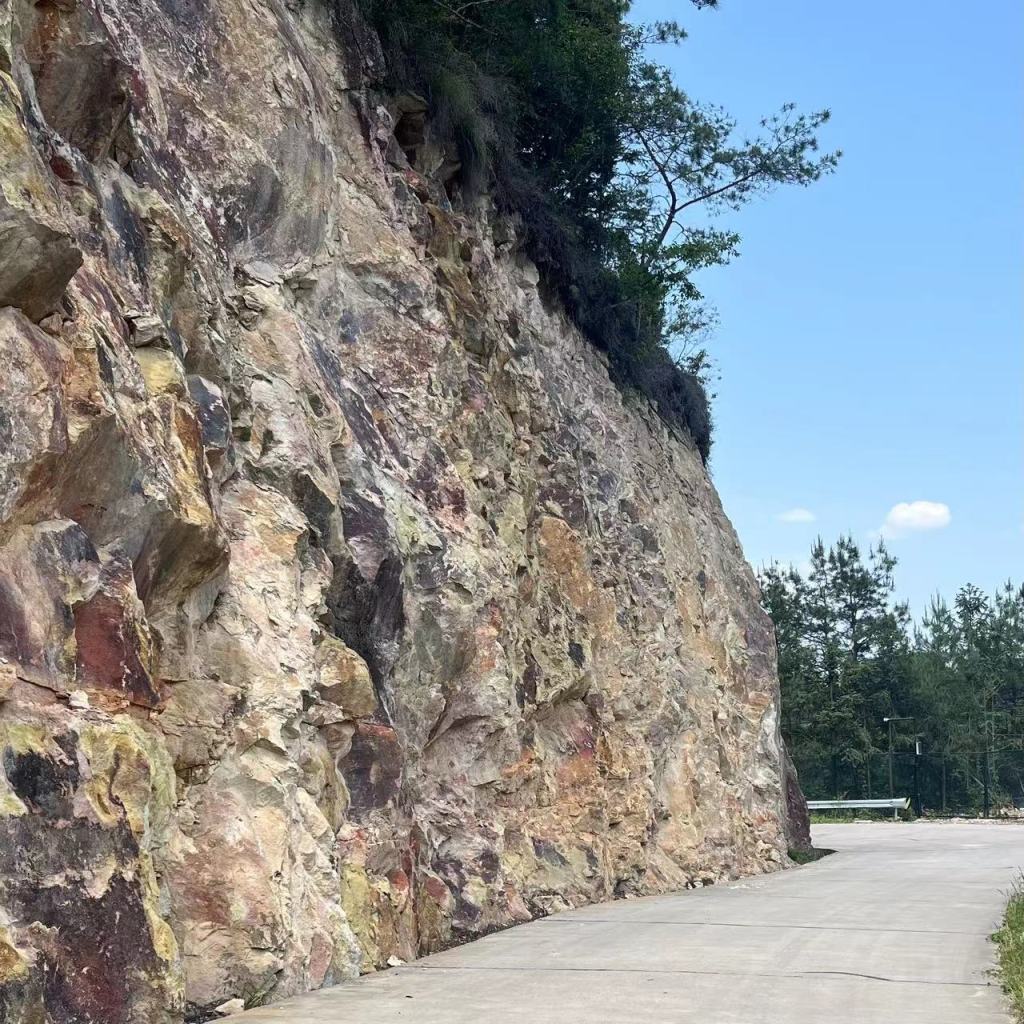
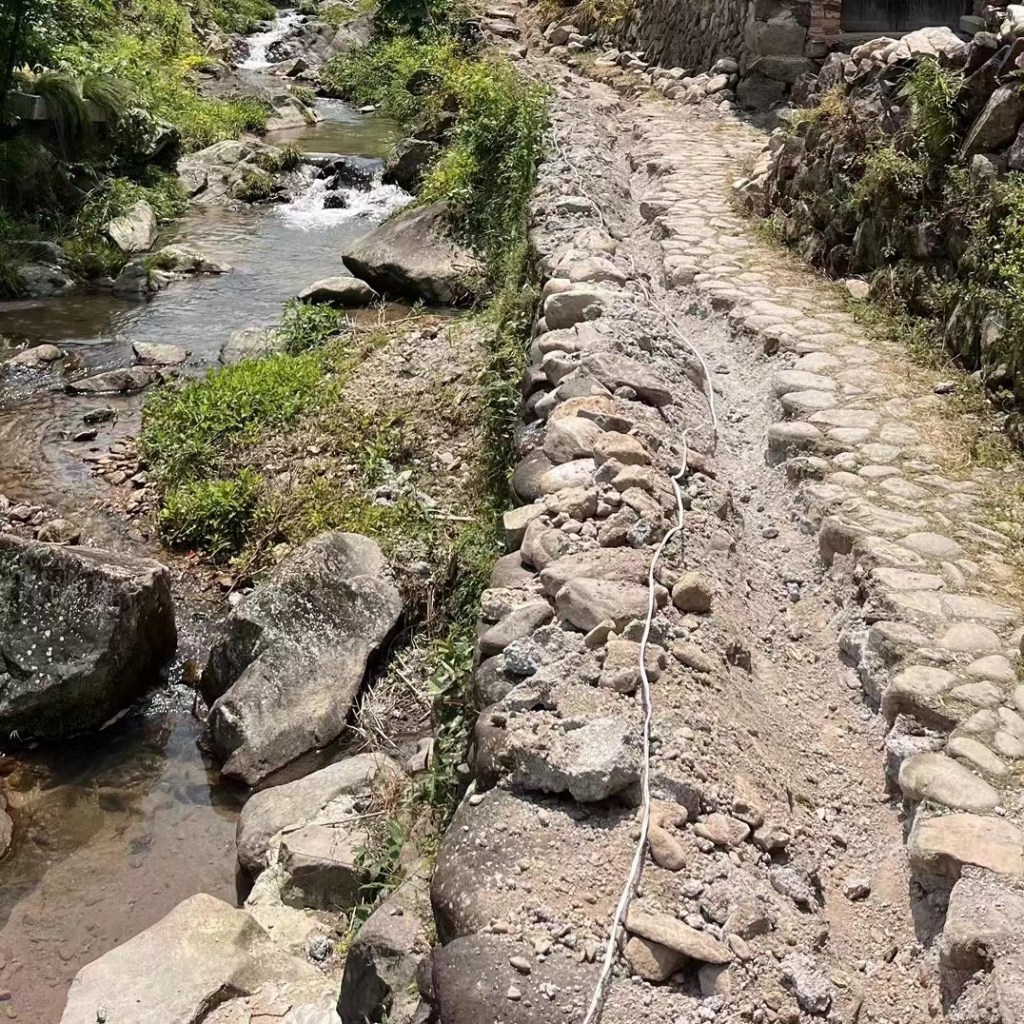
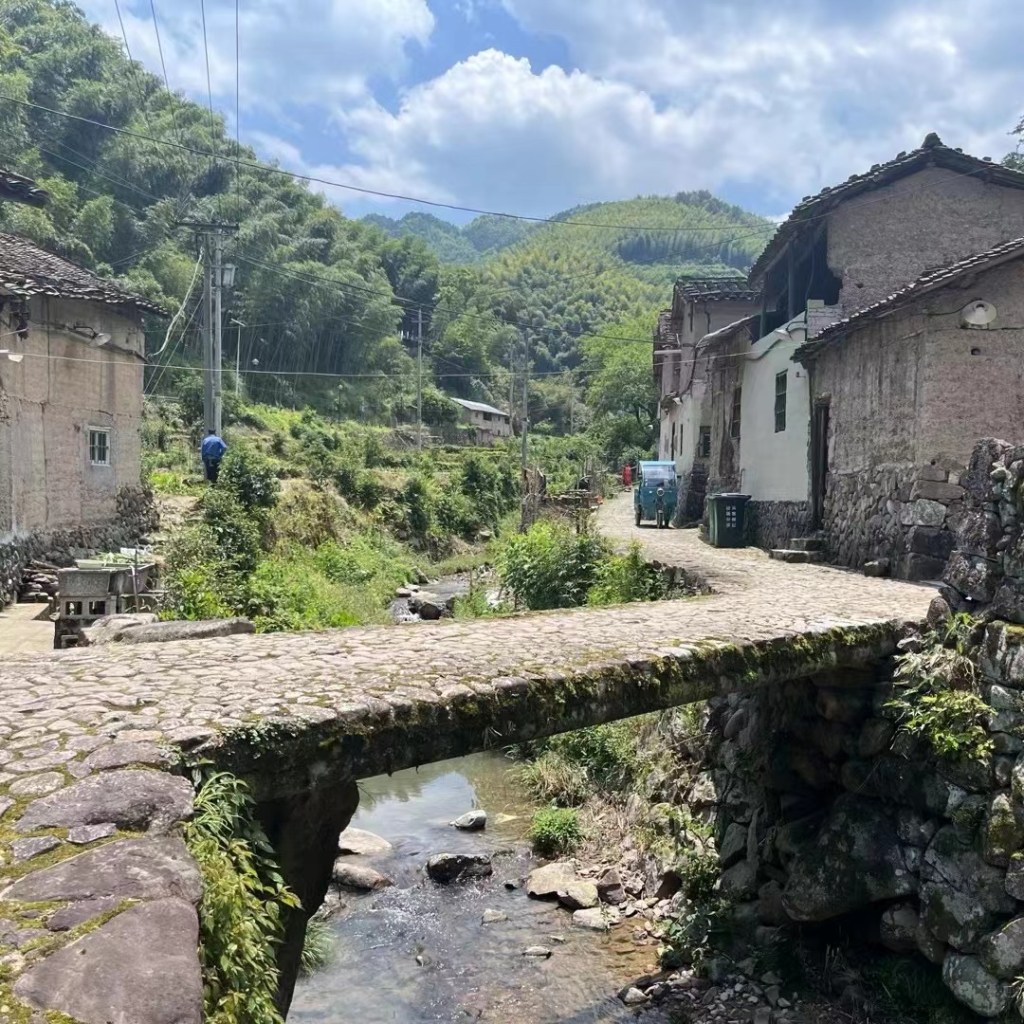
Today I walked with a local expert through two remote villages in Songyang County. Both villages were hardly accessible at the beginning of this century, she said. Less than ten years ago, the villages were opened up with concrete roads. The new roads are full of sharp bends. You have to be a good driver to drive here. Walking is easier, although you have to watch out for cars that can suddenly appear from behind a rock. Alternatively, there are narrow mountain paths that are unmapped but known to locals.
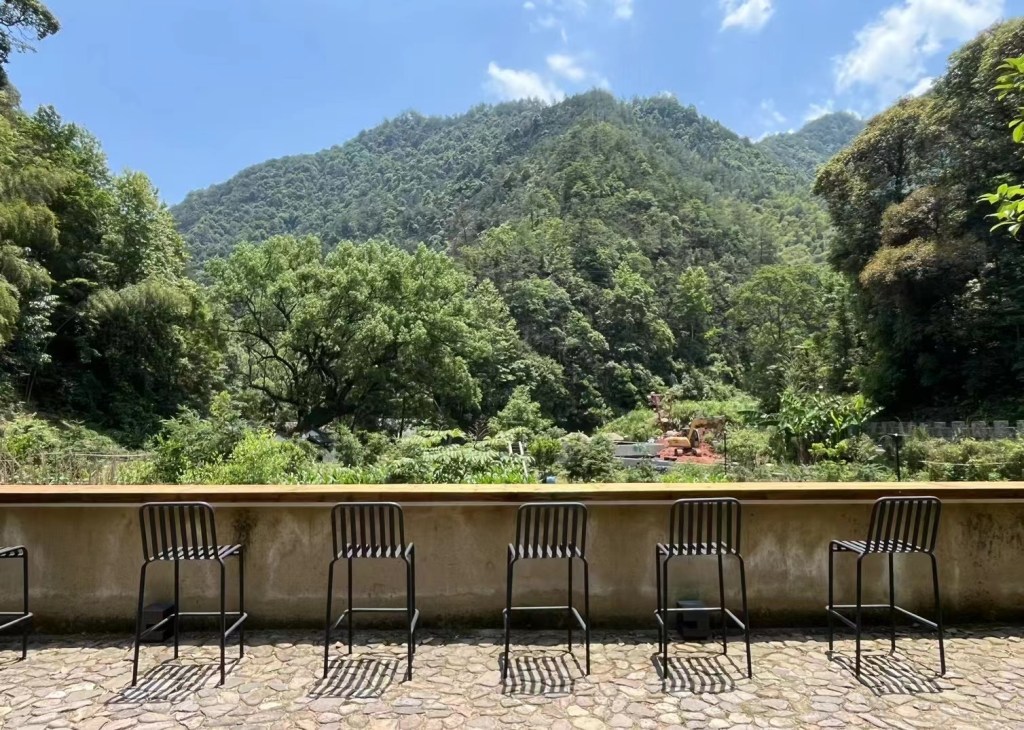
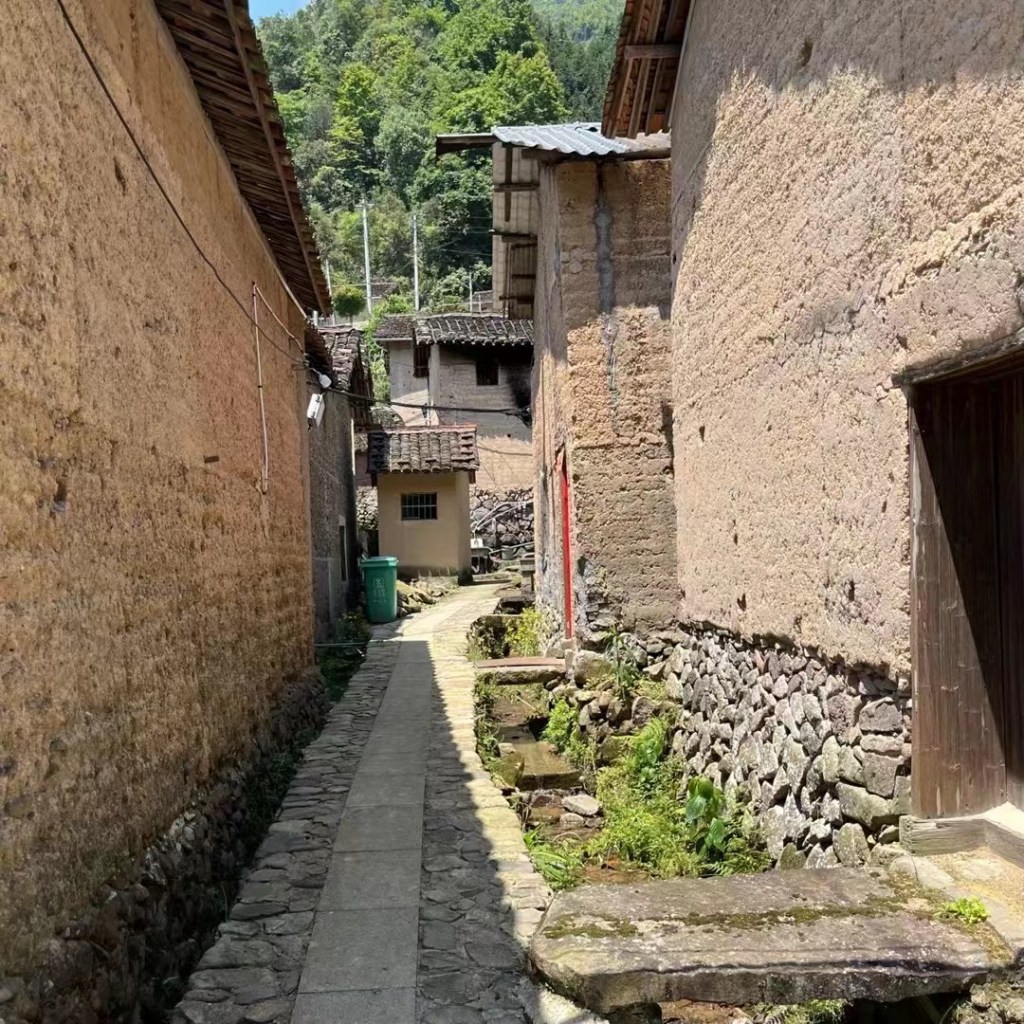
The villages still have a remote character, which is actually a great quality. Both villages are rustic and located in a water extraction area. Development is limited and tightly regulated. New construction is not permitted and conversion of existing buildings into homestays is also not allowed. Only reuse as a studio or workshop for artists is possible (they can sleep in their atelier). The first village, which is the easiest to reach, already houses several well-known artists and exhibition space. It looks peaceful. It’s a beautiful sunny day. Water ripples in a mountain stream. At the end of the valley is a waterfall where some older villagers do their laundry and catch fish.
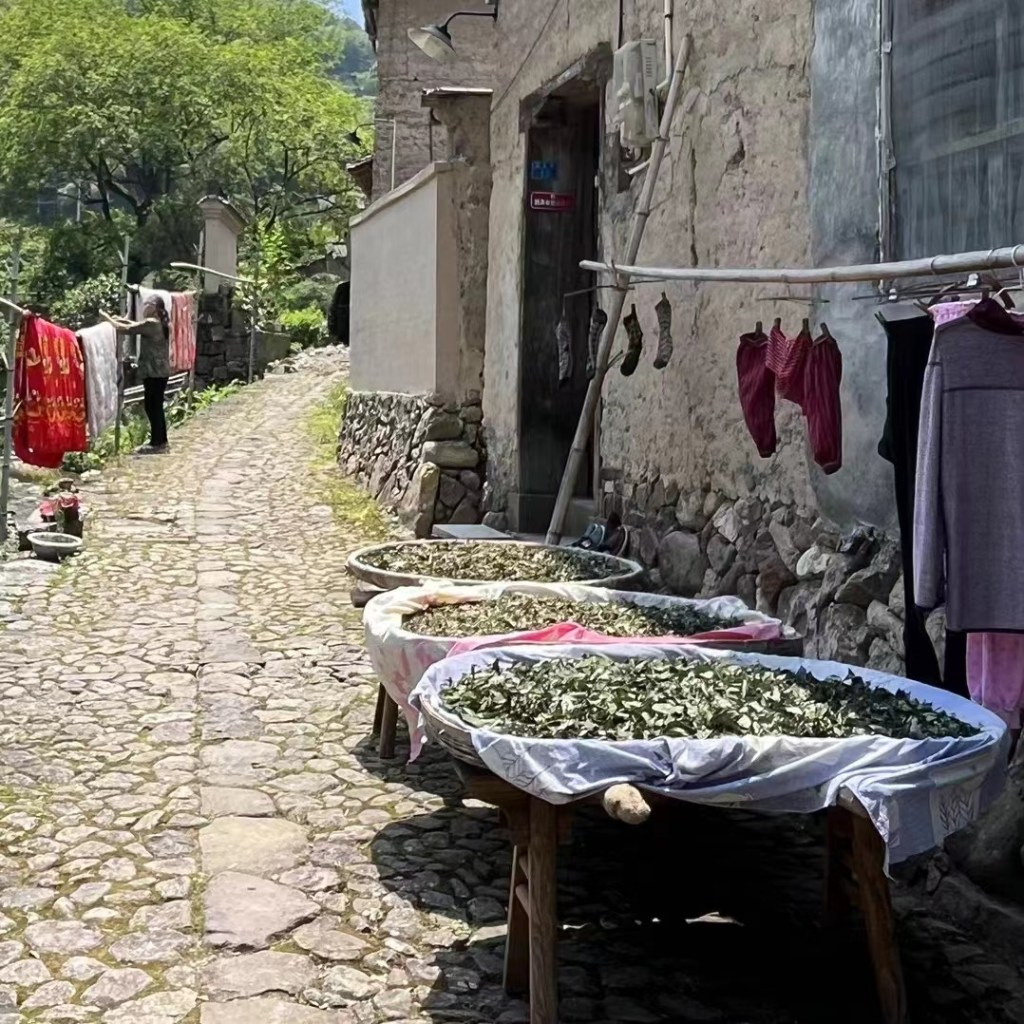
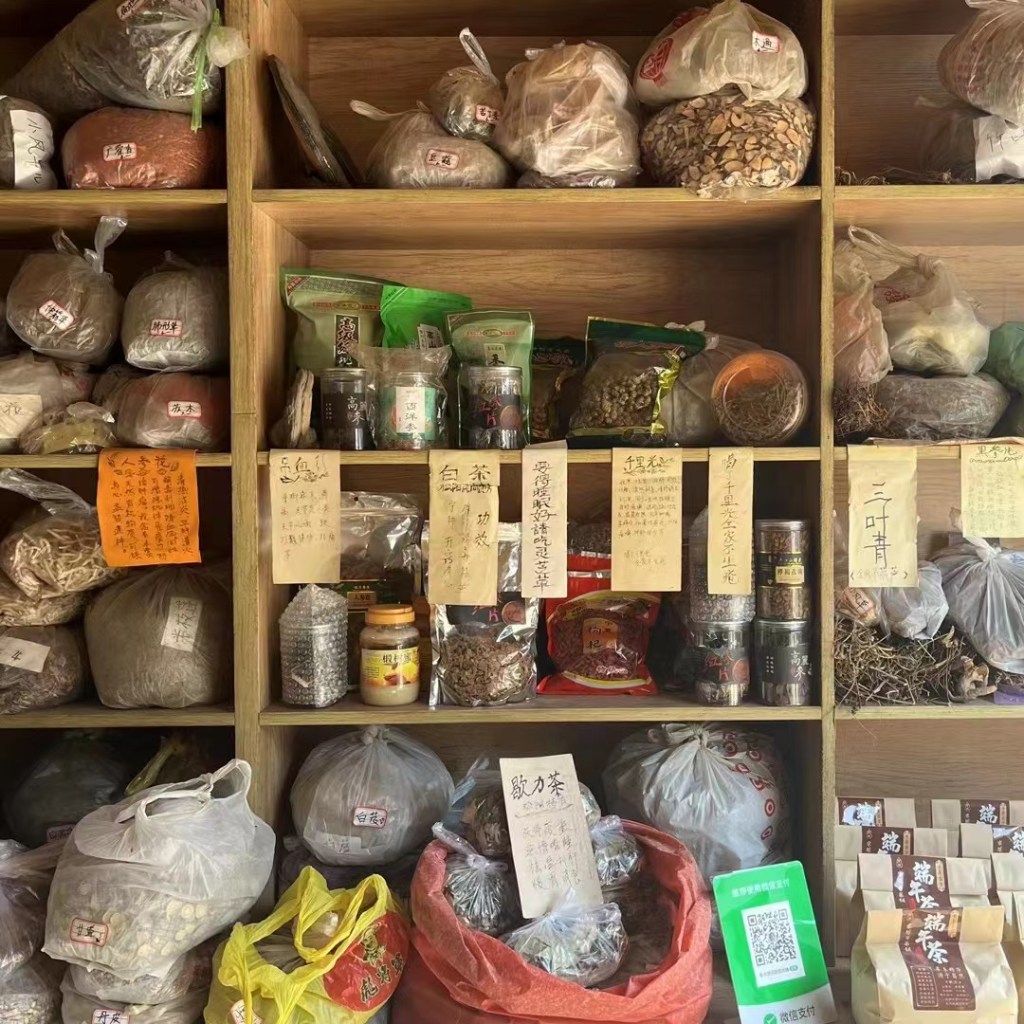
My walking fellow born in Songyang town told me that a fellow student born in one of the villages told her what life was like less than twenty years ago. Her father went to Songyang town twice a year to buy essentials or do some trading. She was always allowed to come along and looked forward to it for days. That was a moment when you could experience different cultures and try other cuisines. For most of the year you didn’t need the city and could live off what the mountains offers. The ancient Chinese credo 靠山吃山 applies here (literally: those living on a mountain live off the mountain).
There are many dozens of similar hamlets and villages in Songyang County and elsewhere. Usually difficult to reach, undiscovered, with a few elderly residents left. The picturesque quality is very high, but the environment is vulnerable. Does the ancient Chinese credo perhaps offer clues for a sustainable future scenario? Disconnected from global development, the local environment offers options for sustainable development. In any case, for artists or scientists who want to (temporarily) withdraw to work in a concentrated manner this is the perfect place, with limited subtle interventions to improve basic living conditions and without affecting the environment. With or without the internet.
2024年11月
今天我和当地专家一起徒步松阳县的两个偏远村庄。 她说:在本世纪初,这两个村庄都与世隔绝。 约十年前,村庄才修了水泥路。 道路弯弯曲曲,你必须是一个好的司机才能在这里开车。 步行更容易,尽管还是要提防突然出现在弯道后面的汽车。 另外,还有一些狭窄的山路,没有在地图上标注,只有当地人知道。
这些村庄仍然很偏僻,这实际上是一个很好的特质。 这两个村庄都很质朴,位于取水区。 发展受到限制且受到严格监管。 不允许新建建筑,也不允许将现有建筑改建为民宿。 只能重新用作艺术家的空间或工作室(在里面睡觉是被允许的)。 第一个村庄是最容易到达的,已经拥有几位知名艺术家和展览空间。 看起来很平静。 这是一个美丽的阳光灿烂的日子。 山涧里的水波荡漾。 山谷的尽头是一个瀑布,一些年长的村民在那里洗衣服和钓鱼。
出生在松阳城里的徒步同行告诉我,一位出生在类似村庄的同学告诉她二十年前这里的生活是什么样的。 她的父亲每年两次去松阳城里购买必需品或做一些交易。后来她也可以一起去。 她一直都非常期待。 那是一个你可以体验不同文化并尝试其他美食的时刻。 一年中的大部分时间,不需要呆在城市,可以靠山上的食物生活。 中国古代的俗语“靠山吃山”就适用于此(字面意思是:住在山上的人靠山生存)。
在松阳和其他地方,还有几十个类似的村落。 通常很难到达,未被发现,只剩下一些老年居民。 风景如画,但环境脆弱。 中国古老的俗语是否可能提供一个可持续的未来场景? 当地环境与全球发展脱节,为可持续发展提供了选择。 无论如何,对于想要(暂时)抽身并集中精力工作的艺术家或科学家来说,这里稍加干预可改善基本条件,而不影响环境,无论是否可连接互联网。
 乡村足迹 Rural Footprints