(中文翻译在英文正文之后)
October 2024
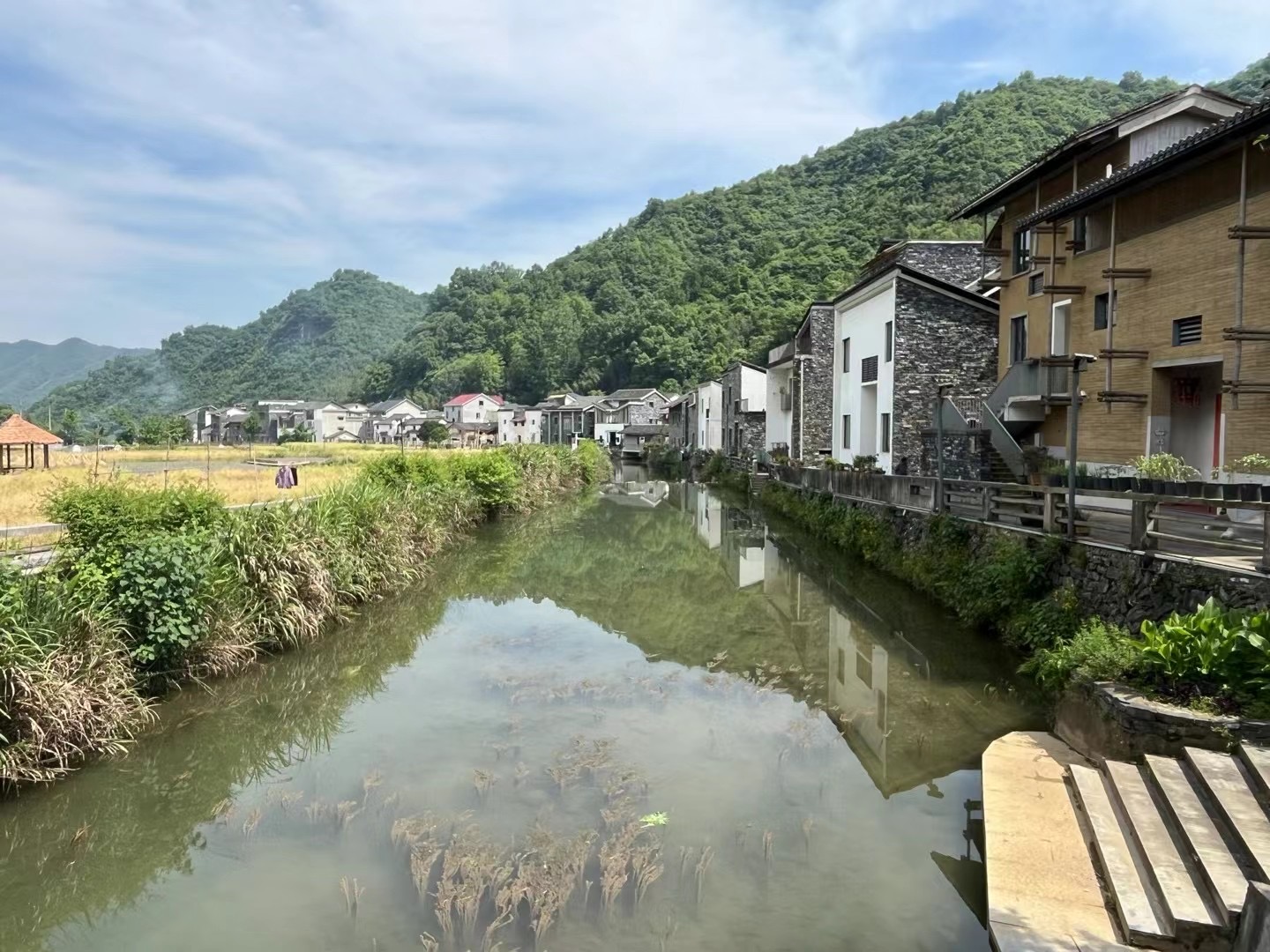
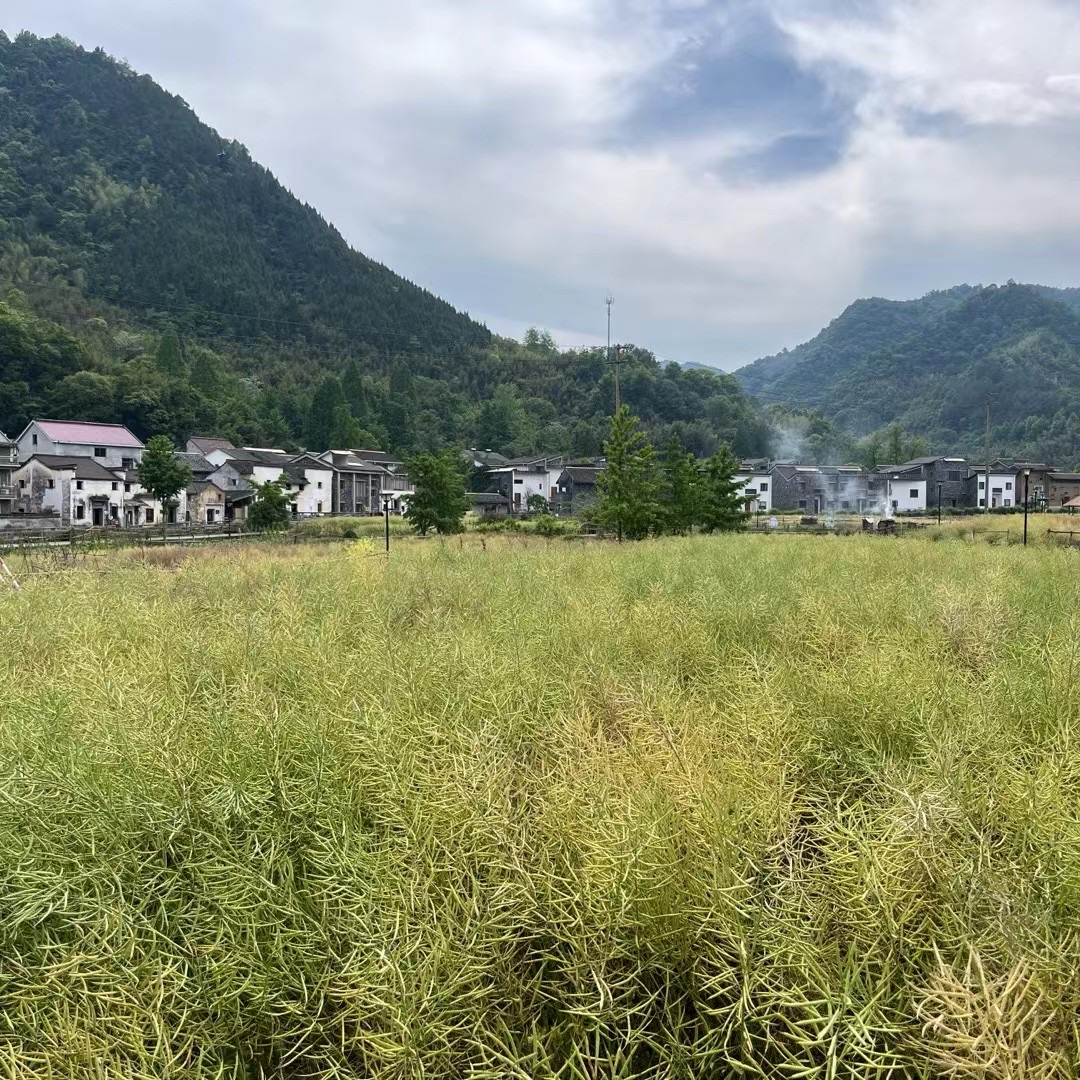
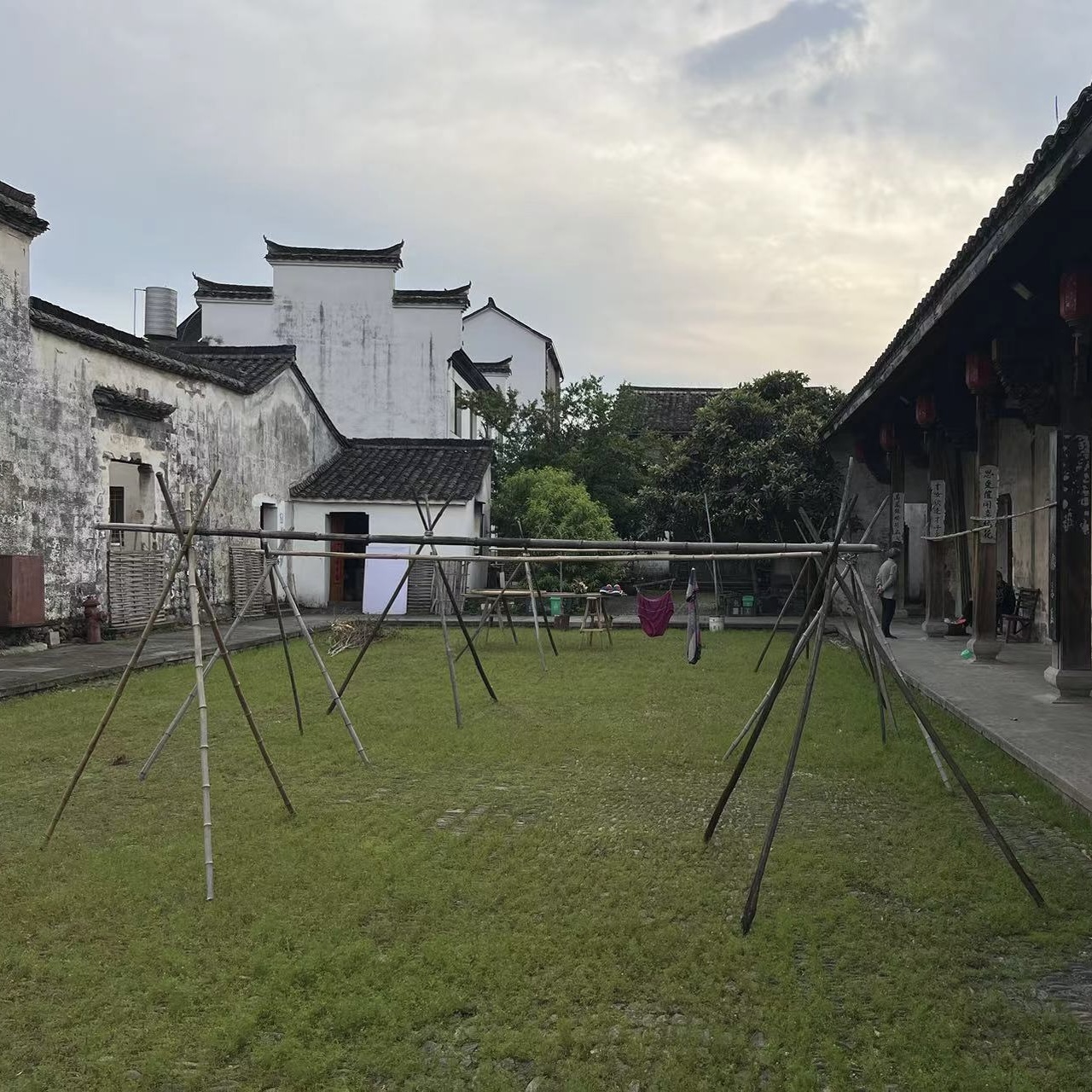
Today I walked with three young talented Chinese architects through two revitalised villages in Zhejiang province. All three are highly educated, partly abroad, and have the necessary experience with construction projects, including in rural areas, such as a community space or museum. Yet all three are somehow reorienting themselves due to changing conditions in the professional field.
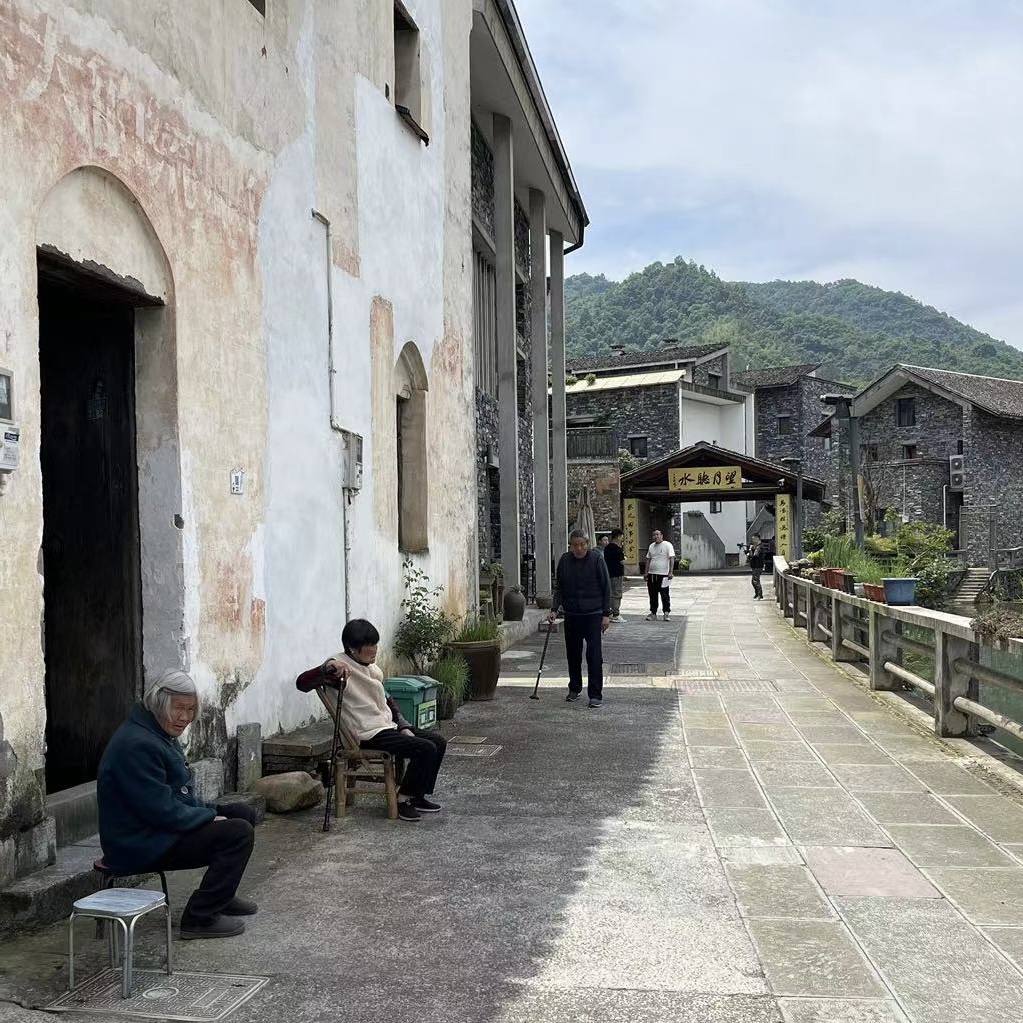
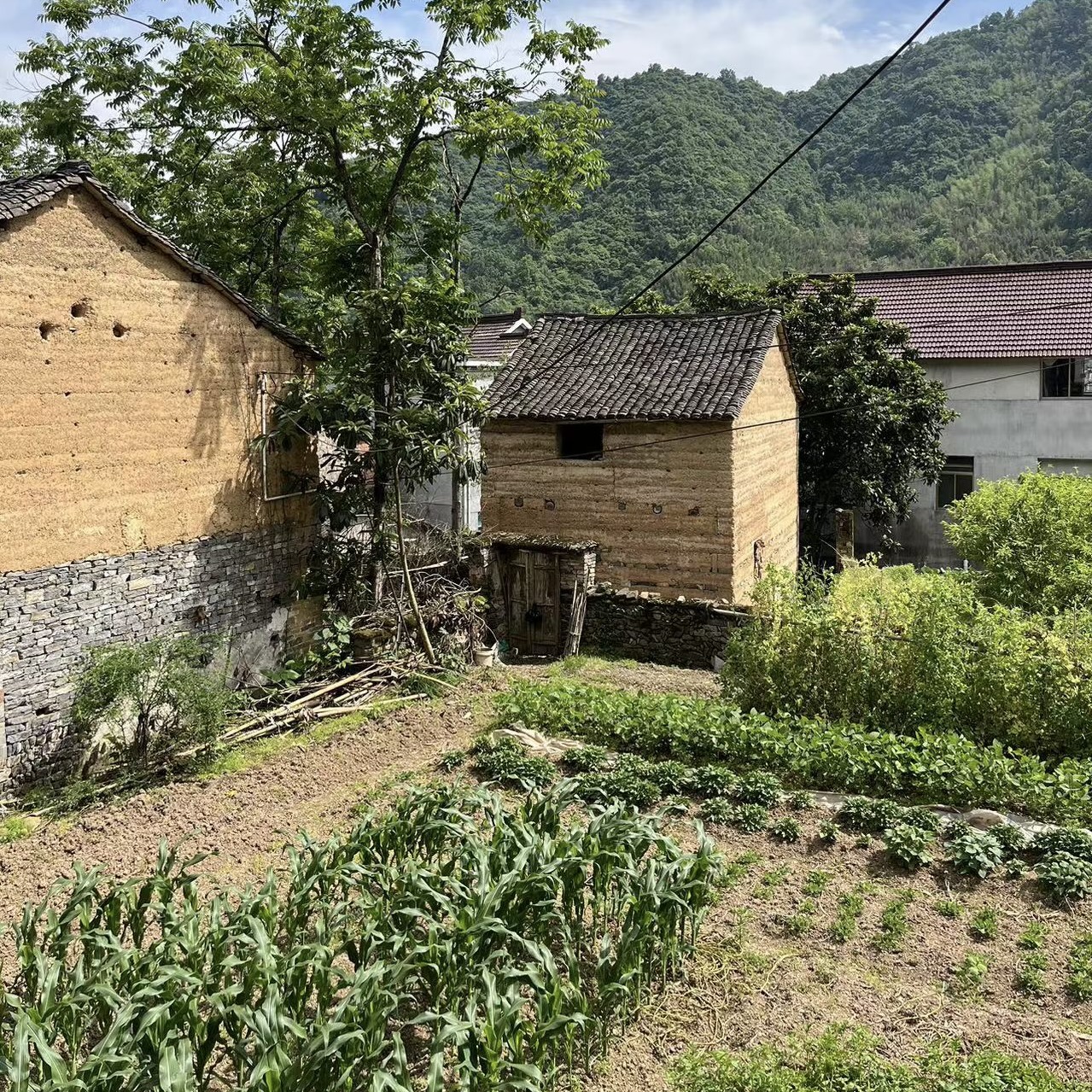
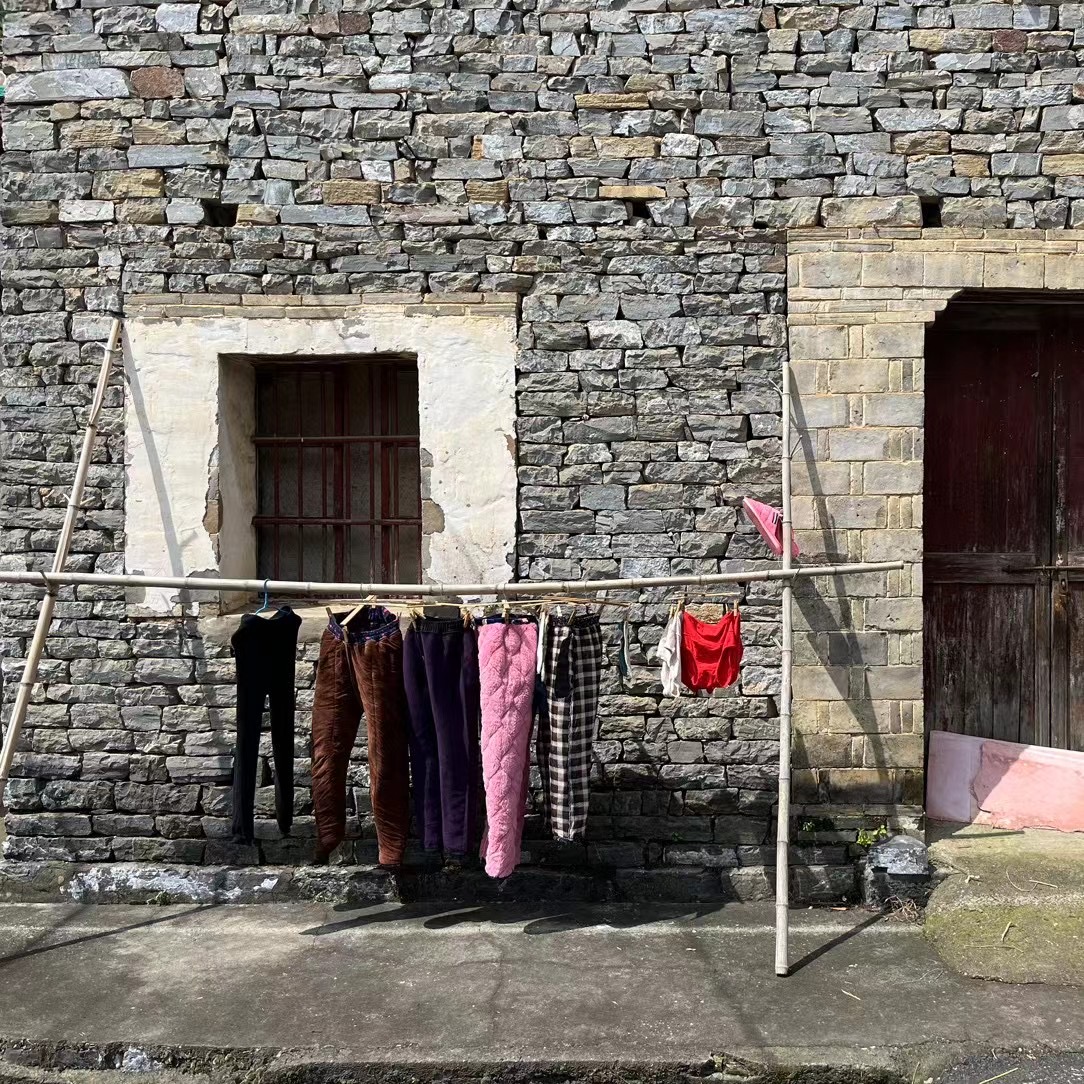
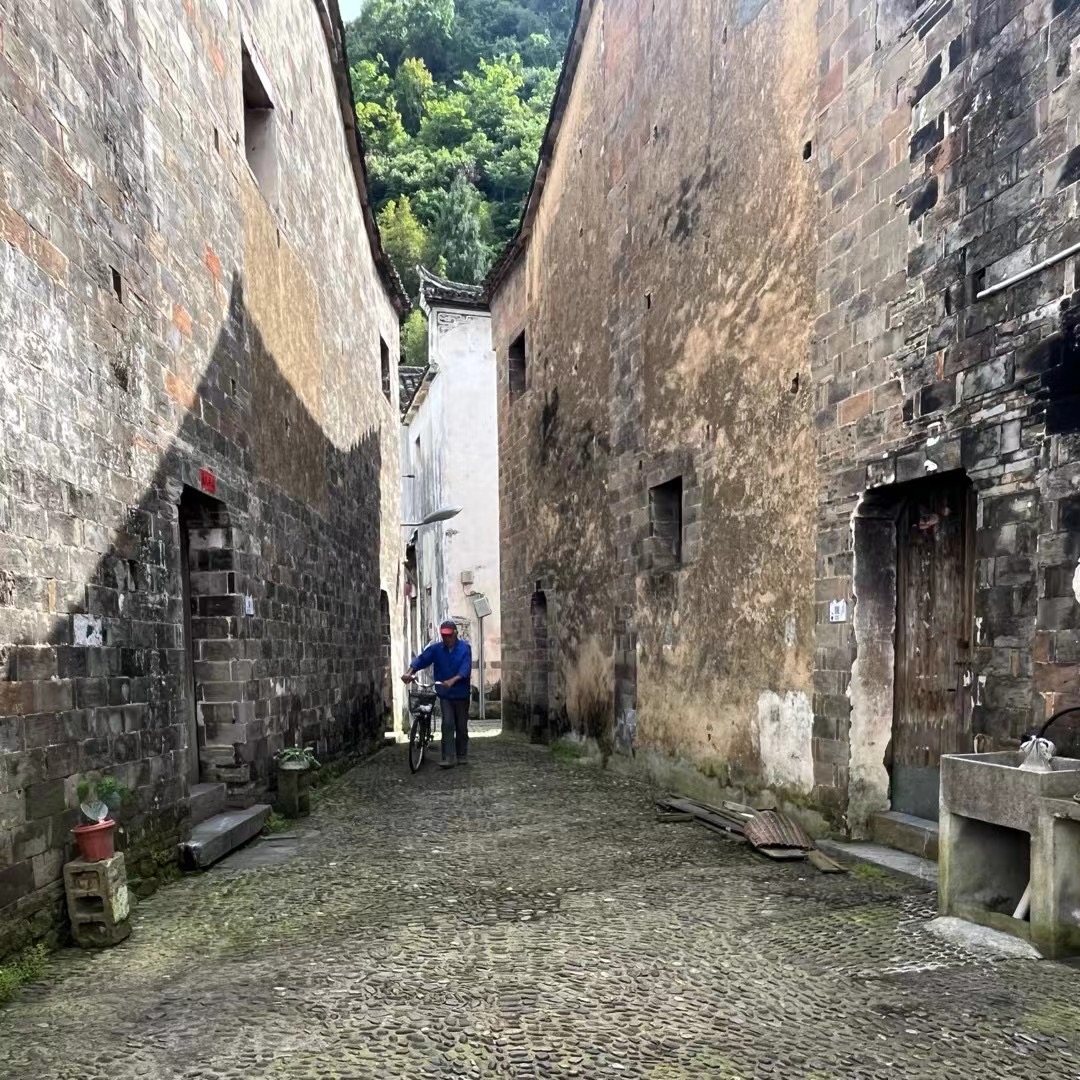
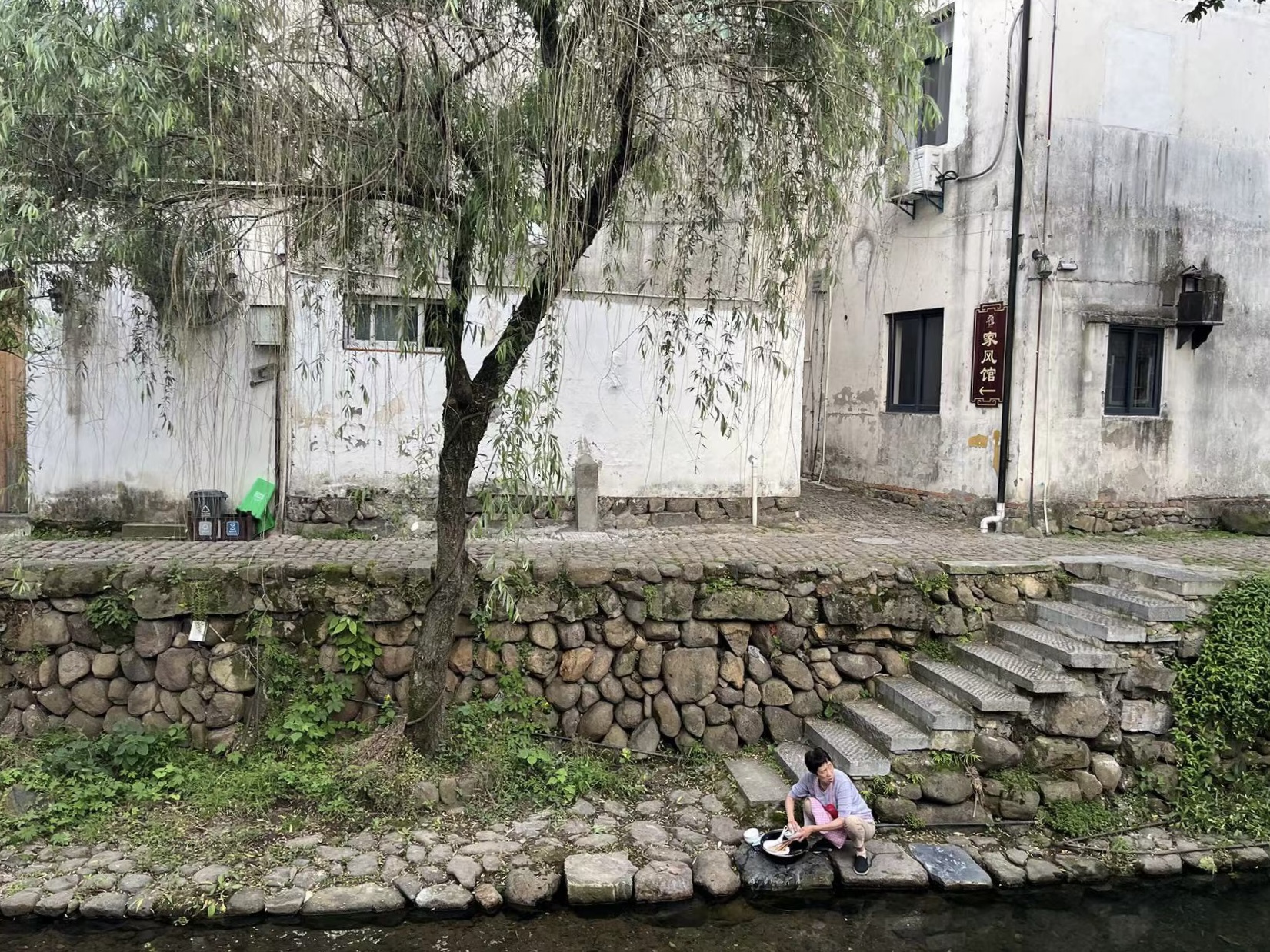
What can you, as an architect, contribute to sustainable development of the countryside? During our walk we see many active elderly people in both villages. We spoke with them. In contrast to active elderly people in the Western world, these elderly here do not spend their time on leisure but on small-scale manual labor, such as weaving the threads in tennis rackets and processing agricultural products. This provides a small supplement to their basic income. The gap between rural and urban incomes is wide, even in prosperous Zhejiang province. This also applies to the rural lifestyle, which is very different from temporary (urban) tourists in home-stays and coffee houses.
In recent decades, the field of architecture has mainly focused on urban growth. Due to a changing economic reality, with real estate giants reaching their limits, a pandemic and tensions in international trade, the number of assignments for architects is drying up. Working as architect in the countryside is a niche, and certainly not easy. Projects are small-scale, and stakeholders are very different, such as villagers in collectives with very different expectations. Budgets are low and processes are slow. This requires acupuncture interventions, patience and listening skills. Walking with locals can help to improve mutual understanding.
I also hear from other architects and entrepreneurs in the countryside that working in the countryside is certainly not easy. It takes a lot of dedication and perseverance. Profit margins are small or even non-existent. To tackle the challenges in a targeted manner, dialogue with users and understanding the environmental context is essential.
Building according to needs was not a given for a long time. The market was (and still is) leading. But local residents have little need for more luxurious exurban resorts, which often are enclaves and used for a few weeks a year. Behind beautiful architectural facades we often see vacancy, also in the countryside.
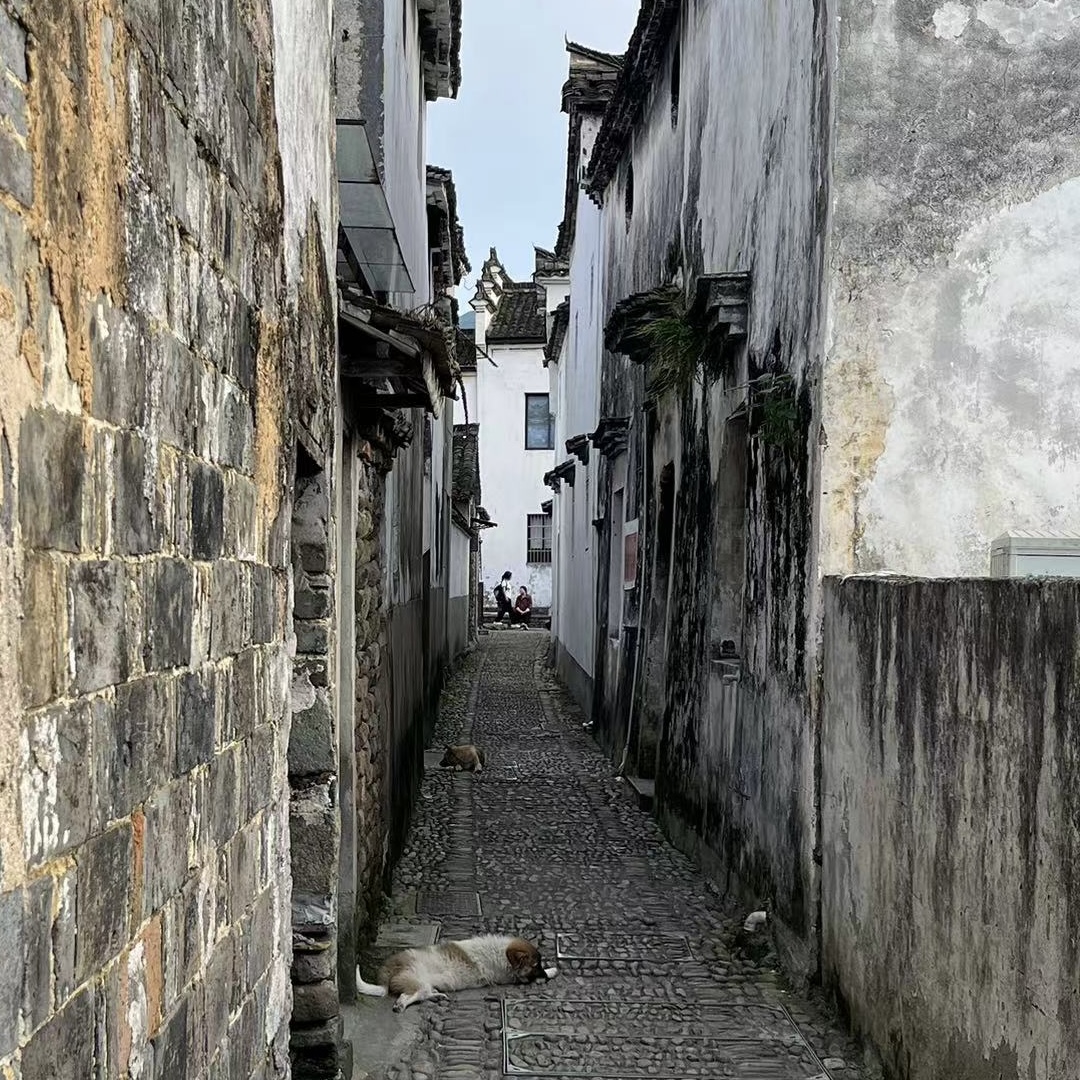
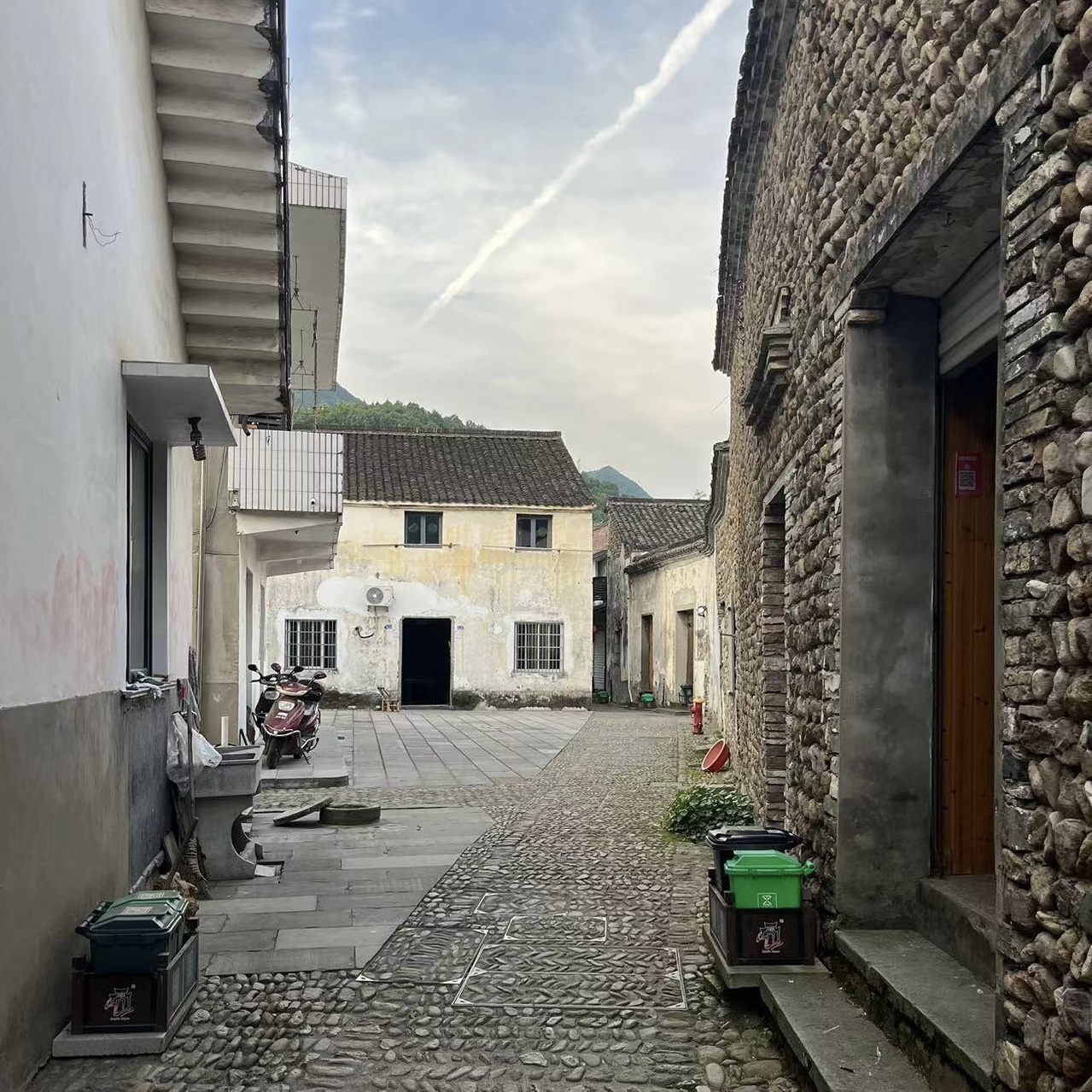
Walking and understanding the real needs will help to meet expectations. My walking fellows demonstrated this today with passion and conviction. They explained and shared with me the surprising beauty of local rural villages.
2024年10月
今天,我和三位杭州的年轻而有才华的本土建筑师一起在浙江省两个复兴村庄徒步。三人都受过高等教育,还曾留学海外,并在项目建造方面拥有必要的经验,包括在农村地区,如乡政府和博物馆项目。现在三人都在调整自己的方向。
作为一名建筑师,你能为农村的可持续发展做出什么贡献?在途步的过程中,我们在村庄里看到了许多活跃的老年人。我们和他们聊了会儿天。与西方世界活跃的老年人不同,这些老年人不把时间花在休闲上,而是在体力允许的条件下参与劳动,比如编织网球拍网和加工农产品。这为他们的基本收入提供了少量补充。城乡收入差距很大,即使在富裕的浙江省也是如此。农村的生活方式与民宿和咖啡馆的临时游客的也非常不同。
近几十年来,建筑领域主要关注城市发展。由于经济现状的变化,房地产巨头的发展达到了极限,疫情和国际贸易的紧张局势,建筑师的项目数量正在枯竭。在农村工作是放松的,同样也不容易。项目规模较小,多样利益相关者,包括集体中的村民,他们的期望值非常不同。预算较低,过程非常慢。这需要针灸式工作方式干预、耐心和倾听技巧。与当地人一起途步有助于相互了解。
一些参与农村建设的建筑师和企业家告诉我农村工作当然不容易。这需要很大的奉献精神和毅力。利润率很小,甚至根本不存在。为了有针对性地应对挑战,与用户对话和和周边情况了解至关重要。
很长一段时间以来,不必按需建造。市场仍然起主导作用。但当地居民几乎不需要更豪华的远郊度假胜地,这些度假胜地就像飞地,每年只被使用几周。在美丽的建筑立面后面,我们经常看到空置的建筑,甚至在农村也是如此。途步可以了解真正的需求将有助于达到预期。今天,我的徒步同行们非常热情和有说服力的。他们向我解释和共享地方农村令人惊讶的美丽。
 乡村足迹 Rural Footprints