(中文翻译在英文正文之后)
August 2024
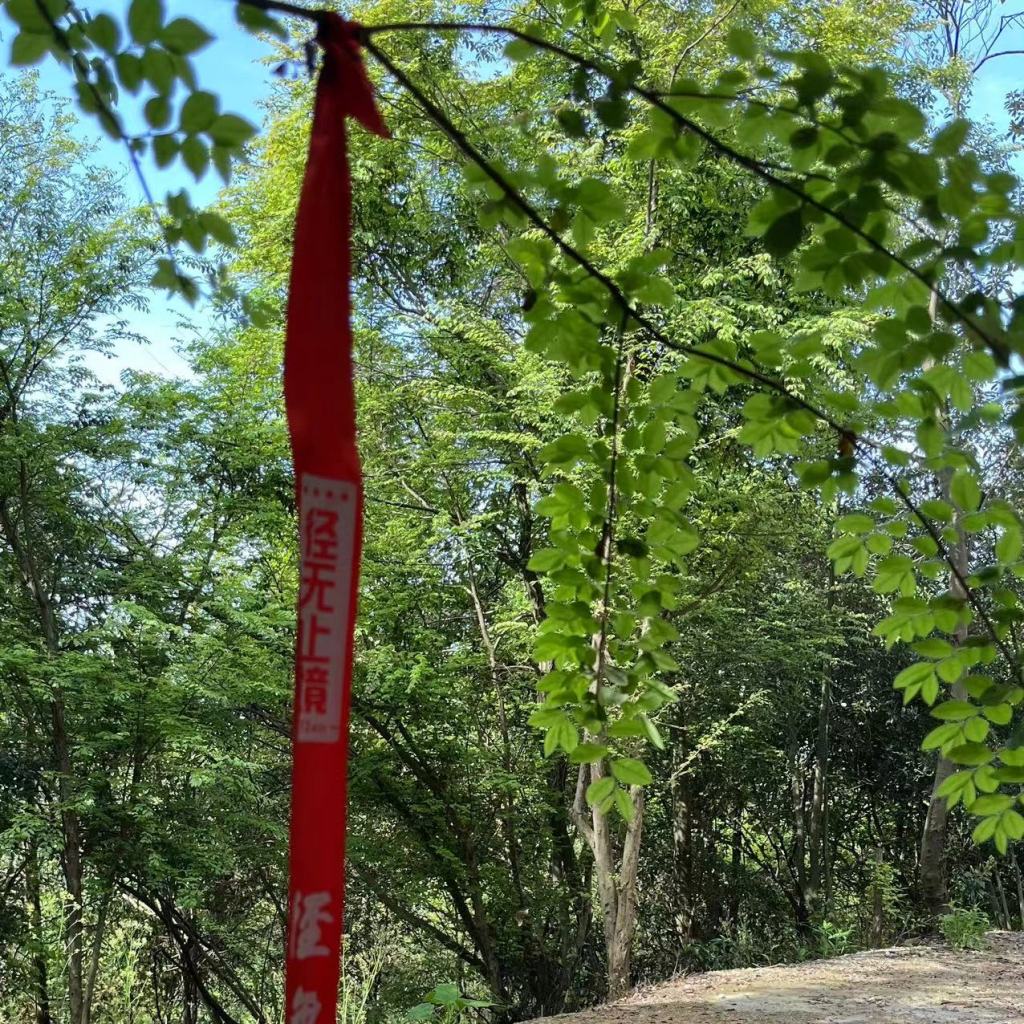
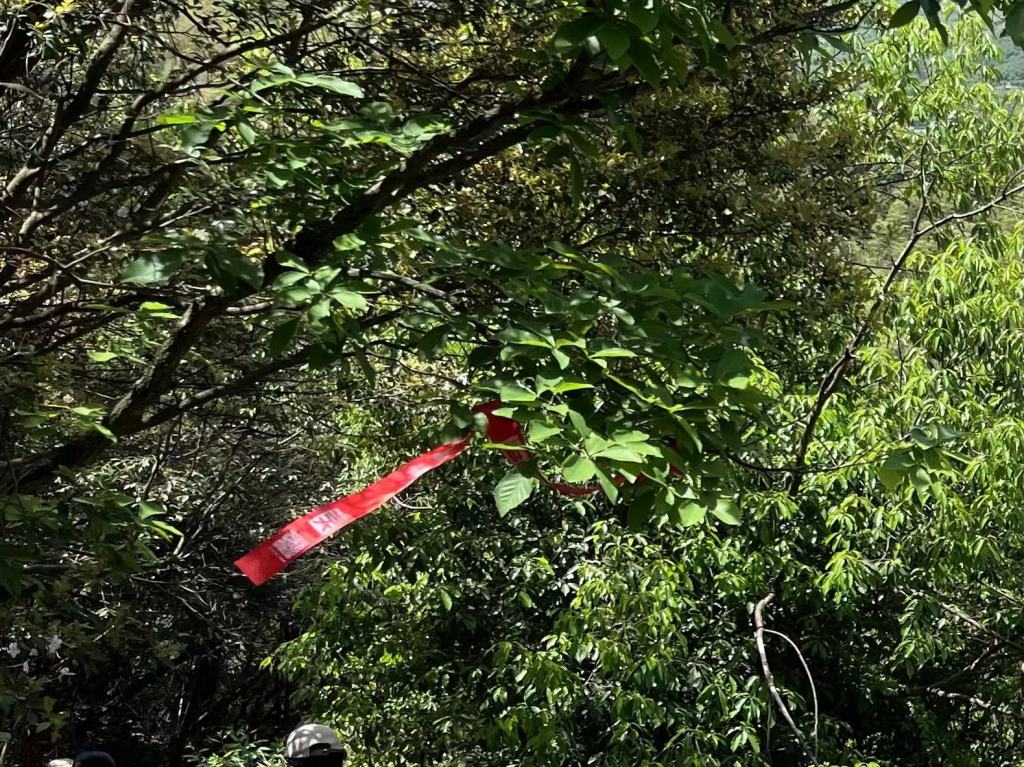
Today we walk again through vast bamboo forests. Along a stream there is an increasing buzz of countless insects, including apparently many wasps. I ask my two walking fellows if they would like to use some of my Anti-Insect Deet. Both say they don’t think it is necessary, one is an experienced and driven nature educator, the other a volunteer during a gap year. Both are focused on something else. In front of us we see colorful pennants hanging from the trees.
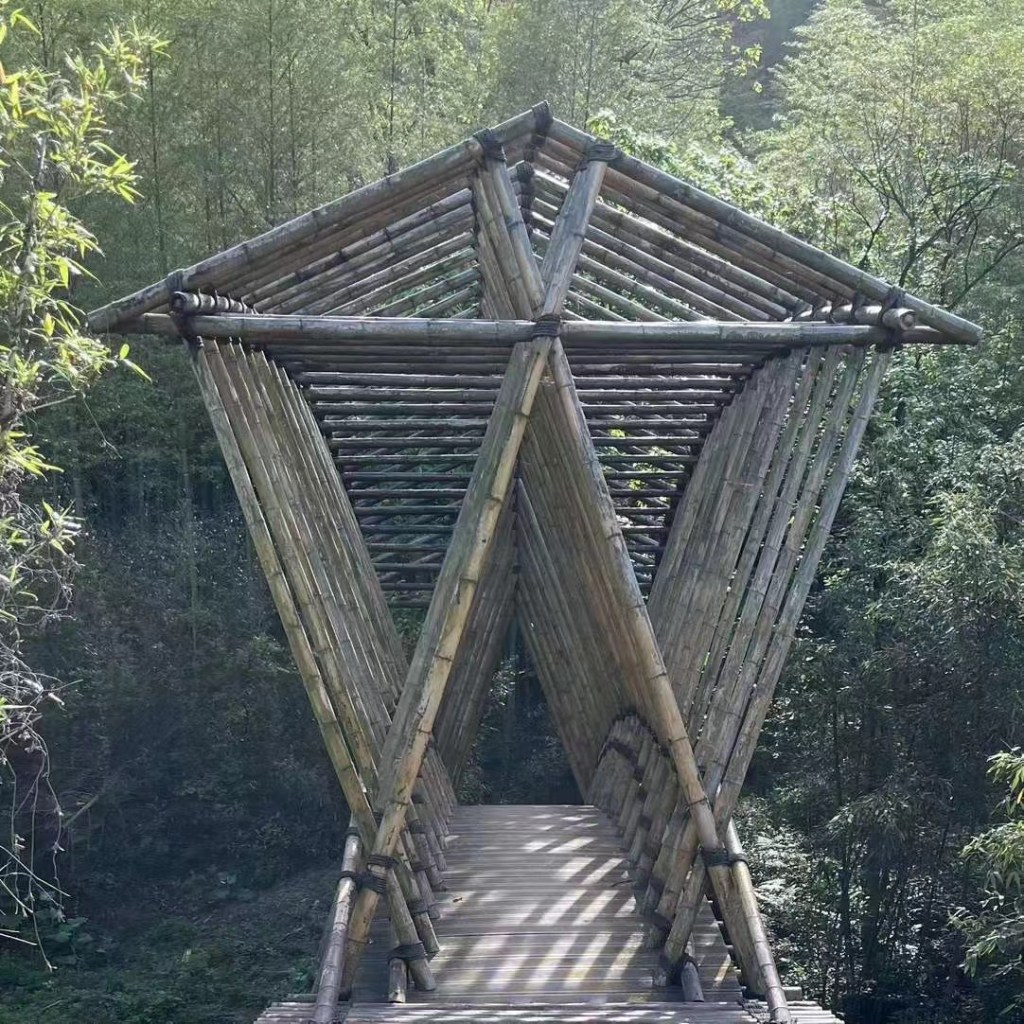
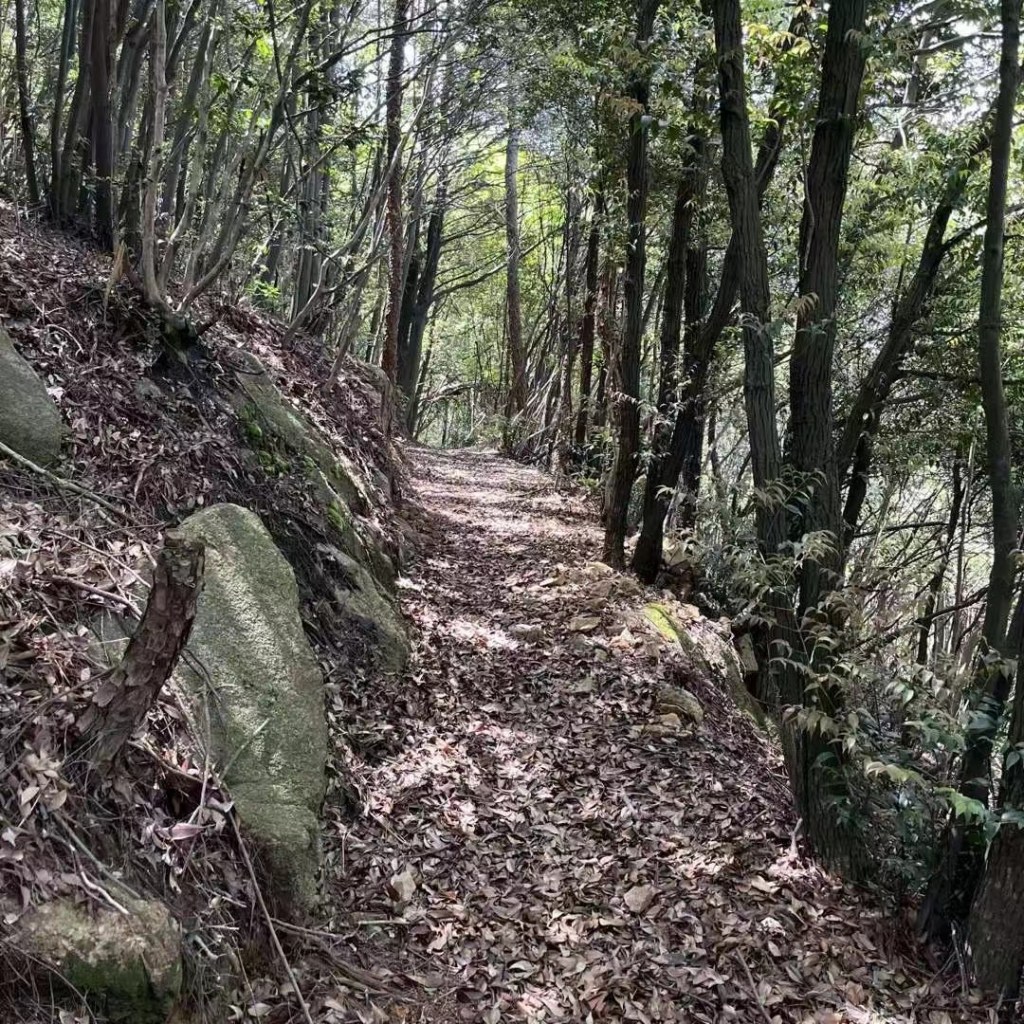
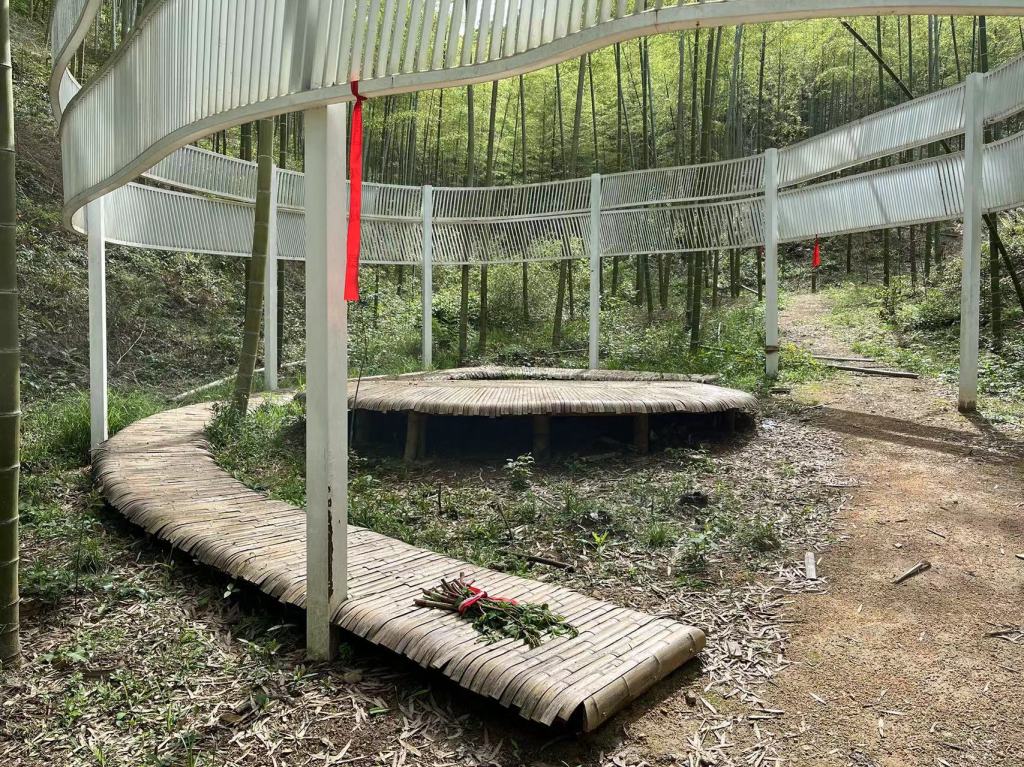
We walk on a twenty kilometer long new walking route, which partly follows age-old farm paths and partly has been newly constructed, with minimal impact on the “natural environment”. This is a production forest, the bamboo was planted a few decades ago on felled natural forest.
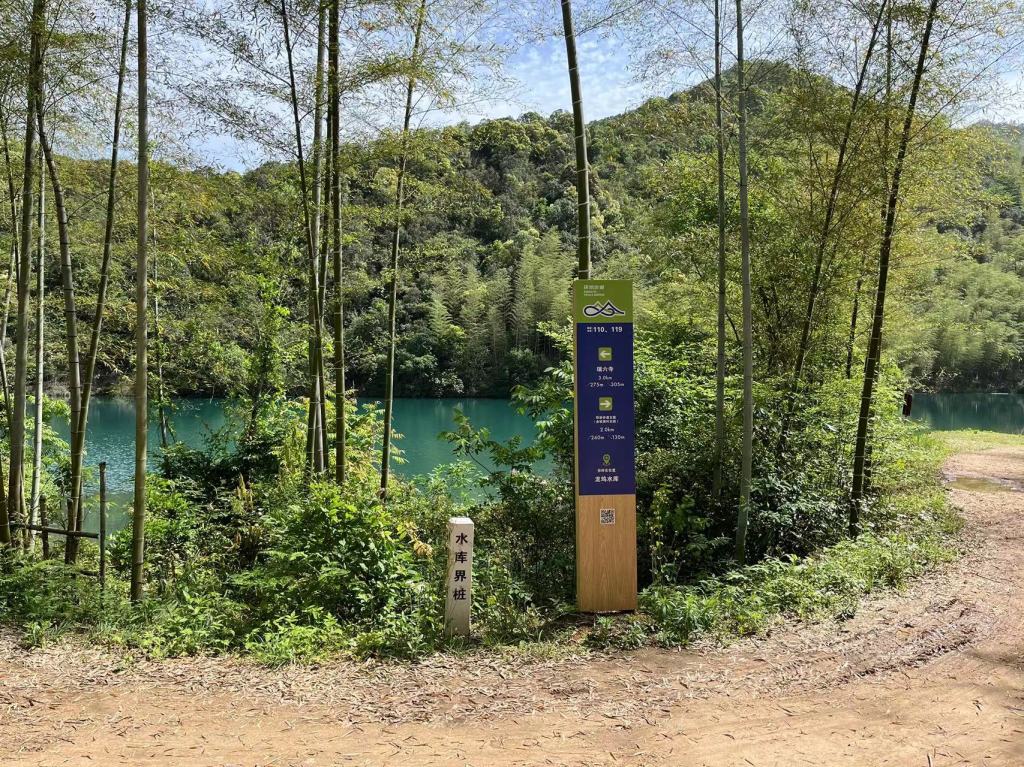
Each pennant has a beautiful saying and QR code. They are by walking groups, usually from nearby cities. Clear markings to indicate that one has been here or to show the way to those left behind. But the route is also easy to follow without pennants: via an app, through clear worn footprints, modestly designed signposts and works of art at intersections.
The countless ribbons are therefore a thorn in the side of the administrators. We’re taking them away, not just because it was Earth Day a few days ago. I help eagerly. These ribbons can provide interesting data for my research, I think, so I save a selection. The walking groups are often young people looking for temporary escapades from the metropolis. There are also team building activities from companies and institutes. I remember participating in such a team building activity half a decade ago, a day on which I walked the full length of a marathon together with three dozen colleagues (from 5 a.m. to 6 p.m.). That was an event.
Following the lockdown experiences, these type of activities appear to be increasing, partly stimulated by the implementation of long-distance walking routes as a rural revitalization strategy to create opportunities for small-scale economic activities with minimal spatial impact.
Walking is an activity that connects people par excellence. I notice it works better in smaller groups, and best with two or three walking fellows. It provides rest and inspiration, it is healthy, and as a researcher it can provide valuable information that cannot be obtained with regular research methods.
2024年8月
今天,我们再次徒步穿越广阔的竹林。沿着小溪,黄蜂的嗡嗡声越来越大。我问我的两个徒步伙伴是否需要我的抗虫避蚊胺。两人都说没有必要,一个是经验丰富、热情的自然教育家,另一个是空档期的志愿者。两人都各忙各事。前面,我们看到很多五颜六色的三角旗悬挂在树上。
我们徒步的新路线长约20公里,这条小道部分沿着数百年历史的农场小道,部分是新建的,对“自然环境”的改变很小。这是一片生产林,几十年前在砍伐的天然林上种植了竹子。
路过的徒步团体会在树上悬挂丝带,横幅上都有一句美丽的谚语和二维码。这些团体大多来自周边城镇。显然是表明来过这里或为路人指明道路留下标记。但是,如果没有这些丝带,通过应用程序,通过清晰的磨损脚印,或者通过路标和十字路口的艺术品,也不易迷路。
因此,太多的丝带成了管理员的眼中钉。我们准备把它们带走。我也热心地帮忙。我想这些丝带可能是有趣的研究数据,就挑了一些。徒步团体通常是年轻人,他们需要短暂逃离大都市。还有来自公司和机构的团建活动。我记得大约七年前,我自己也参加了这样的团建活动,那天我和三十几个同事一起走完了马拉松式的全程(从早上 5 点到下午 6 点)。那是一次令人难忘的活动。
在经历了疫情封锁之后,户外活动似乎正在增加,部分原因是农村振兴政策旨在开展小规模经济活动,并在空间影响最小的情况下促进当地就业。
徒步是一项将人与人联系在一起的活动。我注意到它在较小的团体中效果更好,最好与两三个人一起徒步。它给人以平静、灵感和健康。作为研究人员,它可以提供常规研究方法无法检索的宝贵信息。
 乡村足迹 Rural Footprints