(中文翻译在英文正文之后)
July 2024
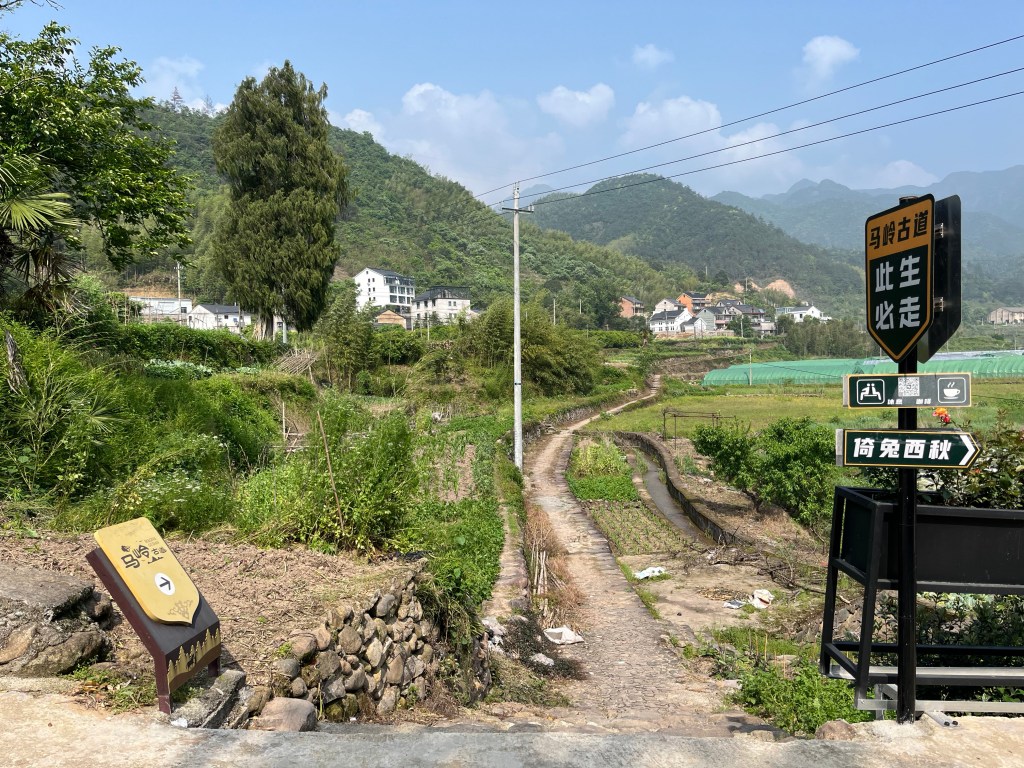
During my walks in the countryside, I have now visited a wide range of rural revitalization projects and initiatives. They vary in nature and scale from new scenic roads (for cars and cyclists) to rediscovered walking paths from the Tang dynasty, and from architect-designed bookstores and bed & breakfasts to citizen initiatives and volunteer work in nature. New infrastructures (including numerous tunnels) ensure that previously inhospitable parts of Zhejiang Province are now relatively easily accessible (from the major cities). Tourism is flourishing. However, new infrastructures can increase urbanization pressure and create new tensions.
On the other hand, there are the promising walking structures that Zhejiang Province is diligently constructing. The most beautiful places can be found along the many hundreds of kilometers of reused and new hiking trails, ranging from farm paths to ancient trade routes through mountains and valleys. Interestingly, these indirectly stimulate small-scale initiatives, created by residents or local partnerships with limited budgets and little to no ecological impact.
The most successful rural revitalization solutions I have seen so far are successful thanks to a long-term approach, dedication and involvement, and close cooperation with local residents. This is in contrast to the often quick ‘hit and run’ approaches with slick architecture that is devised from behind the drawing board in a city (in China or even from abroad), and which in several cases even took place without visiting the site and without talking to local residents.
The countryside is vulnerable and requires tailor-made solutions, even more than in the city. Dedication and perseverance are keys to success. A route needs continuously adjustment and improvement, whether it is a walking route or a rural revitalisation trajectory.
2024年7月
在乡村徒步中,我参观了一系列乡村振兴项目和倡议。 它们的性质和规模各不相同,无论是新的景观道路(供汽车和骑行者使用)或者重新发现的唐代古道,还是建筑师设计的书店和民宿,或公民倡议和大自然志愿者。 新的基础设施(包括众多隧道)确保省级以下的不适宜居住的地区现在可以相对轻松地(从主要城市)到达。 旅游业蓬勃发展。 然而,新的基础设施可能会增加城市化压力并产生新的矛盾。
另一方面,还有浙江省正在大力建设的具有发展前景的徒步设施。 数百公里重建和新建的徒步小道沿途就可以找到最美丽的地方,无论是农场小道还是穿越山脉和山谷的古老贸易路线。 有趣的是,这些由居民或当地合作伙伴发起的非直接的小规模倡议,预算有限,对生态影响甚小甚至没有。
迄今为止,我见过的最成功的乡村振兴解决方案的成功得益于长期的方案、奉献和参与以及与当地居民的密切合作。 这与通常快速的“打了就跑”的做法形成鲜明对比,这种方法是在城市(中国甚至国外)的绘图板后面设计出来的,在一些情况下,甚至在没有访问现场,没有与当地居民交谈的情况下就做了设计方案。
农村是脆弱的,比城市更需要量身定制的解决方案。 奉献和毅力是通向成功的关键。 一条路线,无论是途步路线,还是乡村振兴轨迹,都需要不断调整和完善。
 乡村足迹 Rural Footprints