
(中文翻译在英文正文之后)
May 2024
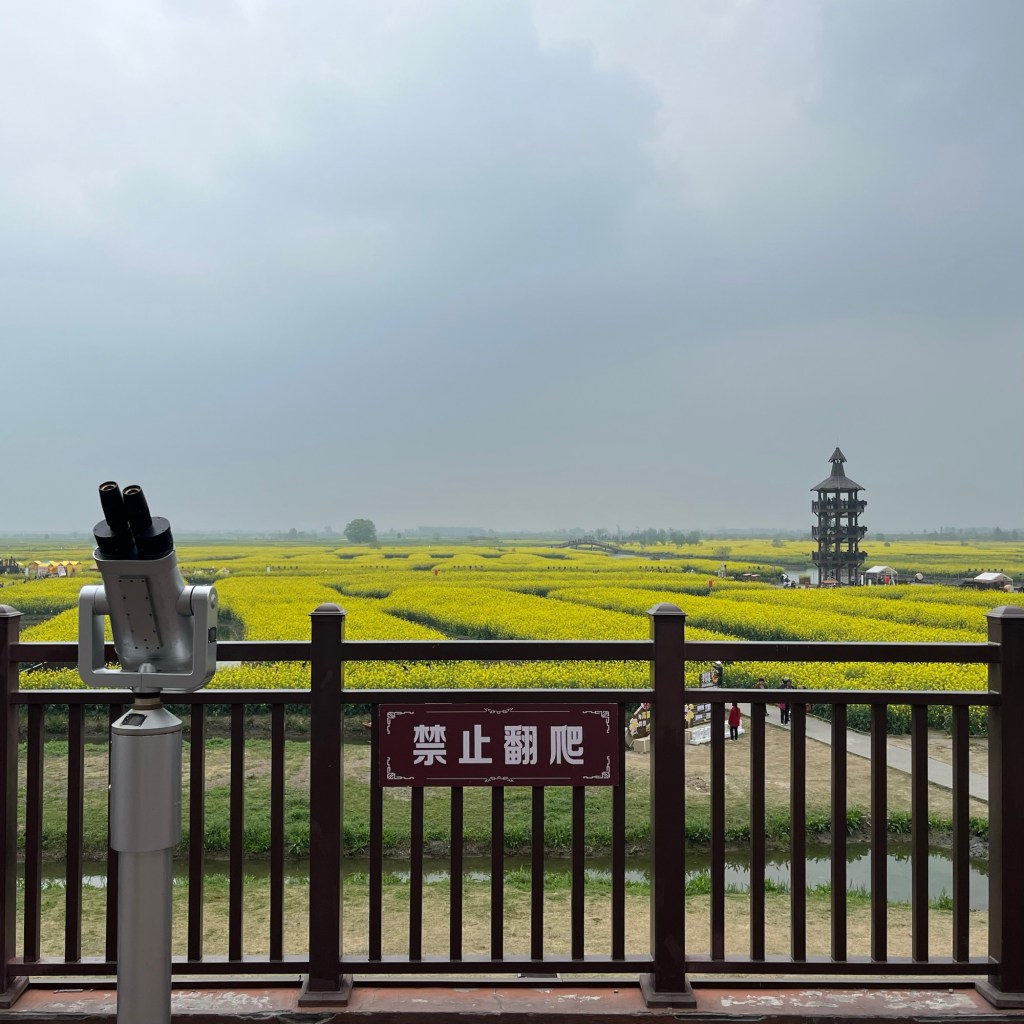
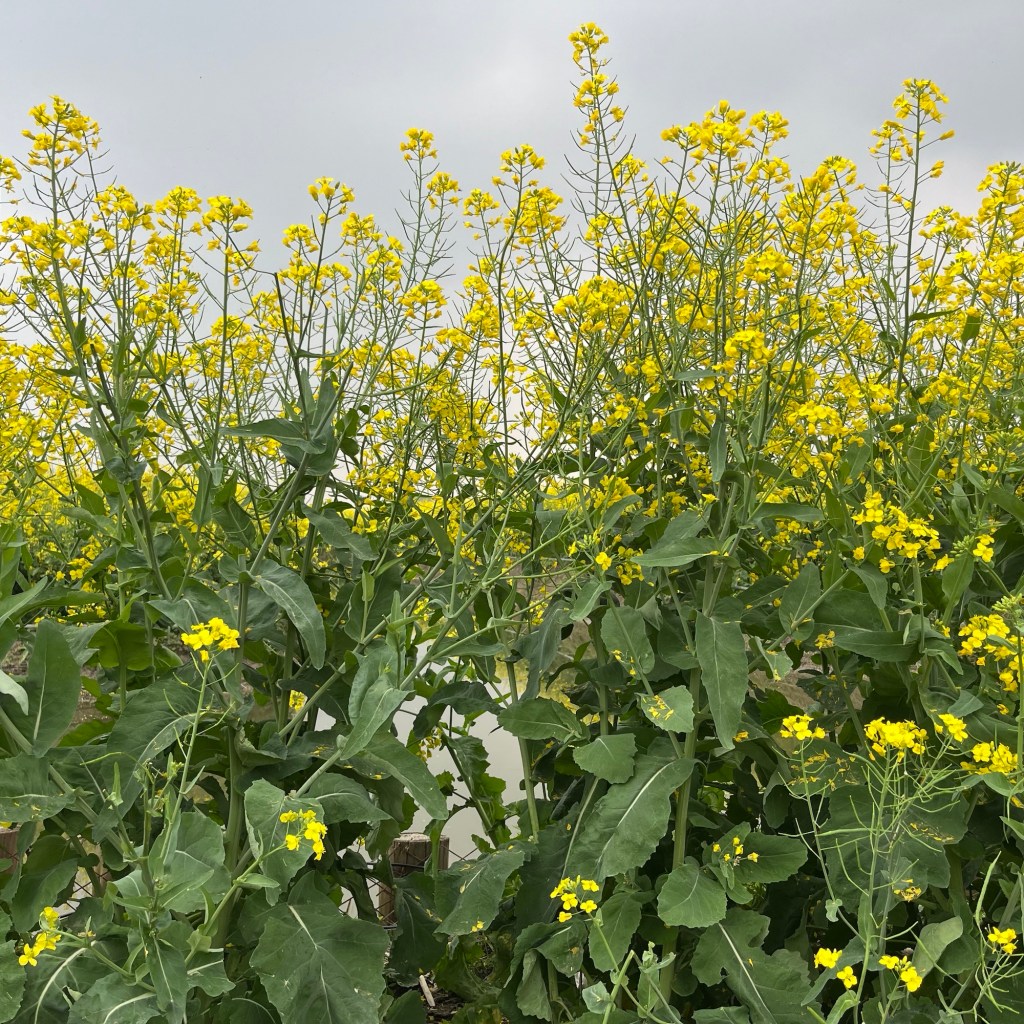
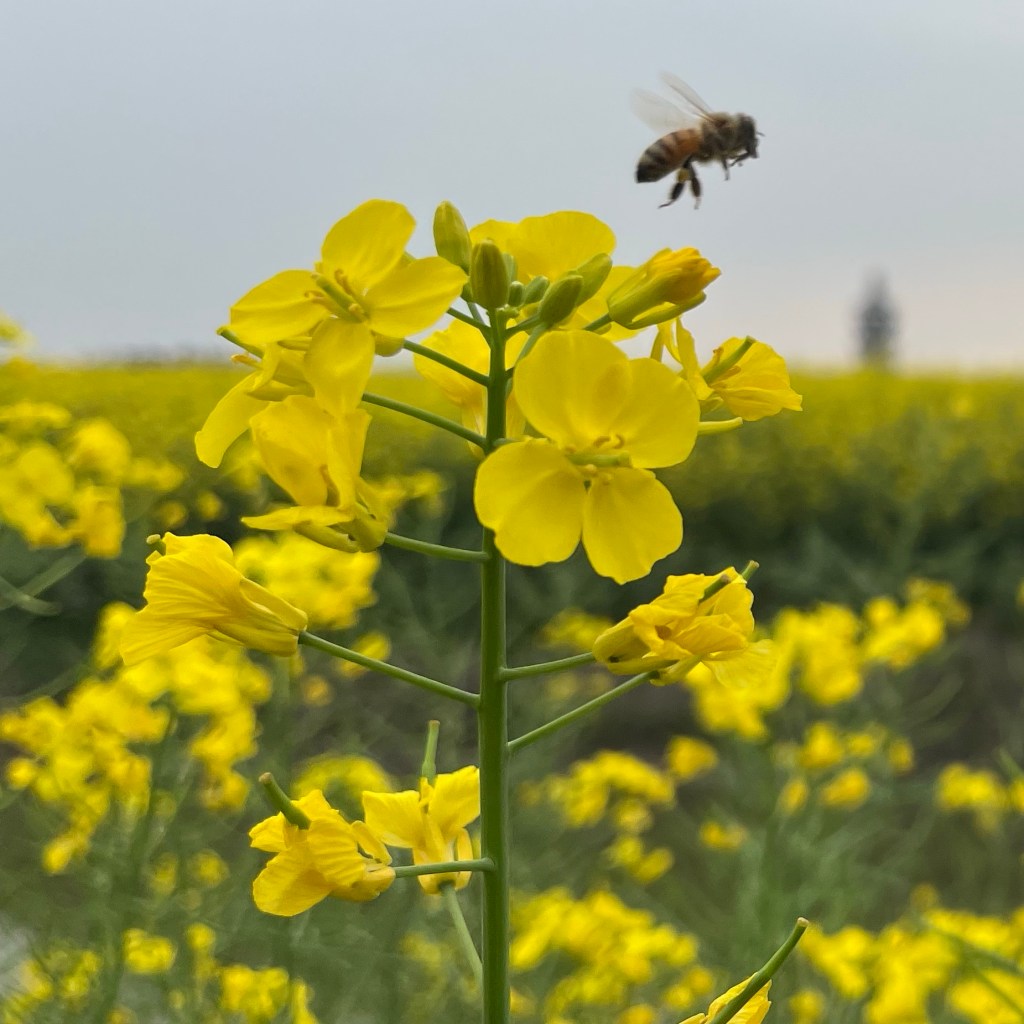
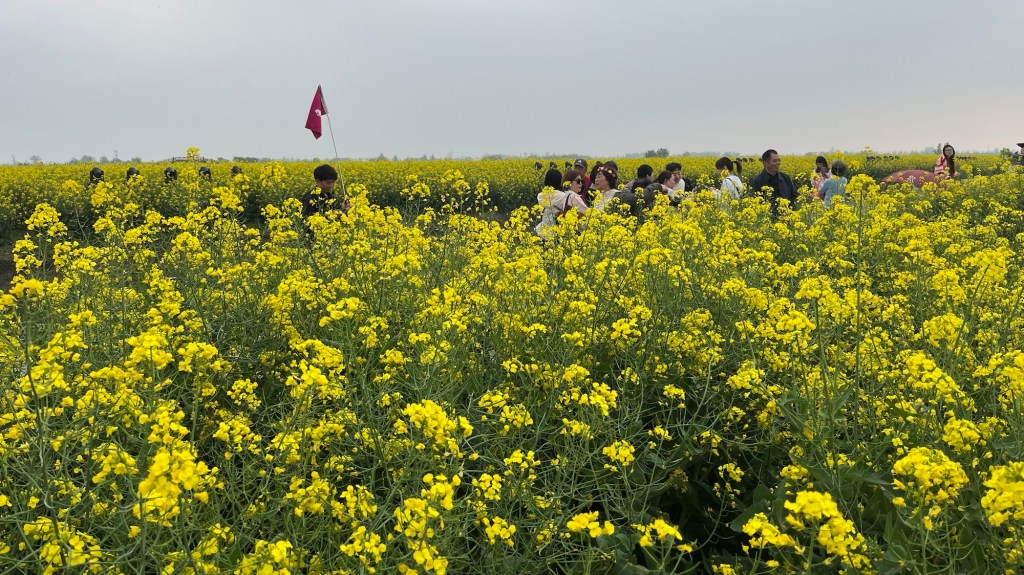
Spring blossom is eagerly used in China to stimulate tourism. We mainly walk in Zhejiang, but Qianduo Scenic Area lured me to Jiangsu Province again, three hours’ travel above Shanghai in Xinghua County. There are no trains in this peripheral part of the province. Nevertheless, the Cole Flower Tourism Season attracts more than 15,000 visitors per day, many from Shanghai. The flowering season lasts only ten days, the days leading up to Qingming. Then the yellow color of the fields disappears, as do visitors with their cameras.
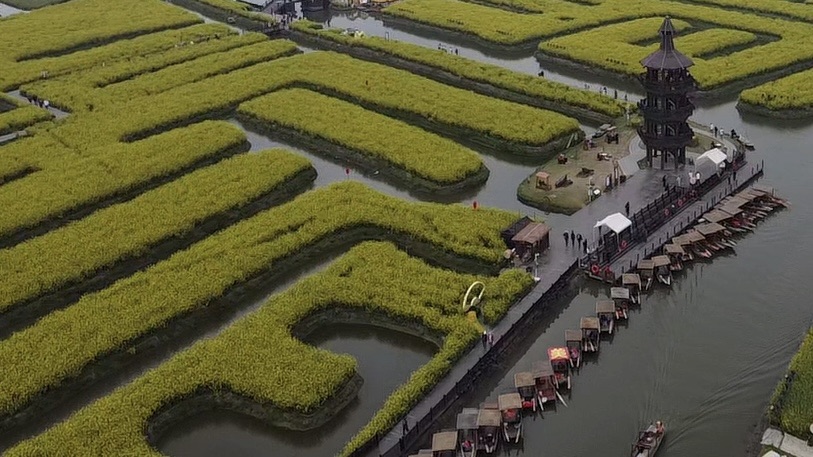
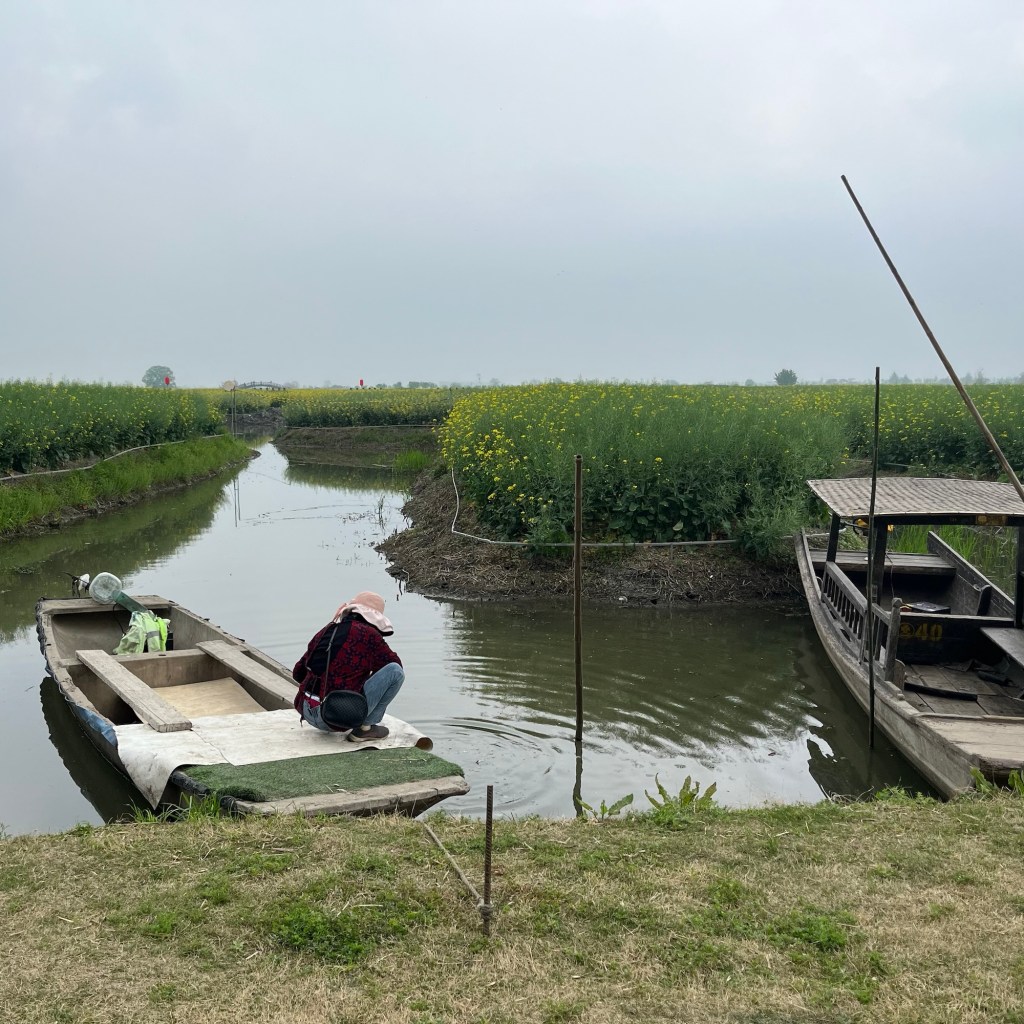
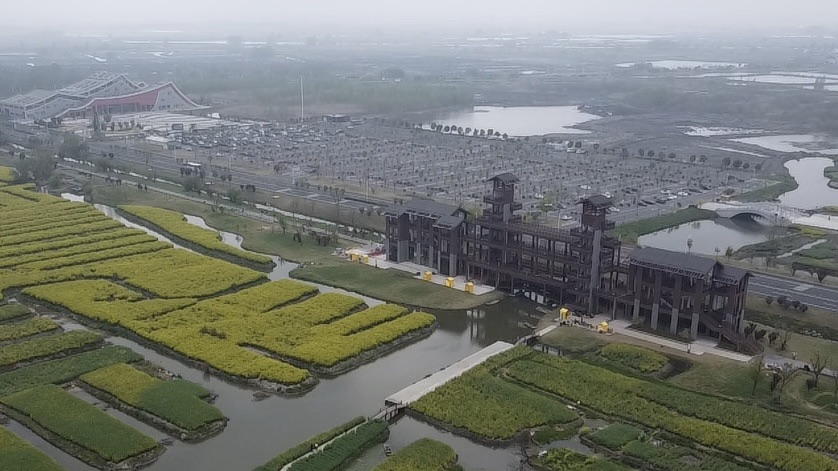
This low-lying area is vulnerable to waterlogging. That is why in the past the land was raised with mud from the waterways: so-called “duotians”. The area is also known as “thousand raised-fields orchard”, seen from above it looks like an archipelago. There are no bridges and transportation is still mainly by water. However, since the beginning of this century, more and more motorways have been built in the region and the travel time from Qianduo to the old town of Xinghua has been reduced from three hours by boat to fifteen minutes by car.
In 2014, Xinghua Duotian Agrosystem was named a Globally Important Agricultural Heritage System, and in 2022, the Xinghua Duotian Irrigation and Drainage System was recognized as a World Heritage Irrigation Structure. One focuses on agriculture, the other on irrigation, but both are intertwined. Their impact on the local economy is significant, though concentrated within March and April, with a peak season of ten days (although the winter landscape seems also beautiful). Dozens of local entrepreneurs temporarily earn something extra with bed and breakfast accommodations and other services. Older farm workers earn something by boating, selling fruit and trinkets. Although local employment is limited, the heritage has brought brand recognition even beyond national borders.
Due to the heritage status, farming is done in a traditional ecological manner. Fortunately, this way the heritage remains intact. But at the same time, enormous investments have been made in oversized road infrastructure and a huge parking space. The actual number of visitors is limited and does not seem to need this infrastructure. Hopefully the overdimensioned parking lot and provincial road can be reduced into a more appropriate solution. How about introducing long-distance boats again, to enhance the poetic content with less spatial impact, and additional low impact walking trails?
2024年5月
在中国,人们热切地利用春花来刺激旅游业。我们现在主要在浙江徒步,但千垛景区又把我吸引到了江苏兴化,离上海3个小时的车程。兴化的外围地区没有火车。尽管如此,油菜花旅游季每天还是吸引了超过1.5万名游客,其中许多来自上海。花季在清明前后只持续十天左右。然后,田野的黄色消失了,带着相机的游客也消失了。
这个低洼地区容易发生内涝。所以过去,水道里的淤泥被挖出来堆起了土地,就是现被称做“垛田”。该地区也被称为“千垛果园”,看起来像一个群岛。这里没有桥梁,交通仍然主要依靠水路。自本世纪初以来,修建了越来越多的公路,从千垛到兴化镇的旅行时间从乘船3小时缩短到开车15分钟。
2014年,兴化垛田农业系统被评为全球重要的农业文化遗产系统; 而且在2022年,兴化垛田灌溉排水系统被认定为灌溉结构世界遗产。一方面侧重于农业,另方面侧重于灌溉,但两者是交织在一起的。它们对当地经济的影响是巨大的,旅游旺季尽管集中在3月和4月,高峰季节仅为10天(尽管冬季景观看起来也很美)。当地小商贩们临时通过农家乐或者集市等服务赚取些额外收入。年纪较大的农场工人靠划船、卖水果和小饰品赚点外快。虽然这些就业机会很有限,但世界遗产带来的品牌认知度甚至超越了国界。
基于世界遗产的原因,这里的油菜花显然更生态,一切都以传统的方式进行。幸运的是,通过这种方式,遗产得以保存。不过超大的道路基础设施和巨大的停车位被巨额投资。希望将停车场和省道的超大尺寸缩小为更合适的解决方案。游客的实际数量是有限的,似乎无法与这些基础设施相匹配。也许可以多考虑长距离的游船,既可以增强诗意又可减少空间影响,还有额外的少空间影响的徒步路线¼¼你觉得呢?

