(中文翻译在英文正文之后)
November 2023
Walking is an elementary way of moving, healthy, and usually without lasting impact on the environment. It leaves no trace, apart from a few footprints that fade quickly. The only energy required is a cheese sandwich and a reusable bottle of water.
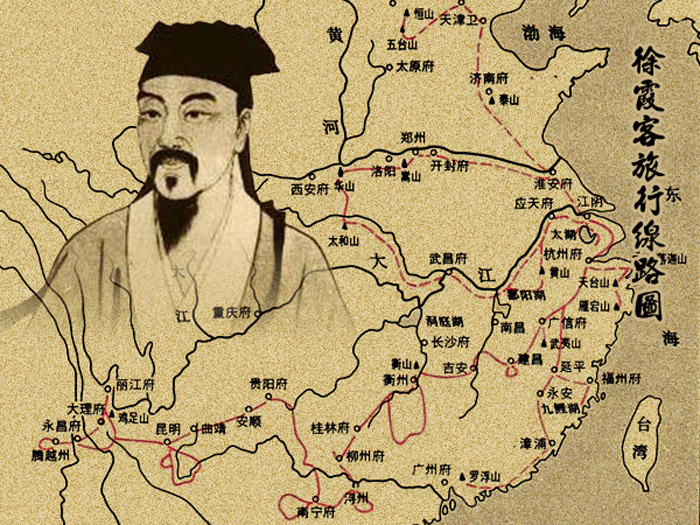
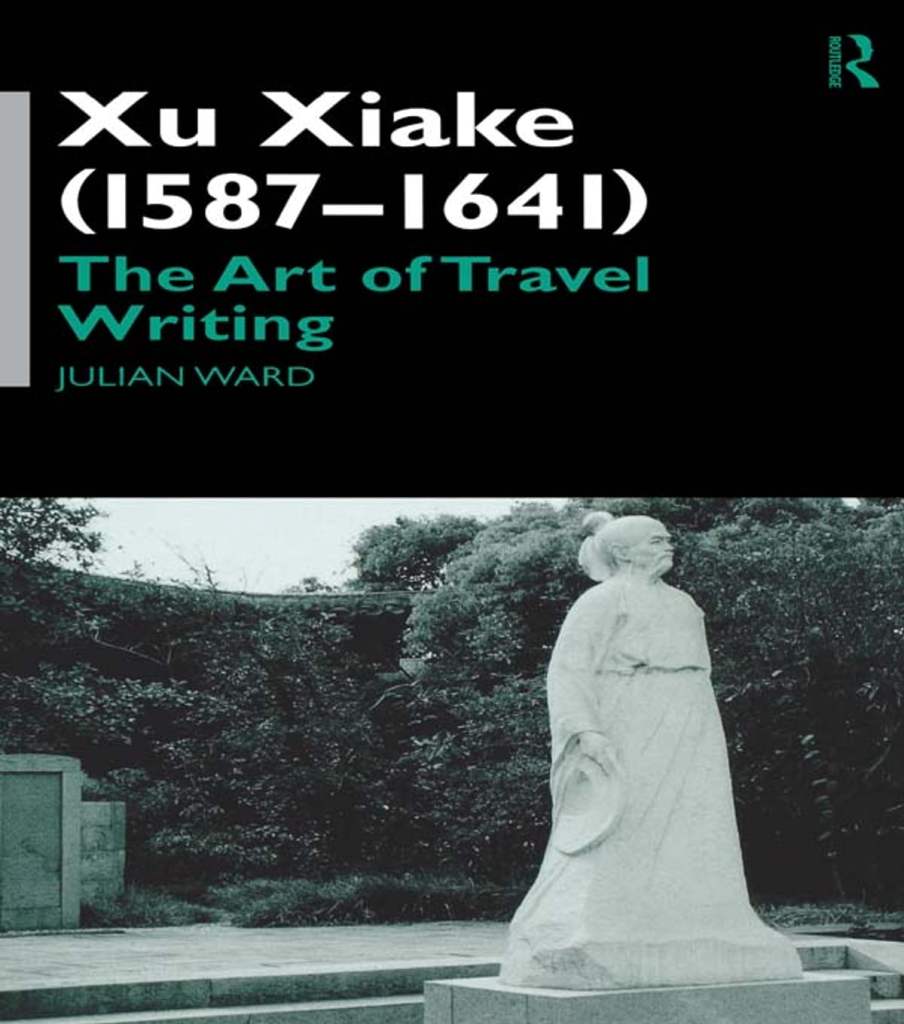
China’s most famous walker is perhaps Xu Xiake (1587–1641). A geographer and travel writer, Xu walked thousands of kilometers over roughly thirty years (the exact distance and duration remain debated). His travel reports—diary-like accounts of landscapes, their emotional impact, and reflections on events along the way—are well known. Writing in the late Ming dynasty, he combined analytical, almost businesslike descriptions with moments of deep personal insight. His collected works reportedly contained nearly two and a half million Chinese characters, though much of his writing has been lost. Born into a wealthy family of scholars, Xu made a name for himself with studies on karst mountains and waterways. He was supported by fellow scientists and monks, yet at heart, he was an adventurer, and in search of meaning.
It is widely believed that Xu’s journeys began near Ninghai. I walked there a few years ago and returned recently. It seems meanhwile a Xu Xiake Adventure Park opened—a development that, according to some critics, would make its namesake turn in his grave. Xu primarily traveled through southwestern China along the old postal roads of the Southern Silk Road. Others have followed his path, though I won’t retrace it literally. Instead, I explore sections of his routes, particularly those incorporated into rural revitalization strategies. In recent years, the cultural and historical value of surviving postal roads—once used for mail, trade, and by artists—has been rediscovered. Several regions are now using these routes to attract attention, not on paper maps, but through digital apps. With minimal landscape interventions that respect the original character of the trails, most of these projects remain understated and authentic. Aside from the aforementioned embarrassing theme park, the changes are generally modest—perhaps a service station with toilet and drinking water, but little else.
Today, Xu Xiake has become a pop-culture celebrity and patron saint of walking. Historical trails and hiking are thriving in China. On my walks, I’ve already met many local hikers who have shared fascinating stories—more on that in the near future.
2023年11月
步行是一种基本的运动方式,健康,通常不会对环境产生持久影响。它没有留下任何痕迹,最多只留下几个脚印,很快就会褪色。唯一需要的能量是一个奶酪三明治和一瓶水,最好用可重复使用的瓶装。
中国最著名的徒步客可能要数徐霞客(1587-1641)。徐,是一位著名的地理学家和旅行作家,他在大约三十年的生命中走了数千公里(确切的距离和持续时间还有待考证)。徐的旅行日记家喻户晓,这些日记讲述了他的乡村风景体验,景观对人的影响,以及旅途中的故事和想法。他采用一种分析性的、几乎是商业性的但有时非常个人化的方式描述了明末时期的特色。他所有的著作加起来差不多有250万个汉字。可惜的是,他的大部分作品都丢失了。徐出生在一个富裕的科学家家庭,以研究喀斯特山脉和水道而闻名于科学界。在途步过程中,他得到了其他科学家和僧侣的支持。徐霞客是第一个也是最著名的有追求的冒险家。
人们普遍认为徐的途步是从宁海附近开始的。我几年前在此徒步过,也许很快会再来徒步。徐霞客冒险乐园好像最近在这里开张了。根据一些评论家的看法,这种过度行为不利于名人效应。徐主要途经中国西南部,即所谓的南丝绸之路,这是一条古老的邮路系统路线。很多人已经追寻他的徒步路线,但我不想刻意遵循,其实他的路线与乡村振兴相关的部分确实让我感兴趣。最近,用于邮件和货物运输以及艺术家使用的既存邮政路线的历史文化重要性被重新评估。在一些应急情况下,这些老路线让部分区域重新显示在地图上。这里指的不是纸质地图,而是信息丰富的数字应用程序。这种极简主义景观处理尽可能尊重路线和景观的原始特征。在大多数情况下,这些处理措施都是严肃和纯粹的,除了上述令人尴尬的主题公园。因此非常有吸引力,只显示一些必需品,比如厕所或饮水处,其他什么都没有。
时至今日,徐霞客已成为流行文化的代言人和守护神。历史古道和徒步活动在中国非常活跃。在我途步的过程中,我遇到了许多当地的步行者,他们分享了各种有趣的故事,期待未来还会有更多的故事。
 乡村足迹 Rural Footprints